
Acne skin and causes of sensitive skin acne
Acne affects millions of people worldwide, regardless of age or gender. Understanding the causes of skin lesions and appropriate acne care are key to achieving healthy, radiant skin. This is especially important for sensitive skin, which requires a gentle, thoughtful approach. In this article, we'll provide comprehensive information about acne, its causes, and effective methods for combating imperfections, helping you regain your confidence and skin's comfort.
What are the characteristics of acne skin and why does it occur?
Modern dermatology is increasingly understanding the mechanisms responsible for acne. Acne is characterized by excessive sebum production, clogged pores, and inflammation, which leads to the formation of pimples, blackheads, and papules. This problem is often associated with skin sensitivity, making choosing the right cosmetics a real challenge. Acne can occur in varying degrees of severity—from mild, with isolated lesions, to severe, with numerous inflammations and the risk of scarring.
The main characteristics of acne skin include:
- Excessive sebum production – skin is shiny, especially in the T-zone (forehead, nose, chin)
- Blocked pores – visible open (black) and closed (white) comedones
- Inflammation – red, painful spots and lumps under the skin
- Enlarged pores – especially noticeable on the nose and cheeks
- Uneven texture – presence of acne scars and discoloration
- Reactivity – the skin reacts easily to cosmetics and external factors
Knowing what acne is allows for more effective preventative and treatment measures. Typical symptoms include not only visible changes but also a feeling of discomfort, skin tightness, and pain in the areas of inflammation.

Causes of Acne: A Comprehensive Look at the Problem
The causes of acne are complex and multifactorial. The underlying cause is excessive sebaceous gland activity, which leads to increased sebum production. This natural sebum, which in the right amounts protects the skin, clogs pores in excess, creating an ideal environment for the growth of the bacteria Cutibacterium acnes. At the same time, inflammatory processes occur, leading to the development of characteristic skin lesions. Hormonal factors play a key role, which is why acne often flares up during puberty, before menstruation, and during pregnancy.
The most important causes of acne include:
- Hormonal factors – excess androgens stimulate the sebaceous glands to overproduce sebum
- Genetic predisposition – if your parents had acne, the risk of its appearance increases by 50-70%
- Chronic stress – increased cortisol levels stimulate the sebaceous glands
- Improper diet – highly processed products, simple sugars and dairy products can increase inflammation
- Inappropriate care – too aggressive cleansing or using comedogenic cosmetics
- Medications – some medications (steroids, antiepileptic drugs) may cause drug-induced acne
Genetics also significantly influences susceptibility to acne. Improper skincare, the use of comedogenic cosmetics, and overly aggressive cleansing are other factors that can worsen acne.
Sensitive skin with acne: a double skincare challenge
Sensitive skin is a skin type characterized by hyperreactivity to various stimuli—cosmetics, temperature changes, stress, and environmental pollutants. When combined with acne, it creates a particularly challenging situation. Sensitive skin with acne requires products that will combat imperfections without irritating or drying the epidermis. Many traditional anti-acne products contain harsh ingredients that can worsen the condition of sensitive skin and further exacerbate the causes of acne by overly disrupting the skin's protective barrier.
People with sensitive skin and acne must be especially careful when choosing cosmetics. Avoid products with alcohol, artificial colors, strong fragrances, and excessively high acid concentrations. Instead, opt for products with mild anti-inflammatory ingredients, such as niacinamide, panthenol, or green tea extract. Gentleness when applying cosmetics is also crucial – sensitive skin cannot tolerate intense massaging or rubbing, which can lead to micro-damage and worsening inflammation.
Effective acne skin care step by step
The foundation of acne skin care is proper cleansing. It should be thorough but gentle – aggressive scrubbing or using overly strong detergents can exacerbate the problem. Gels or foams with a pH close to the skin's (around 5.5) and containing gentle plant-based cleansers work best. Cleansing should be performed twice daily – morning and evening, using lukewarm water. After cleansing, it's recommended to use an alcohol-free toner, which will restore the skin's pH and prepare it for further care.
The next step is to apply a serum or cream with active anti-acne ingredients. The most effective include:
- Salicylic acid – dissolves blackheads and cleanses pores from the inside
- Niacinamide – regulates sebum secretion and reduces inflammation
- Azelaic acid – has antibacterial properties and brightens discolorations
- Retinol – accelerates cell renewal and prevents pores from clogging
- Benzoyl peroxide – eliminates bacteria responsible for acne
It's important to gradually introduce new ingredients and observe your skin's reaction. For sensitive skin, it's best to start with a low concentration and use the products every other day, gradually increasing the frequency.

Cosmetic products for sensitive skin with acne
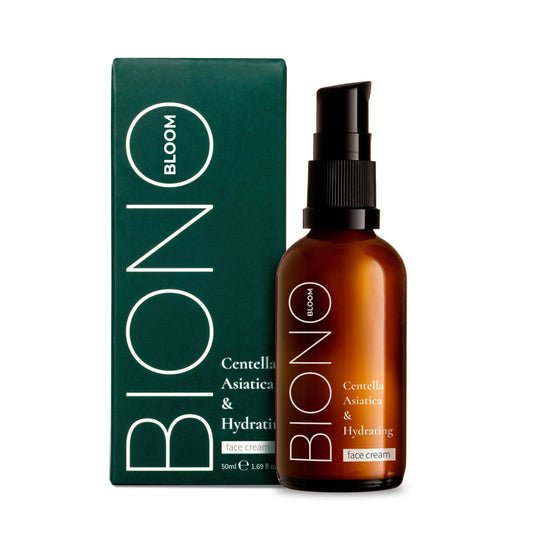
Choosing the right cosmetics for sensitive skin with acne requires special attention and knowledge of ingredients. Products should combine effectiveness in combating imperfections with gentleness for reactive skin. A foundation is a cleansing gel or foam without SLS and SLES, which can excessively dry and irritate the skin. Products with mandelic acid are a good option, as it is gentler than salicylic acid but equally effective in cleansing pores. Moisturizers should have a light, non-occlusive formula – gel-creams or emulsions with a water-gel texture are ideal, as they absorb quickly and don't weigh down the skin. Calming ingredients like bisabolol, allantoin, chamomile extract, or centella asiatica help soothe irritation and support epidermal regeneration without the risk of clogging pores.
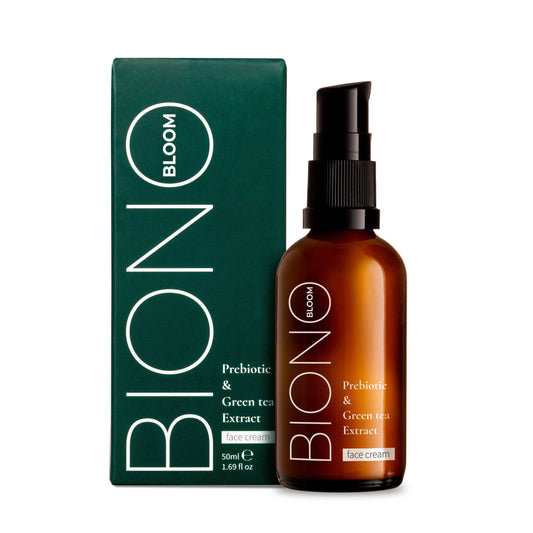
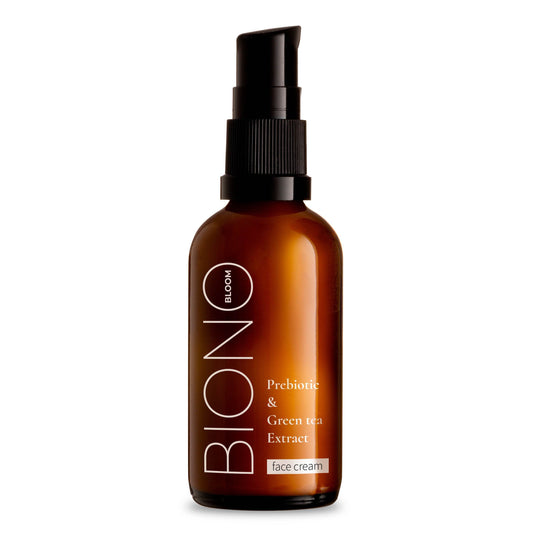
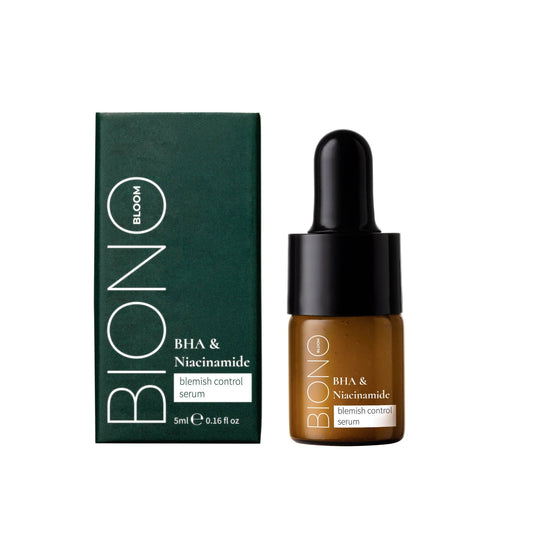
Serums for sensitive skin with acne can contain a variety of active ingredients tailored to specific needs. Niacinamide at a concentration of 5-10% regulates sebum production, reduces the appearance of pores, and has anti-inflammatory properties without drying out the skin. Azelaic acid is particularly recommended for sensitive skin, combining antibacterial and brightening properties without causing excessive irritation. Panthenol, also known as provitamin B5, provides excellent hydration and promotes the healing of lesions, which is crucial for active acne. Green tea extract has antioxidant and soothing properties, protecting the skin from free radicals. Ceramides rebuild the skin's protective barrier, which is often weakened by both acne and improper skincare. Hyaluronic acid in various molecular weights provides multi-level hydration without weighing it down. When choosing products, it is worth paying attention to the "non-comedogenic", "hypoallergenic" and "fragrance-free" markings, which guarantee greater safety of use for sensitive skin with acne.
The most common mistakes in the care of sensitive skin with acne
One of the most common mistakes is over-cleansing the skin, believing that more frequent washing will help get rid of acne. However, over-cleansing leads to a disruption of the epidermal lipid barrier, which paradoxically increases sebum production and intensifies inflammation. Sensitive skin is particularly susceptible to this type of treatment, becoming even more reactive and prone to irritation. Another common mistake is using multiple active ingredients at high concentrations simultaneously, which can further aggravate acne by over-irritating the skin.
Squeezing pimples is an absolutely unacceptable practice when it comes to acne skin care. It leads to:
- Transferring bacteria to other areas of the face and spreading the infection
- Deepening inflammation and the formation of painful lumps
- Formation of permanent scars and post-inflammatory discoloration
- Tissue damage and skin structure disruptions
- Prolonged healing time and risk of recurring lesions
People with sensitive skin are particularly susceptible to post-inflammatory hyperpigmentation, which can persist for many months. Another mistake is completely abandoning moisturizing, believing that acne-prone skin doesn't need additional hydration.

Professional help in treating acne skin
For severe acne, it's worth consulting a dermatologist, who will assess your skin condition and recommend appropriate treatment. A dermatologist may prescribe prescription retinoids, topical or oral antibiotics, and, for women, oral contraceptives with antiandrogenic properties. Systemic isotretinoin therapies are also available for those with severe acne. These require close medical supervision but often yield spectacular results in eliminating the causes of acne at the hormonal and cellular levels.
In-office cosmetic treatments can also support the treatment of sensitive skin with acne. Effective treatments include manual cleansing by a cosmetologist, chemical peels with salicylic or mandelic acid, LED therapy, microdermabrasion, and microneedle mesotherapy. It's important that treatments are tailored to individual needs and the severity of the problem. Sensitive skin requires special caution and the selection of gentle methods that won't further damage the epidermal barrier.
Natural support in the fight against acne
Natural ingredients can be an excellent complement to acne skin care, especially for sensitive skin. Tea tree oil has strong antibacterial and anti-inflammatory properties, effectively eliminating the bacteria responsible for acne. Green tea extract has antioxidant and soothing properties, reducing inflammation without irritating. Aloe vera has regenerative and moisturizing properties, supporting the healing of lesions and soothing irritation. Manuka honey naturally fights bacteria and supports skin repair processes while moisturizing and nourishing the epidermis.
Clay, especially kaolin and bentonite, helps control sebum production and cleanses pores without excessive drying. Low-molecular-weight hyaluronic acid provides adequate hydration without weighing down acne-prone skin. Jojoba oil, which is closest to human sebum, helps balance sebum production and doesn't clog pores. Centella asiatica extract supports the regeneration and healing of damaged skin while soothing inflammation. When choosing natural ingredients for sensitive skin, always conduct an allergy test on a small patch of skin to avoid adverse reactions and aggravating existing problems.
Comprehensive care for healthy skin
Effectively combating acne requires a comprehensive approach that combines proper external care with attention to internal health. Understanding the causes of acne allows you to make informed decisions about your lifestyle, diet, and cosmetic choices. Acne skin isn't a death sentence—with the right approach, you can achieve significant improvement and regain comfortable, healthy skin. The key is patience, consistency, and adapting your skincare routine to your individual skin needs, taking into account its sensitivity and reactivity.
People with sensitive skin should remember to be gentle and avoid harsh ingredients that can worsen the condition of the epidermis. Regular skincare with gentle yet effective products, a healthy diet, adequate sleep, and stress reduction are the foundations of beautiful skin. Don't be afraid to seek professional help – modern dermatology and cosmetology offer a range of effective solutions that will help restore skin's balance and natural radiance, eliminating both the symptoms and causes of acne.