
Facial cosmetics
-
Enzymatic face powder with vitamin C
Vendor:BIONO BLOOMRegular price From 4,00 zł PLNRegular priceUnit price per -
CARBOXY CO² Set (set for 4 treatments)
Vendor:BIONO BLOOMRegular price 99,00 zł PLNRegular priceUnit price per -
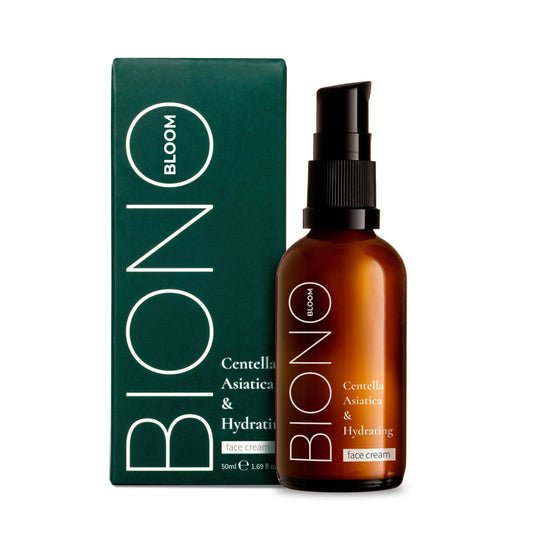
Moisturizing face cream with centella
Vendor:BIONO BLOOMRegular price 35,00 zł PLNRegular priceUnit price per -
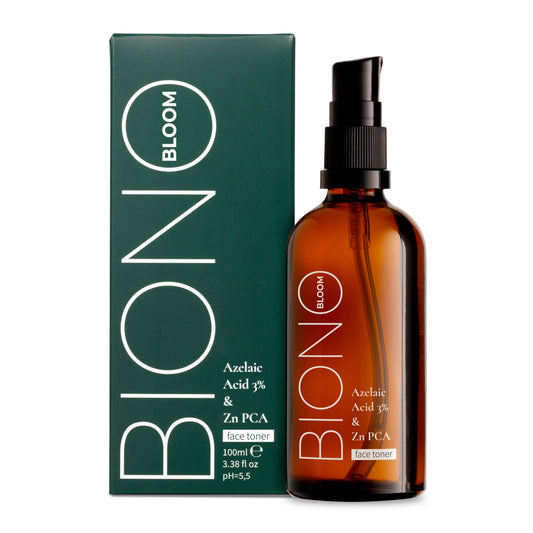
Facial toner with azelaic acid 3% "Anti-Pollution"
Vendor:BIONO BLOOMRegular price From 17,50 zł PLNRegular priceUnit price per -
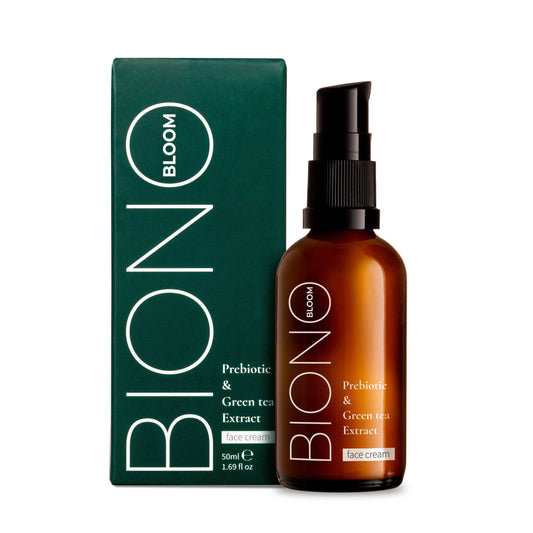
Anti-acne face cream with prebiotics and green tea extract
Vendor:BIONO BLOOMRegular price 39,00 zł PLNRegular priceUnit price per -
 Sold out
CARBOXY CO² Biono Bloom Kit
Vendor:BIONO BLOOMRegular price 35,00 zł PLNRegular priceUnit price per -
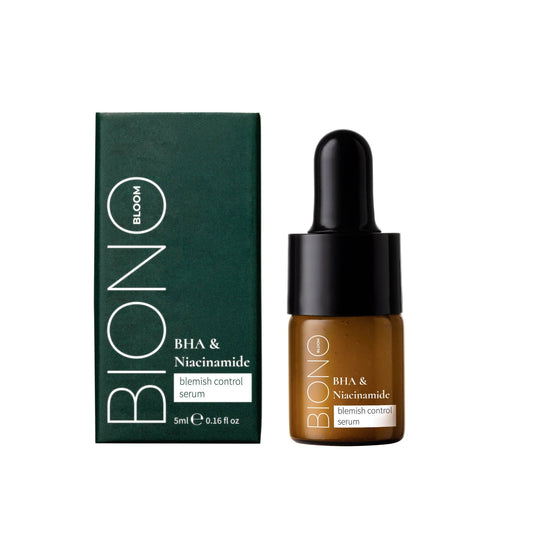
Blemish Control Serum with Salicylic Acid and Niacinamide
Vendor:BIONO BLOOMRegular price 21,00 zł PLNRegular priceUnit price per -
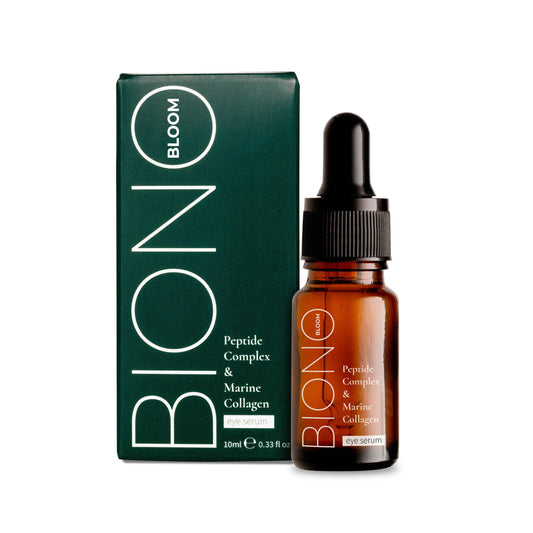
Eye and eyelid skin serum "Peptide Complex and Marine Collagen"
Vendor:BIONO BLOOMRegular price From 22,00 zł PLNRegular priceUnit price per -
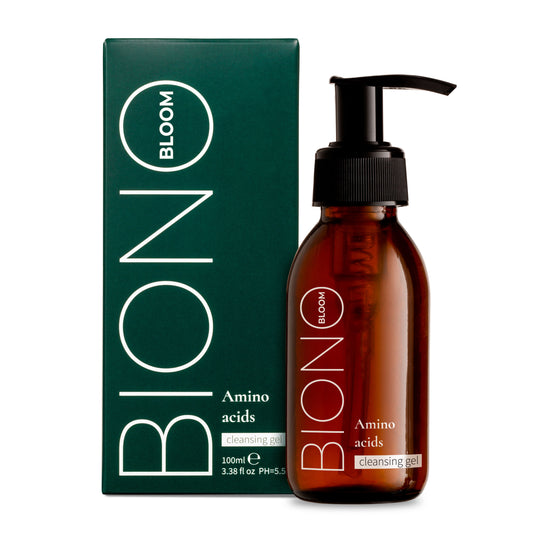
Cleansing Washing Gel with Amino Acids
Vendor:BIONO BLOOMRegular price 40,00 zł PLNRegular priceUnit price per



Cosmetics and home fragrances store in Warsaw, Poznań, Wrocław, Kraków, Gdańsk, Gdynia, and Sopot. Convenient online shopping with fast delivery straight to your door.
Questions and Answers
How to build an effective skincare routine and in what order should you use facial cosmetics?
Building an effective skincare routine is the foundation of healthy, beautiful skin, but it requires understanding the principle of layering products. The basic rule is: from the lightest, most watery consistency to the heaviest, most oily, and from the smallest molecules to the largest. The correct order is: cleansing (hydrophilic oil, gel, or foam), toner, essence (optional), serum, eye cream, facial cream or emulsion, and finally, oil or balm (if needed). In the morning, the final step is absolutely essential – a cream with at least SPF 30, which protects against photoaging and hyperpigmentation. This structure is not accidental – each product prepares the skin to better absorb the next and serves its own unique function.
Your evening routine can be richer and more intense, as the skin doesn't have to defend itself against external factors and can focus on regeneration. After removing makeup and cleansing, it's worth using an exfoliating toner with acids (2-3 times a week), then a serum with regenerating ingredients like retinoids or peptides, an eye cream, and finally a richer night cream. If you use masks, they should be applied after cleansing and toner, and before serums – leave cloth masks on for 15-20 minutes, while gel or cream masks can be left on longer or even overnight. Not all products are necessary at once – a minimalist routine for young skin is: cleansing, moisturizing, and SPF in the morning. As you age and as problems arise, add additional steps gradually, observing your skin's reaction. Remember that more isn't always better – overworked skin can react with irritation and breakouts.
How long can you use facial cosmetics and how can you store them properly?
The shelf life of facial cosmetics is not only a matter of the expiration date, but primarily of the PAO (Period After Opening) symbol – a small icon on the jar with a number that indicates how many months the product is safe after opening. Most creams and serums have a PAO of 6-12 months, toners and essences 6-8 months, and products with SPF retain their full effectiveness for 12 months after opening. Cosmetics with vitamin C, retinoids, or natural ingredients without preservatives often have a shorter shelf life of 3-6 months. After the PAO expires, products don't immediately become harmful, but they lose effectiveness, change consistency, scent, or color, and in the worst-case scenario, they can support the growth of bacteria and yeasts that cause skin irritation and infections.
Proper storage significantly extends the life of cosmetics and preserves their properties. Most products should be kept in a cool, dry place, away from direct sunlight and heat sources – a steamy bathroom is not ideal. Cosmetics containing vitamin C, retinoids, or natural oils should be stored in the refrigerator at 4-8°C, which slows down their oxidation and degradation. Always close products tightly after use and never dip your fingers directly into the jars – use a spatula or dispenser. Products in airless packaging (with a vacuum pump) are more stable because they minimize contact with air and bacteria. If a cosmetic has changed scent (has become rancid), consistency (has separated, thickened), or color (has turned yellow, darkened), do not use it, even if the expiration date has not yet passed. Regularly check your makeup bag and throw away expired products – it's better to invest in fresh ones than risk skin irritation or infection.
Are expensive facial cosmetics better than cheaper ones and how to invest in skincare wisely?
The relationship between price and quality of facial cosmetics is much more complex than it might seem. A high price often reflects marketing costs, luxurious packaging, brand prestige, exclusive distribution, and celebrity endorsements, rather than the actual value of the ingredients. Comparative studies show that many pharmacy and dermocosmetic products contain identical or even better-formulated active ingredients than their pricey perfumery counterparts. The key lies in the concentration of effective ingredients and their form – retinol at a 0.5% concentration in an 80 PLN cream will work better than a token amount in a 600 PLN product. Brand transparency, published efficacy studies, and the disclosure of key ingredient concentrations are a much better indicator of quality than price and advertising promises.
Wise skincare investment involves prioritizing products based on their impact on the skin. Spend the largest budget on SPF and serums with active ingredients – these are products that truly transform skin condition and protect against aging. Serums with retinol, vitamin C, or peptides are worth buying in the mid- to high-end price range, where you're guaranteed the appropriate concentration and stability of the ingredients. You can spend less on moisturizers and cleansers – simple, effective pharmacy formulas often work just as well as pricey alternatives. Treat luxury products as a pleasure, not a necessity – their multi-tasking, exotic ingredients rarely work better than proven substances with scientifically proven effectiveness. Invest in a consultation with a dermatologist or qualified cosmetologist – 200 złoty spent on a professional skin assessment and product recommendations will save you thousands on ill-fated purchases. Read the ingredients (INCI), look for independent reviews, use samples before purchasing a full-size product, and remember that the most expensive cream won't work if it's not tailored to your needs.
Can you combine facial cosmetics from different brands and which ingredients should not be used together?
Mixing cosmetics from different brands in a single routine is not only possible but often recommended for optimal results – no one brand is the best at everything. One manufacturer might have an exceptional vitamin C serum, another a perfect moisturizer, and yet another has the most effective SPF. The key is not brand loyalty, but choosing the best products for your specific skin needs. Skin doesn't recognize brands – it reacts to ingredients and their concentrations. However, it's worth maintaining some consistency in your skincare approach – if you're using an active, exfoliating routine with acids and retinoids, make sure your moisturizers are soothing and regenerating to balance potential irritation.
Much more important than brand names is understanding which active ingredients work together and which can neutralize each other or cause irritation. Safe combinations include: vitamin C in the morning + retinol in the evening, niacinamide + hyaluronic acid, peptides + antioxidants, ceramides + any other ingredient. Unsafe or ineffective combinations include: retinol + strong AHA/BHA acids (severe irritation), vitamin C (pure L-ascorbic acid) + niacinamide at the wrong pH (may cause redness, although newer research disputes this), and benzoyl peroxide + retinol (they neutralize each other). As a general rule, don't combine two powerful ingredients with similar effects at the same time – for example, don't use two different retinoid serums or two serums with strong acids simultaneously. If in doubt, separate the products temporarily – one in the morning and one in the evening, or alternate between them (daytime, daytime). Always introduce new products one at a time, with an interval of 1-2 weeks, to identify which product is causing any adverse reactions.
How to recognize that a facial cosmetic does not suit your skin and when should you change it?
Recognizing that a cosmetic product isn't suitable for your skin requires careful observation and distinguishing between normal adaptation and true intolerance. In the first few days of using a new product, especially one with active ingredients like retinoids or acids, you may experience slight redness, tingling, or slight peeling. This is often a normal purging reaction that subsides after 2-4 weeks as the skin adapts. However, if after this period you continue to experience increasing irritation, itching, burning, rash, closed comedones, or swelling, it's a sign that the product isn't suitable for you. Also concerning are changes that appear immediately after application and don't subside: severe allergic reactions, burning pain, immediate redness, or pimples.
It's also time to change your cosmetics when they stop working, even if they don't cause irritation. If after 6-8 weeks of regular use, you don't see the results you expected—a cream still isn't moisturizing enough, an anti-aging serum isn't reducing wrinkles, an acne product isn't improving your skin—it's likely the concentration of active ingredients is too low or the formula isn't well-formulated. Changes in your skin may also require a cosmetics update—hormonal changes, the season, stress, age, or moving to a different climate all affect your skin's needs. If your previously normal skin has become dehydrated and tight, it's a sign that your current cream is too light. If you've noticed excessive shine and blackheads, the product may be too rich. Listen to your skin—it should feel comfortable, supple, and free from tightness or oiliness. Don't be afraid to experiment and switch products until you find the perfect match, but do it methodically—changing one product at a time to learn what works and what doesn't.