
Face cream
-
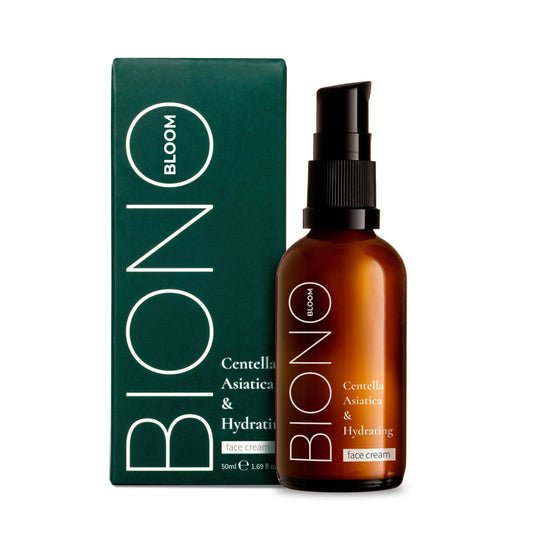
Moisturizing face cream with centella
Vendor:BIONO BLOOMRegular price 35,00 zł PLNRegular priceUnit price per -
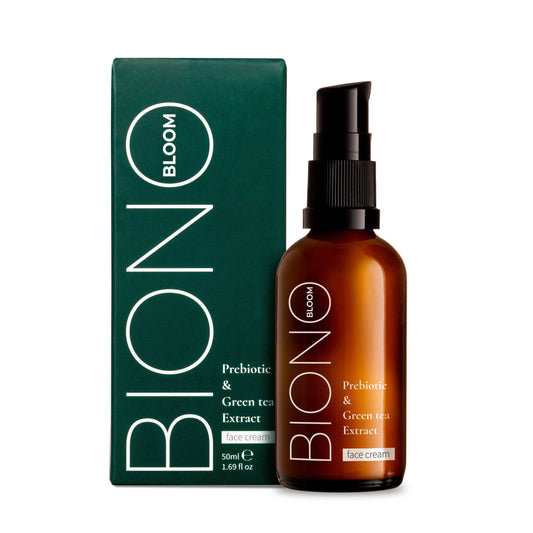
Anti-acne face cream with prebiotics and green tea extract
Vendor:BIONO BLOOMRegular price 39,00 zł PLNRegular priceUnit price per
Biono Bloom Face Creams - Skin Health and Protection
Biono Bloom face creams are an excellent choice for those seeking comprehensive skin care. Carefully developed formulas contain natural ingredients that deeply moisturize, nourish, and protect the skin from negative environmental impacts. Using Biono Bloom creams helps rebuild the skin, increases its elasticity, and gives it a natural glow.
An important feature of these creams is their ability to penetrate deeply into the skin without leaving a greasy residue. The products' light textures absorb quickly, making them ideal for daily care. Biono Bloom creams help maintain optimal hydration throughout the day, which is especially important for dry and sensitive skin.
Thanks to natural extracts and prebiotics, these creams help heal irritations, restore the skin's barrier function, and reduce inflammation. They also help fight free radicals, which is an important aspect of maintaining youthful and healthy skin.

Advantages of Biono Bloom face creams
One of the most popular products in this line is the moisturizing face cream with squalane and centella. This product provides deep and intense hydration, rebuilds the skin's natural protective barrier, and soothes irritation. Squalane helps retain moisture, leaving skin soft and smooth, while centella asiatica supports cell regeneration and improves skin texture.
Another equally effective product is the Anti-Acne Face Cream with prebiotics and green tea extract. It aims to combat acne, reduce redness, and regulate sebum production. Prebiotics support the rebuilding of the skin's microbiome, helping to reduce inflammation and providing natural protection against harmful bacteria. Green tea extract acts as an antioxidant, soothes irritation, and reduces oily shine.
All Biono Bloom creams feature safe formulas without harsh ingredients. They are suitable for all skin types and effectively address key skin concerns. Regular use of the products provides long-lasting hydration, protection from harmful external factors, and improved skin appearance.
Buy Biono Bloom face cream
Purchasing a Biono Bloom face cream is an investment in the beauty and health of your skin. You can choose the product that best suits your needs: intense hydration, soothing irritation, or fighting acne. Biono Bloom products are designed for professional home care, helping to maintain youthful and firm skin.
When you order face creams directly from the manufacturer, you're guaranteed quality and authenticity. Each cream is formulated to suit the needs of different skin types, so you're sure to find the perfect product for you. Thanks to their natural ingredients, Biono Bloom products provide safe and effective care without the risk of allergic reactions.
Give your skin a feeling of freshness, softness, and well-groomed appearance. By choosing Biono Bloom, you're choosing high-quality care, created specifically for your skin. Order now and feel the difference!

Face cream - an essential element of daily care
Face cream is the foundation of any skincare routine, providing the skin with essential nutrients and maintaining proper hydration. Its rich consistency creates a protective barrier on the skin's surface, preventing moisture loss and protecting it from harmful external factors. Regular use of face cream supports the skin's natural regenerative processes, improves its elasticity and firmness, and delays the aging process. Active ingredients in creams, such as vitamins A, C, and E, peptides, and natural oils, deeply nourish the skin and stimulate collagen production.
Modern face creams utilize advanced cosmetic technologies that allow active ingredients to better penetrate deeper layers of the skin. Microencapsulation, liposomes, and nanoparticles are innovative solutions that enhance the effectiveness of creams. Additionally, many creams contain special UV filters, antioxidants, and anti-inflammatory ingredients that comprehensively care for the health and appearance of the skin. Regular use of a face cream not only improves the skin's condition but also prepares it for makeup application, ensuring a smooth and even surface.
Types of face creams and their uses
Choosing the right face cream depends on your skin type, age, and specific skincare needs. Moisturizing creams are ideal for dry and normal skin, containing ingredients like hyaluronic acid, glycerin, and shea butter, which intensely hydrate and smooth. Creams for oily and combination skin have lighter formulas with mattifying ingredients like niacinamide, zinc, and salicylic acid. Those with sensitive skin should choose creams with gentle ingredients like allantoin, bisabolol, or chamomile extracts.
Anti-aging creams are specialized products designed for mature skin, containing retinol, collagen, elastin, and biomimetic peptides. Day creams are often enriched with SPF filters that protect against UV radiation, while night creams focus on intensive regeneration and nourishment. For those with skin concerns such as acne or enlarged pores, therapeutic creams are available with AHA/BHA acids, benzoyl peroxide, or retinol. Each type of cream has its own specific action and should be selected according to the individual skin's needs.

Correct use and selection of face cream
Apply face cream to cleansed skin, gently massaging in circular motions from the center of the face outward, not forgetting the neck and décolleté. In the morning, use a sunscreen and in the evening a rich, regenerating cream that will work while you sleep. The amount of cream should be adjusted to the size of your face—a pea-sized amount is usually sufficient. It's a good idea to use a toner or serum before applying the cream to maximize its effectiveness.
When choosing a face cream, it's crucial to thoroughly understand your skin's needs and analyze the product's ingredients. Avoid creams containing parabens, silicones, or artificial dyes if you have sensitive or allergy-prone skin. It's worth conducting a patch test before using a new cream for the first time by applying it to a small patch of skin on your forearm. The effects of a face cream will be visible after a few weeks of regular use – your skin will become more moisturized, smooth, and radiant. Remember to adapt your cream to hormonal changes, seasons, and age, as skin needs evolve over time.
Cosmetics and home fragrances store in Warsaw, Poznań, Wrocław, Kraków, Gdańsk, Gdynia, and Sopot. Convenient online shopping with fast delivery straight to your door.
Questions and Answers
How to choose the right face cream for your skin type and can you use universal products?
Choosing the right face cream is the foundation of effective skincare, which requires understanding the individual needs of your skin type and its current condition. Oily skin needs a light, gel or emulsion texture with sebum-regulating ingredients like niacinamide and salicylic acid, which mattify and reduce the appearance of pores. Dry skin requires rich creams with ceramides, plant butters, and oils, which rebuild the hydrolipid barrier and prevent water loss. Sensitive skin responds best to minimalist, fragrance-free formulas with panthenol, allantoin, and prebiotics that strengthen the skin's microbiome. Mature skin needs active anti-aging ingredients: retinol, peptides, vitamin C, and collagen.
Universal face creams can only work as a temporary solution or for normal skin without any particular problems. Modern cosmetology is increasingly moving away from the "one product fits all" concept in favor of personalized care that takes into account not only skin type but also age, climate, season, and specific needs. It's important to remember that skin changes over time – hormonal changes, stress, diet, and environmental factors all influence its condition. Therefore, a cream that has worked perfectly for years may no longer be effective. The key to success is regular skin monitoring and flexible adaptation of care to current needs, as well as consultation with a dermatologist or experienced cosmetologist.
What is the difference between day and night cream and are two separate products really necessary?
The difference between day and night creams stems from the different needs of the skin throughout the day and the specific processes occurring during the circadian cycle. Day creams primarily serve a protective function – protecting against UV radiation (ideally with an SPF of at least 30), air pollution, smog, and oxidative stress. They typically have a lighter texture, absorb quickly, and provide an excellent base for makeup. They contain antioxidants like vitamins C, E, and coenzyme Q10, which neutralize free radicals produced throughout the day. Day creams also provide all-day hydration and comfort without weighing down the skin.
Night cream focuses on regeneration and renewal, as the skin shifts into repair mode in the evening and at night. It has a richer, more nourishing texture and contains active regenerative ingredients: retinoids, peptides, AHA acids, ceramides, and oils. At night, skin temperature is higher, which increases the penetration of ingredients, and the lack of sun exposure allows for the safe use of photosensitive substances like retinol. During sleep, the body produces growth hormone, which supports cell renewal – a night cream supports these natural processes. Is two creams really necessary? For young skin, one good product may be sufficient, but after the age of 30, dividing the skin into day and night creams significantly improves the effects of care and slows down the aging process.
Which ingredients in a face cream are the most effective and what should you look for in the composition?
When choosing a face cream, it's worth knowing the ingredients with scientifically proven effectiveness that truly improve skin condition. Hyaluronic acid in various molecular weights provides multi-level hydration – low-molecular-weight molecules penetrate deeply, while high-molecular-weight molecules create a water-retaining layer on the surface. Niacinamide (vitamin B3) is a multi-tasking ingredient that regulates sebum production, brightens discolorations, and strengthens the skin barrier. Ceramides rebuild the skin's natural protective layer, preventing transepidermal water loss. Vitamin C in its stable form has antioxidant and brightening properties, peptides stimulate collagen production, and green tea extract soothes inflammation.
Equally important to knowing the right ingredients is the ability to avoid potentially harmful or ineffective ones. Paraffin and petrolatum create an occlusive layer that can clog pores and cause breakouts, especially on oily skin. Denatured alcohol (alcohol denat.) dries and irritates, especially sensitive and dry skin. Artificial dyes and strong perfumes have no skincare value and can cause allergic reactions. Silicones don't need to be demonized, but in excess, they create a film that impedes the penetration of other ingredients. The best creams have short, understandable ingredients with active ingredients at the top of the INCI list, free from fillers and unnecessary additives that serve only marketing purposes, not the skin.
Is an expensive cream always better and how can you recognize a truly effective product?
The price of a face cream doesn't always reflect its effectiveness – a high price often reflects marketing costs, luxurious packaging, and brand prestige, rather than the actual value of the active ingredients. Many affordable pharmacy and dermocosmetic products contain identical or even better ingredients than exclusive boutique creams. The key is the concentration of active ingredients and their form – for example, retinol at a concentration of 0.5-1% in a cream priced at 100 PLN will be more effective than a token amount in a product priced at 500 PLN. Clinical trials and dermatological certifications are a much better indicator of quality than price and advertising promises.
To recognize a truly effective cream, it's worth learning to read the ingredients and looking for brand transparency. A good manufacturer lists the concentration of key ingredients, publishes efficacy studies, and doesn't hide behind marketing slogans like "patented youth formula." The ingredients should be simple and logical – active ingredients in the top five INCI list, appropriate preservatives (paraben-free, if you prefer), and pH stabilizers. Before purchasing, it's worth checking user reviews, independent tester reviews, and ratings on beauty platforms. Remember that the most expensive cream won't work if it's not tailored to your skin's needs – it's better to invest in a cosmetologist consultation and an informed choice than in branded packaging with no results.
How long do you need to use the cream to see results and can you use the same product for years?
The time it takes to notice the effects of a cream depends on the type of active ingredients and the problem you're trying to address. The moisturizing and soothing effects can be felt almost immediately – after just a few applications, skin becomes softer, more elastic, and more comfortable. Anti-aging benefits require patience: vitamin C begins to brighten discolorations after 4-6 weeks, retinol shows wrinkle reduction after 8-12 weeks, and peptides build collagen for at least 3 months. As a general rule, a minimum of 4-6 weeks of regular use is needed to objectively assess a product's effectiveness, as this is how long the epidermal renewal cycle takes.
Can you use the same cream for years? The answer is: it depends. If a product meets your skin's needs and continues to work effectively, there's no reason to change. Skin doesn't "get used to" good ingredients like ceramides or hyaluronic acid – that's a cosmetic myth. However, it's worth monitoring whether your cream continues to meet the changing needs of your skin, related to age, season, or hormones. In summer, your skin may need a lighter texture, and in winter, a richer one. After age 30, 40, and 50, your anti-aging needs change. It's good practice to assess your current cream every few months to see if it's doing its job and whether your skin signals a need for a change – if it's oily, dry, or new issues are emerging, it's a sign that it's time to update your skincare routine.