
Perfumes for hotels
-
NON AROMA spray neutralizer for home use
Vendor:RebellionRegular price 35,00 zł PLNRegular priceUnit price per -
Aromatic spray for the home "Whiskey & Jazz"
Vendor:RebellionRegular price 35,00 zł PLNRegular priceUnit price per -
Aromatic home spray "God sleeps in the forest"
Vendor:RebellionRegular price 35,00 zł PLNRegular priceUnit price per -
Aromatic home spray "Fairytale"
Vendor:RebellionRegular price 35,00 zł PLNRegular priceUnit price per -
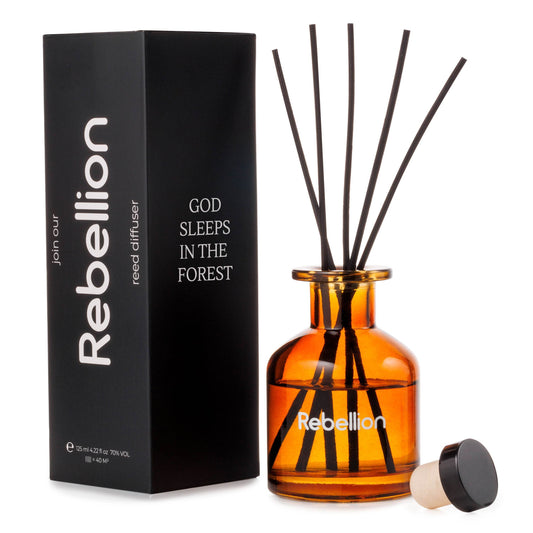
Fragrance Diffuser "God Sleeps in the Forest"
Vendor:RebellionRegular price 69,00 zł PLNRegular priceUnit price per -
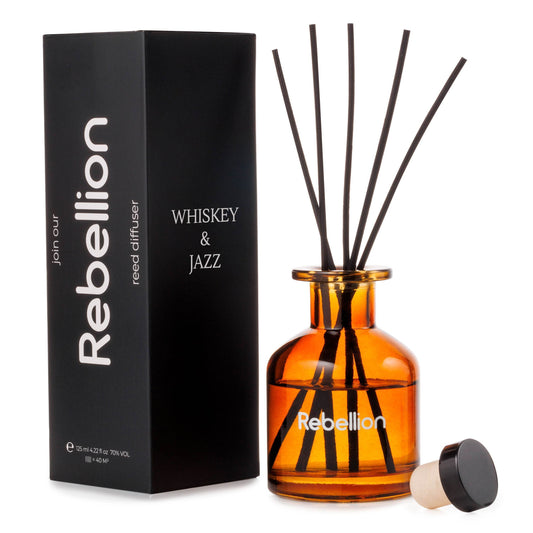
Aroma diffuser "Whiskey & Jazz"
Vendor:RebellionRegular price 69,00 zł PLNRegular priceUnit price per -
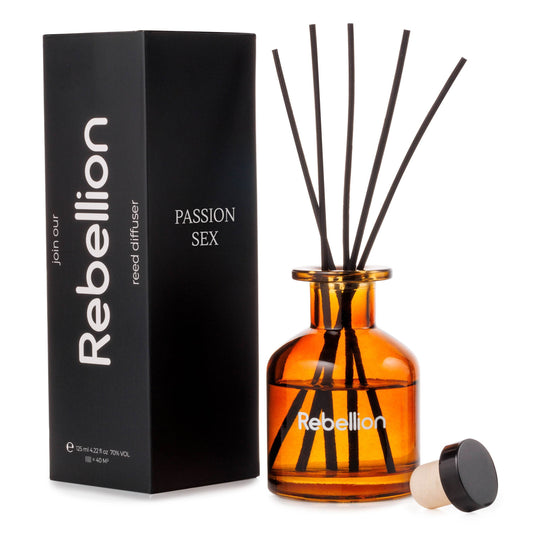
Passion Sex Aroma Diffuser
Vendor:RebellionRegular price 69,00 zł PLNRegular priceUnit price per -
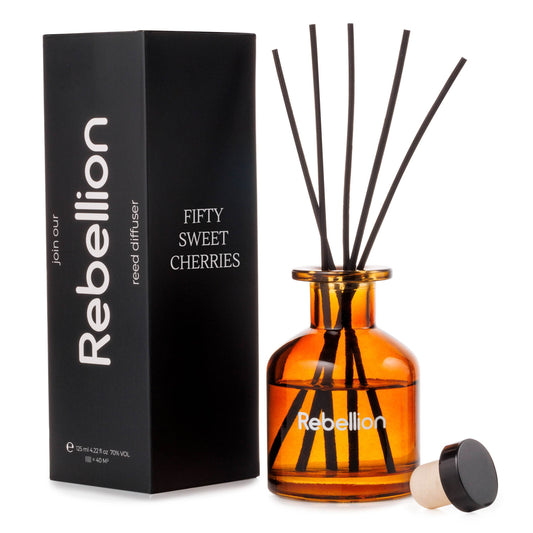
Fragrance Diffuser "Fifty Sweet Cherries"
Vendor:RebellionRegular price 69,00 zł PLNRegular priceUnit price per -
Lemon Ginger Fizz Aroma Diffuser
Vendor:RebellionRegular price 69,00 zł PLNRegular priceUnit price per -
Caramel Marzipan Fragrance Diffuser
Vendor:RebellionRegular price 69,00 zł PLNRegular priceUnit price per -
Rebellion Whiskey & Jazz Reed Diffuser Refill
Vendor:RebellionRegular price 65,00 zł PLNRegular priceUnit price per -
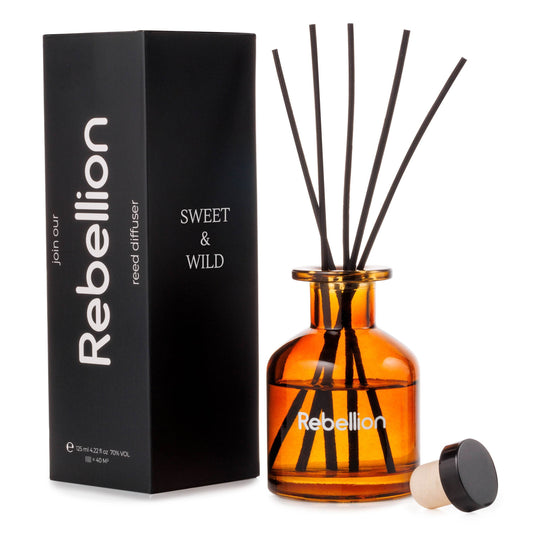
Aroma diffuser "Sweet & Wild"
Vendor:RebellionRegular price 69,00 zł PLNRegular priceUnit price per -
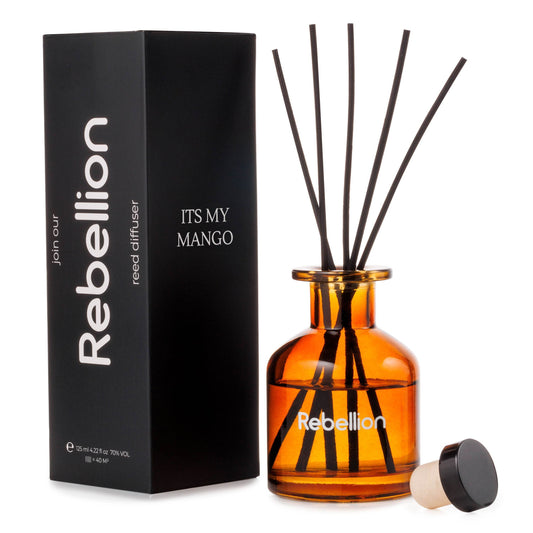
Its My Mango Fragrance Diffuser
Vendor:RebellionRegular price 69,00 zł PLNRegular priceUnit price per -
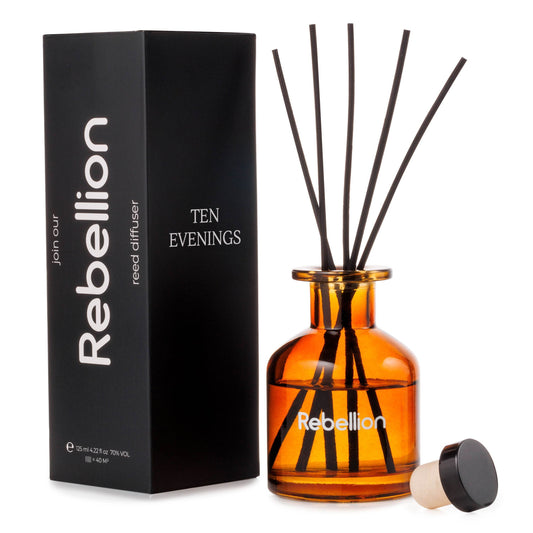
Fragrance Diffuser "Ten Evenings"
Vendor:RebellionRegular price 69,00 zł PLNRegular priceUnit price per -
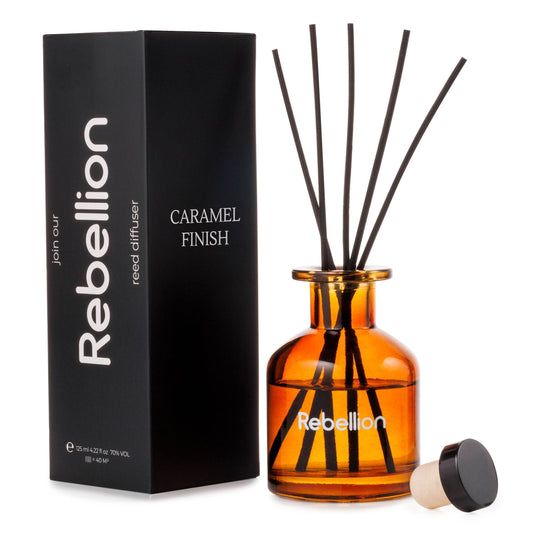
Caramel Finish Scent Diffuser
Vendor:RebellionRegular price 69,00 zł PLNRegular priceUnit price per -
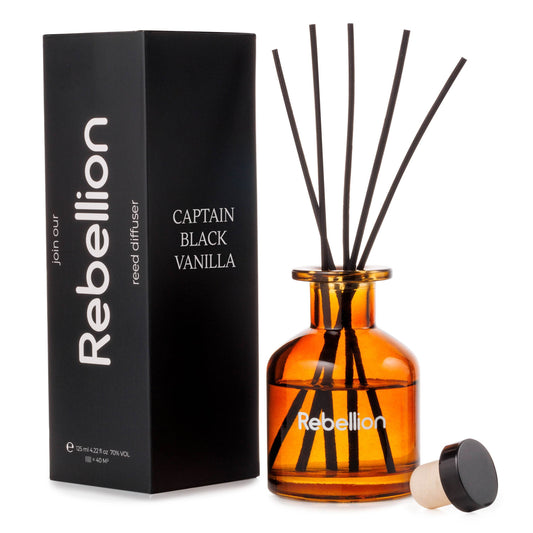
Captain Black Vanilla Fragrance Diffuser
Vendor:RebellionRegular price 69,00 zł PLNRegular priceUnit price per




Hotel Perfumes - Signature Scent for a Unique Experience
The hotel industry has discovered the power of scent marketing as a tool for building customer loyalty. Hotel fragrances are an integral part of the branding strategy, creating unique sensory experiences that guests remember long after their departure. Luxury hotels invest in signature fragrances, which become their recognizable signature.
The psychology of scent in the hotel industry is based on building positive brand associations. Consistently using the same scent throughout the hotel strengthens brand identity and increases recognition. Guests unconsciously associate pleasant scents with quality service, which translates into higher ratings and recommendations.
Modern hotel fragrance systems require precise planning and coordination with various departments. Installations must take into account the specific needs of each area—from the dynamic lobby to the intimate guest rooms. Professional implementation of fragrances in hotels requires collaboration with experienced scent marketing specialists.
Hotel lobby scenting - First impression
A hotel lobby is a space where guests' first impressions are formed, so lobby perfumes must be carefully selected. Elegant, welcoming compositions with notes of bergamot, white florals, and subtle musk create an atmosphere of luxury and hospitality. The scent in the reception area should be immediately recognizable, yet not overpowering.
Large-scale lobby aroma systems utilize advanced industrial diffusers combined with ventilation. Cold air diffusion technology ensures even distribution of perfume without the use of heat, preserving the integrity of the fragrance composition. Scent HVAC systems can service spaces up to 5,000 m² from a single control point.
The changing traffic volume in the lobby requires intelligent perfume dispensing systems. Motion sensors and timers adjust the fragrance intensity to the current occupancy of the space. During peak hours, the system automatically increases the perfume supply, and at night, it switches to a power-saving mode.

Signature scent for hotel chains - Brand consistency
Hotel chains develop signature fragrances that become a recognizable element of the brand. A signature scent is a unique blend of aromas developed exclusively for a specific hotel brand. The process of creating a signature scent takes an average of 6-12 months and requires testing in various locations.
The consistency of a signature scent requires rigorous quality standards and supply control. Fragrance laboratories develop detailed composition specifications, taking into account tolerances for each ingredient. Regular fragrance audits in the chain's hotels ensure compliance with brand guidelines.
International hotel chains must take into account cultural differences in scent perception. Signature scent compositions are tested on representative groups of guests from different regions of the world. The final formula must be acceptable to an international clientele while maintaining the brand's unique character.
Perfumes for hotel rooms - Private oasis
Hotel rooms require delicate, relaxing fragrances that enhance guests' relaxation. Room perfumes should be subtle and not conflict with the personal scent preferences of different guests. Universal fragrances with notes of lavender, vanilla, and fresh flowers are most acceptable.
Individual room aroma systems allow you to adjust the fragrance intensity to suit your guests' preferences. Portable diffusers placed in the bathroom and bedroom create aromatic zones without interfering with the building's utilities. A timer function allows you to program the aromatherapy according to your stay schedule.
Hygiene and safety in hotel rooms require special antibacterial compositions. Perfumes with essential oils with disinfecting properties eliminate microbes and neutralize unwanted odors. Regularly replacing fragrance cartridges ensures freshness and microbiological purity.

SPA and wellness aromatherapy - Aromatherapy
Spa areas require specialized fragrance compositions that support relaxation and regeneration. Spa perfumes are based on essential oils with proven aromatherapeutic properties. Eucalyptus in the sauna, lavender in the relaxation zone, and citrus in the fitness areas create a cohesive sensory journey.
Massage rooms require individual aromatherapy systems tailored to the type of therapy. A relaxing massage is supported by ylang-ylang and geranium blends, while a sports massage requires refreshing mint aromas. Spa ventilation systems must efficiently exchange air between sessions.
Pools and hot tubs pose a challenge for fragrance systems due to high humidity and the presence of chlorine. Special vapor-resistant fragrances use stable synthetic compositions. Ozone air purification systems eliminate chlorine odors and introduce fresh fragrance notes.
Hotel restaurants - Culinary aromas
Hotel restaurants require discreet fragrances that don't compete with the aromas of the food. Restaurant fragrances should stimulate the appetite and create an elegant dining atmosphere. Subtle herbal, citrus, and floral notes harmonize with various cuisines without interfering with the taste experience.
Bar areas can utilize more intense fragrances tailored to the venue's character. Whisky bars prefer woody and leathery aromas, while cocktail bars thrive on compositions with notes of tropical fruit. Bar fragrances must be resistant to the smell of alcohol and cigarette smoke.
Open kitchens require effective cooking odor neutralization systems. Industrial hoods with an aromatization function eliminate greasy odors and introduce fresh notes. Enzymatic odor neutralizers break down grease molecules at the molecular level.

Hotel events and conferences - Atmosphere of success
Hotel conference rooms need professional fragrances that support concentration and business communication. Conference room perfumes with notes of bergamot, rosemary, and cedar stimulate participants' mental activity. On-demand fragrance systems allow for the intensity to be adjusted to the type of event.
Banquets and galas require elegant, celebratory fragrances. Banquet hall perfumes with notes of champagne, white flowers, and amber create an atmosphere of luxury and celebration. Mobile fragrance stations allow for quick adaptation of the fragrance to the event's theme.
Weddings and private celebrations can benefit from personalized fragrances. Hotels offer signature scent creation services for special occasions that will be remembered by guests. Romantic notes of rose, peony, and vanilla are popular during wedding ceremonies.
Cosmetics and home fragrances store in Warsaw, Poznań, Wrocław, Kraków, Gdańsk, Gdynia, and Sopot. Convenient online shopping with fast delivery straight to your door.
Questions and Answers
Why do hotels invest in signature scents and how does scent impact the guest experience?
A hotel's signature scent is much more than a pleasant addition—it's a strategic branding and sensory marketing tool that directly impacts guest loyalty and hotel revenue. Neuromarketing research shows that scents are processed by the brain's limbic system—the same area responsible for emotions and long-term memory. This means that a hotel's signature scent can be a more powerful brand identifier than a logo or color scheme. When a guest enters the lobby and is greeted by a unique, carefully selected aroma, their brain unconsciously associates this scent with the entire experience. Luxury hotel chains like Westin (white tea with cedarwood), Ritz-Carlton (bergamot with patchouli), and W Hotels (fig with sandalwood) invest millions in the development of signature fragrances, which become an integral part of their identity.
The impact on business is measurable and significant. Hotels with professional scenting see a 20-30% increase in positive reviews, and guests are more likely to mention the "ambiance" and "special character" of a place in online reviews. Furthermore, research shows that the right scent can increase the perceived value of services—the same room with thoughtful scenting is rated as more luxurious and worth a higher price than an identical room without scent. Aroma also influences guests' longer stays in common areas (lobbies, restaurants, spas), which directly translates into higher spending on additional services. For business hotels, appropriate scents (citrus, mint, rosemary) can support guest productivity during conferences and meetings, while in spa hotels, relaxing compositions (lavender, ylang-ylang, sandalwood) enhance the regenerative effect. It's not a cost, but an investment in brand equity and the guest experience, which pays off many times over the years.
How to choose the right scent for different hotel areas and maintain consistency?
Professional hotel scenting requires a strategic approach to various functional spaces while maintaining a consistent, recognizable scent thread. The lobby is the focal point—it should be the most intense and distinctive scent, becoming the hotel's signature scent. Choose a universal, elegant, and uncontroversial composition—avoid overly sweet, heavy, or polarizing notes. Woody-herbal combinations (cedar with bergamot, sandalwood with lavender), clean, luxurious notes (white tea, fresh linen, cashmere wood), or subtle, oriental accents (fig with cedar, amber with vanilla) are ideal. In the hallways, use the same scent as in the lobby, but with 30-40% less intensity—this maintains the identity without being overwhelming in enclosed spaces.
Guest rooms require special delicacy—this is where guests spend the most time and have varying scent sensitivities. It's best to use a very subtle version of the hotel's signature scent or a completely neutral, fresh aroma (pure cotton, white tea, fresh bamboo). Some premium hotels offer fragrance personalization—guests can choose their preferred aroma from the menu or choose a completely fragrance-free experience. In the spa and fitness area, use specialized compositions: relaxing notes (lavender, eucalyptus, mint) in the wellness area, energizing citrus and green notes in the gym. Restaurants are a challenge—avoid intense scenting that clashes with the food; opt for a very subtle, neutral background or no scenting at all. In conference rooms, use stimulating, concentrating scents (rosemary, mint, lemon) with low intensity. The key is a consistent fragrance family—all scents in the hotel should belong to the same olfactory category (e.g., all woody-herbal with citrus accents), creating a harmonious whole without olfactory conflict between zones.
Which reed diffusers and sprays work best in hotel spaces?
Choosing the right fragrance products for a hotel depends on the specifics of each area and requires a professional approach to quality and aesthetics. Diffusers with reeds in glass bottles are an elegant and practical solution for most hotel spaces – they operate 24/7 without maintenance, require no electricity, are safe, and provide a constant, even level of fragrance for 2-4 months. For lobbies and reception areas, choose large, luxurious diffusers (300-500ml) in elegant glass bottles that complement the décor – opt for designer bottles engraved with the hotel logo or minimalist, upscale packaging. Place 2-3 large diffusers in strategic locations throughout the lobby: at the reception desk, in the seating area, and at the entrance. For corridors, medium-sized diffusers (200-300ml) are ideal, placed every 10-15 meters, preferably on consoles or shelves at a height of 1.5 meters.
In guest rooms, use smaller, discreet diffusers (100-150ml) placed on a table or in the bathroom. Choose versatile, neutral scents to avoid controversy. Housekeeping training is crucial. Staff must know how to adjust the intensity (number of reeds), when to change the liquid, how to clean the bottles, and how to flip the reeds every 3-4 days to refresh the aroma. Fragrance sprays are an invaluable complement to diffusers—great for quickly refreshing the space before guest check-in, after room cleaning, in bathrooms, or in conference rooms before meetings. Keep a stylish spray (preferably in a bottle with the hotel logo) in the reception and lobby for discreet use by staff 2-3 times a day during peak hours. In rooms, housekeeping should apply 1-2 sprays after cleaning—on the bedding, curtains, or carpet, never directly into the air while a guest is present. For conference rooms and events, prepare dedicated sprays to quickly refresh the space 15-20 minutes before each meeting. Invest in high-quality, professional products—cheap diffusers and sprays look unattractive, quickly lose their scent, and can damage furniture, which is unacceptable in a premium environment.
How to create a long-term fragrance strategy for a hotel brand?
Creating an effective fragrance strategy for a hotel or hotel chain is a multi-stage strategic process, not a one-time cosmetic decision. Start with a brand and guest audit—who are your guests (business travelers, families, millennials, luxury seekers)? What is your brand identity (boutique, luxury, eco-friendly, urban, resort)? What emotions do you want to evoke (relaxation, energy, elegance, adventure)? Conduct research among current guests—scent preference surveys, focus groups, and analysis of online reviews for mentions of ambiance. Based on this, create an olfactory brief defining the desired scent profile: fragrance family (woody, floral, fresh, oriental), intensity, characteristic notes, and scents to avoid. The next step is to collaborate with a professional perfumer or a company specializing in scent marketing—don't skimp here; a good signature scent is an investment that will last 5-10+ years.
Implementation and management are key steps often overlooked by hotels. After selecting a fragrance, create operational protocols for housekeeping and management—detailed instructions on where to place diffusers, how many reeds to use in different spaces, how often to turn the reeds (every 3-4 days), when to replace the fluids (when the level drops to 20%), and how to apply the sprays (1-2 sprays per 20m², always from a distance of 30cm, never directly at guests). Train all staff on the importance of fragrance consistency—every room and every hallway should smell identical. Invest in quality control—appoint a responsible person (Guest Experience Manager) to audit all areas daily, check fluid levels in diffusers, test fragrance intensity, and collect guest feedback. Create a replacement and refill schedule—a precise plan for when which diffusers need to be refilled, emptied, or replaced with seasonal variants. For hotel chains, consider creating a fragrance family—a main signature scent for all locations + regional variants adapted to the local climate and culture. Order branded products—diffusers and sprays with the hotel logo are not only an operational tool but also a branding element that can even be sold to guests as souvenirs (an additional revenue stream). Remember: a signature scent is a long-term commitment—frequent changes damage brand recognition. Choose wisely and stick with it for years.
What are the most common mistakes in hotel aromatization and how to avoid them?
The first and most serious mistake is a lack of consistency and coherence—each room smells different, the hallways are over-scented, and the lobby has no scent at all. This creates olfactory chaos that confuses guests instead of building brand identity. Another common problem is inadequate housekeeping training—staff don't know how many reeds to use, when to turn them over, or how to apply the sprays, resulting in random and unpredictable scent intensity. Sometimes rooms are overpowering, sometimes completely devoid of fragrance. The third mistake is using cheap, low-quality products—treating fragrance as a cost to minimize rather than an investment in the guest experience. Supermarket diffusers for 15 złoty look unprofessional, quickly lose their scent, and can leave stains on furniture. Guests of premium hotels immediately notice the difference between authentic, luxury fragrances and synthetic substitutes.
The fourth problem is ignoring guest feedback—when staff ignore complaints about excessively strong fragrances or allergic reactions and rigidly adhere to procedures without flexibility. The fifth mistake: a lack of monitoring and control—no one is responsible for checking fluid levels, replacing reeds, or maintaining them. The result: diffusers sit empty for weeks, reeds become dusty and ineffective, and sprays run out at crucial moments. The sixth mistake is choosing the wrong scent to identify the hotel—a boutique eco-hotel uses heavy, synthetic oriental compositions, while a luxury spa resort boasts intense citrus. The scent must reflect the brand's DNA, not be a random choice. To avoid these pitfalls: invest in professional products and training, appoint a person responsible for aromatherapy, create detailed operational protocols, regularly audit all areas, listen to guests and adapt to their needs, and treat the signature scent as a strategic branding element, not an add-on. Remember: poorly done aromatization is worse than no aromatization at all – it is better not to aromatize at all than to do it half-heartedly or unprofessionally.