
Home Fragrances
-
NON AROMA spray neutralizer for home use
Vendor:RebellionRegular price 35,00 zł PLNRegular priceUnit price per -
Aromatic spray for the home "Whiskey & Jazz"
Vendor:RebellionRegular price 35,00 zł PLNRegular priceUnit price per -
Aromatic home spray "God sleeps in the forest"
Vendor:RebellionRegular price 35,00 zł PLNRegular priceUnit price per -
Aromatic home spray "Fairytale"
Vendor:RebellionRegular price 35,00 zł PLNRegular priceUnit price per -
Aromatic candle "Fairy Forest"
Vendor:RebellionRegular price From 21,00 zł PLNRegular priceUnit price per -
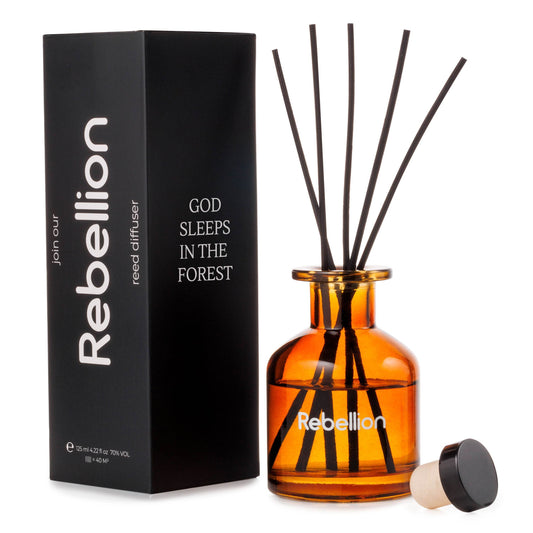
Fragrance Diffuser "God Sleeps in the Forest"
Vendor:RebellionRegular price 69,00 zł PLNRegular priceUnit price per -
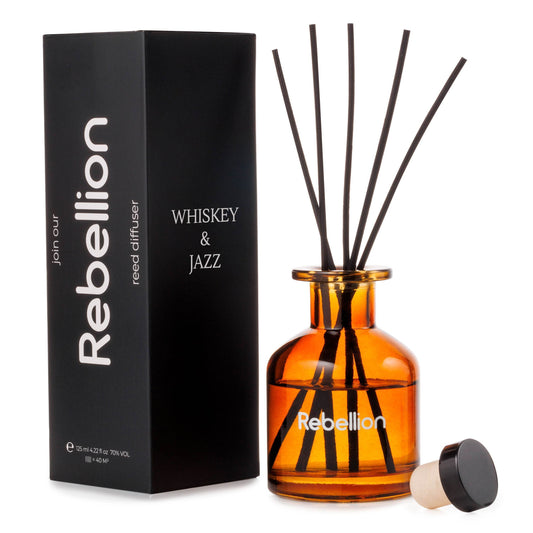
Aroma diffuser "Whiskey & Jazz"
Vendor:RebellionRegular price 69,00 zł PLNRegular priceUnit price per -
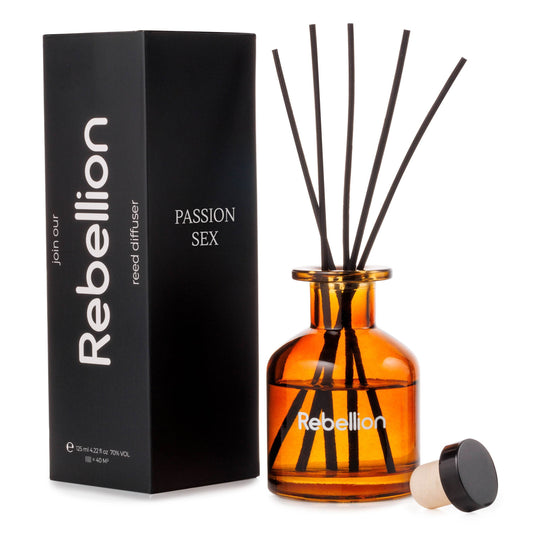
Passion Sex Aroma Diffuser
Vendor:RebellionRegular price 69,00 zł PLNRegular priceUnit price per -
Aromatic candle "Kiss of the Night"
Vendor:RebellionRegular price From 21,00 zł PLNRegular priceUnit price per -
Aromatic candle "Cosiness"
Vendor:RebellionRegular price From 21,00 zł PLNRegular priceUnit price per -
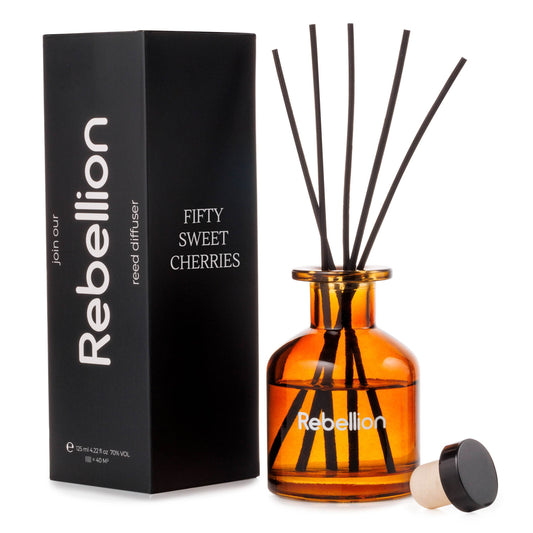
Fragrance Diffuser "Fifty Sweet Cherries"
Vendor:RebellionRegular price 69,00 zł PLNRegular priceUnit price per -
Lemon Ginger Fizz Aroma Diffuser
Vendor:RebellionRegular price 69,00 zł PLNRegular priceUnit price per -
Caramel Marzipan Fragrance Diffuser
Vendor:RebellionRegular price 69,00 zł PLNRegular priceUnit price per -
Rebellion Whiskey & Jazz Reed Diffuser Refill
Vendor:RebellionRegular price 65,00 zł PLNRegular priceUnit price per -
Aromatic candle "Scent of Light"
Vendor:RebellionRegular price From 21,00 zł PLNRegular priceUnit price per -
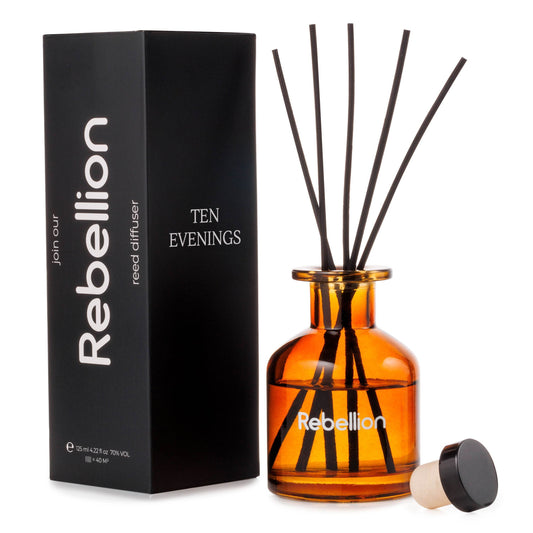
Fragrance Diffuser "Ten Evenings"
Vendor:RebellionRegular price 69,00 zł PLNRegular priceUnit price per






Cosmetics and home fragrances store in Warsaw, Poznań, Wrocław, Kraków, Gdańsk, Gdynia, and Sopot. Convenient online shopping with fast delivery straight to your door.
Questions and Answers
How do I choose the right home fragrance to suit my lifestyle and family needs?
Choosing the perfect home fragrance is a deeply personal decision that should reflect not only your aesthetic preferences but also your rhythm of life and the functionality of the space. Start by analyzing how you use your home—is it primarily a place to relax after work, or perhaps a hub for family activities with children and pets? For busy people seeking respite, soothing compositions with lavender, chamomile, or vanilla will create a spa-like atmosphere and aid relaxation. If your home is bustling with activity and you frequently entertain guests, choose versatile, elegant scents like sandalwood with citrus or fresh, herbal compositions, which are pleasantly received by most people and don't irritate with prolonged exposure.
It's also important to consider the season and time of day you're most likely to be at home. In summer and spring, light, refreshing scents with notes of citrus, green tea, or mint work well, providing energy and freshness. In winter and autumn, cozy, warm aromas with cinnamon, cloves, vanilla, or woody accords create a sense of security and comfort. If you have allergy sufferers, children, or pets in the home, choose natural products without artificial additives, dermatologically tested, and labeled hypoallergenic. Don't be afraid to experiment—buy small samples of different scents first and test them for a few days in different rooms before investing in full-size products. Remember, your ideal scent is one that makes you feel good in your own home every day.
Why can't I smell anything in my home even though I use diffusers and candles?
This phenomenon is called olfactory adaptation (or habituation) and is completely natural—after a while, your brain stops registering a constant scent as "new," focusing instead on detecting changes in the environment. It's a defense mechanism that allows us to quickly spot potential threats (like smoke or gas) without wasting resources analyzing safe, consistent stimuli. That's why homeowners often don't notice their own home odor, while guests do. If you use the same scent every day for weeks, your nose has simply "accustomed"—it doesn't mean the smell has disappeared, just that you've stopped consciously perceiving it.
There are several effective strategies for overcoming this adaptation. The first is scent rotation—instead of using one scent constantly, change it every 3-4 weeks between a few favorite blends. Your nose will react to a new stimulus each time. The second method is called an "olfactory reset"—take a break for 2-3 days without any scents in your home (ventilate all the rooms thoroughly), then reintroduce the aroma—you'll notice it much more intensely. You can also practice an aromatherapy reset: sniff coffee beans or your forearm (neutral body odor) between assessing different scents—this "resets" your olfactory receptors. Also, consider changing the product type—if you only use diffusers, add a candle or spray, which will vary the intensity and delivery of the aroma. Remember, if your guests comment on the pleasant scent in your home, it means everything is working—you're simply already adapted!
How to combine different fragrance products to create a cohesive atmosphere throughout the home?
Creating a cohesive olfactory narrative throughout your home is an art that can completely transform the experience of your space. Instead of using random, unrelated scents in different rooms, create a thoughtful aroma map that leads from one room to another in a harmonious manner. The best approach is to choose a main fragrance family as a base (e.g., woody-herbal, floral, citrus, or oriental) and stick with it in public spaces like the foyer, hallway, and living room. This will create a recognizable "background scent" for your home that guests will associate with your space. In more private rooms (bedroom, bathroom, study), you can introduce subtle variations of this theme or complementary aromas from a similar palette.
Layering products yields the best results—combine different forms of scenting for a comprehensive effect. For example, use a diffuser as a basic, consistent scent in your living room, a candle as an evening accent to add warmth and ambiance, and a spray for a quick refresh before guests arrive. Whenever possible, choose products from the same line or manufacturer—professional brands often design their collections with complementary scents. For example, you could use lavender with eucalyptus in the bedroom, citrus with mint in the bathroom, and cedarwood with bergamot in the living room—they all have herbal-fresh elements, so they support each other rather than compete. Avoid mixing more than two or three different scents simultaneously in an open-plan space—too many competing aromas create olfactory chaos. Subtlety is key: let each room have its own signature note, but let them all work together to create a harmonious symphony.
What scents help solve specific home problems, such as unpleasant cooking odors or musty smells?
Home fragrances aren't just a matter of aesthetics—they can be a functional tool for neutralizing problems and improving air quality. For kitchens, where intense cooking odors (fish, garlic, frying) can be persistent, citrus aromas with herbal notes work best—lemon, orange, grapefruit combined with rosemary, basil, or mint. These compositions don't mask unpleasant odors, but actually neutralize them chemically. Eucalyptus and pine are excellent air purifiers and add freshness. Avoid sweet, heavy scents like vanilla or caramel in the kitchen—combined with food, they can create a cloying, unpleasant mix. Use a scented spray after cooking, but ALWAYS air out first—open a window for 10-15 minutes to eliminate the problem, and only then refresh the space.
The problem of mustiness, dampness, or a "locked-in" odor requires a different approach. First, identify the source—often poor ventilation, damp walls, or old fabrics. Fragrances can help temporarily, but they won't replace solving the cause! For rooms with a musty smell, choose fresh, "clean" fragrances: cotton with musk, white tea, linen, seawater, or ozone. These aromas are naturally associated with freshness and cleanliness. Eucalyptus, peppermint, and cypress are ideal for bathrooms with dampness—they have antibacterial and antiviral properties, which further aid in freshness. In closets and dressing rooms, where clothes can acquire a stale odor, use sachets of lavender, cedarwood, or vetiver—they naturally repel moths and keep textiles fresh. Remember: fragrance is an addition, not a solution—always address the cause first (airing, drying, cleaning), and then enhance the effect with a suitable fragrance.
Are expensive, branded home fragrances really worth the price compared to budget alternatives?
This is a question that worries many consumers, especially when the price difference can be significant—from 20 PLN for a cheap air freshener to 200-300 PLN for a niche diffuser. The answer: often yes, but not always. Premium fragrances from reputable manufacturers use high-quality raw materials—natural essential oils, botanical extracts, and professionally blended fragrances developed by perfumers. This translates into several specific benefits: long-lasting aroma (cheaper products often lose their scent after an hour), complexity of the composition (top, heart, and base notes evolve over time), safety (no phthalates, parabens, or toxic VOCs), and a lack of artificial flavor. A good candle can burn for 50 hours with an intense scent, while a cheap one will burn out in 10 hours with almost no fragrance.
However, not every expensive product is automatically better, and not every budget product is bad. There are great brands in the mid-price range (50-100 PLN) that offer excellent quality without the premium price tag. Look for brands specializing in home fragrances, check ingredients, and reviews. Key questions before buying: Does the manufacturer disclose ingredients? How many burn/burn time hours does it offer? What are the long-term user reviews? On the other hand, some niche brands simply impose a "brand tax" without any real qualitative advantage. The golden rule: for the space where you spend the most time (living room, bedroom), it's worth investing in quality—it's an investment in your mental well-being and health. For auxiliary rooms (toilet, hallway, laundry room), proven products in the lower price range will suffice. Also, remember the long-term cost: a more expensive diffuser for 150 PLN that lasts for four months is more economical than a cheap one for 30 PLN that needs replacing monthly. Sometimes it's worth paying more once rather than spending regularly on inferior products.