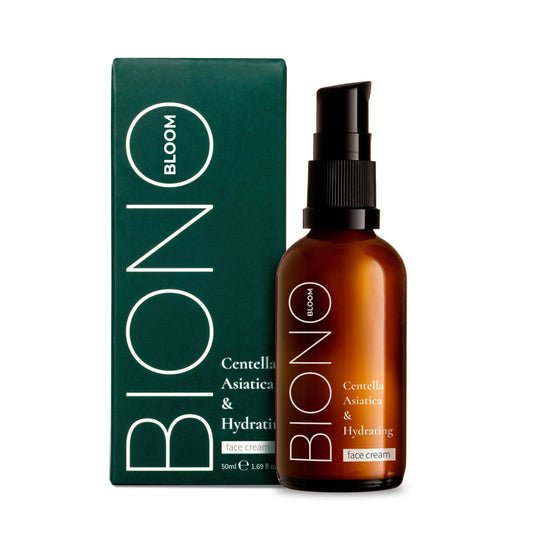

Centella asiatica for the skin: properties and use in cosmetics
Centella asiatica has become a true star of the K-beauty industry, quickly gaining recognition from dermatologists worldwide for its unique ability to soothe, regenerate, and strengthen skin at the cellular level. This humble herb, used for thousands of years in Ayurvedic and traditional Chinese medicine under the names gotu kola and tiger grass, today forms the basis of innovative cosmetic formulas that combine ancient wisdom with modern biotechnology.
Centella asiatica - botanical characteristics and history of use
Centella asiatica is used in cosmetics as an extract from the Centella asiatica plant, a member of the celery family, which grows in humid tropical and subtropical regions of Asia, particularly in India, Sri Lanka, Indonesia, and Madagascar. The legend of "tiger grass" comes from the observation that injured tigers instinctively rolled in centella thickets, accelerating the healing of wounds—this folk wisdom has been scientifically confirmed by modern research. In traditional medicine, the plant was used to treat skin conditions, burns, ulcers, and even leprosy, and monks consumed it to improve memory and concentration during meditation.
Centella's transition from a medicinal plant to a premium cosmetic ingredient occurred in the 1970s, when French and Korean scientists isolated and studied its active components. The modern cosmetics industry uses standardized extracts with controlled triterpene saponin content—these substances are responsible for its therapeutic effects. The highest-quality extracts are obtained from leaves and stems harvested during the active growing season, when the concentration of active ingredients reaches its maximum. Biotechnological methods allow for the cultivation of centella under controlled conditions, ensuring its compositional stability and the absence of contaminants.

Biochemical Composition: The Scientific Basis for Effectiveness
The unique properties of Centella asiatica stem from a complex mixture of biologically active substances, among which four triterpene saponins play a leading role: asiaticoside, madecassoside, asiatic acid, and madecassic acid. These components constitute up to 8% of the total extract weight and determine its therapeutic potential in cosmetology. Asiaticoside stimulates the synthesis of type I and III collagen, which is critical for wound healing and restoring skin elasticity, while madecassoside exhibits potent anti-inflammatory properties by inhibiting the production of proinflammatory cytokines.
Flavonoids and polyphenols in centella provide antioxidant protection, neutralizing free radicals and preventing oxidative stress, a leading cause of premature aging. Amino acids, including alanine, serine, and aspartic acid, maintain hydrolipid balance and strengthen the skin's protective barrier. Vitamins B, C, and beta-carotene add nourishing and regenerative properties to the extract, while minerals (calcium, magnesium, zinc) participate in enzymatic regeneration processes. This rich biochemical composition provides a multifaceted effect on various aspects of skin health.
Modern research confirms that centella works at the level of gene expression, activating fibroblasts—cells responsible for collagen and elastin production. This explains why cosmetics containing centella provide not only a superficial but also a profound structural effect, gradually rebuilding the dermal architecture. Clinical studies show that regular use of products containing 1-2% centella extract for eight weeks increases skin density by 23% and reduces wrinkle depth by 17%, which is comparable to the results of some peptide complexes.
Centella asiatica for the skin: a spectrum of dermatological applications
Centella asiatica has proven to be a universal ingredient for skin , suitable for virtually all skin types and conditions, especially problematic, sensitive, and damaged skin. Its main advantage is its ability to accelerate regeneration without the risk of hypertrophic scarring – centella stimulates the orderly deposition of collagen, which is particularly valuable in the healing of post-traumatic acne, scars, and bruises. Dermatologists recommend centella preparations to patients undergoing laser treatments, chemical peels, and mechanical cleansing to accelerate regeneration and minimize side effects.
Key indications for using cosmetics with centella:
- Acne and acne marks – anti-inflammatory and antibacterial properties reduce the number of blemishes, while regenerative properties even out texture and lighten post-inflammatory discolorations
- Rosacea and capillaries – strengthening the vessel walls and reducing skin reactivity reduces the frequency of flare-ups and the intensity of redness
- Atopic dermatitis and eczema – restoring barrier function and anti-inflammatory effects alleviate symptoms and prolong remission
- Age-related changes – stimulation of collagenogenesis firms the facial contour, reduces the depth of wrinkles and improves tissue elasticity
- Hyperpigmentation – tyrosinase inhibition and anti-inflammatory action prevent dark spots and even out skin tone
Professional cosmetologists include centella in their treatment protocols for sensitive skin, which reacts to most active ingredients with irritation. Unlike aggressive acids or retinoids, centella works gently, gradually restoring natural defense mechanisms without stressing cells. Centella is particularly effective for skin damaged by aggressive cosmetic treatments or improper care—it literally "heals" the epidermis, restoring its ability to self-regenerate and function normally.
Release forms and concentrations in cosmetic products
The modern cosmetics industry offers centella in a variety of formulations, each optimized for specific skin needs and types. Aqueous centella extracts are used in toners, essences, and lightweight serums – they absorb quickly, refresh, and prepare the skin for subsequent skincare steps. These formulas typically contain 10-30% of the extract and are ideal for oily and combination skin that needs hydration without weighing down the texture. K-beauty brands are particularly fond of "ampoule" formats – highly concentrated serums with 50-90% centella for intensive SOS care.
Centella creams and lotions contain 1% to 5% of the extract combined with nourishing oils and ceramides, providing comprehensive regeneration for dry and damaged skin. Specialized cica creams (from the French "cicatrisation"—healing) have become a distinct category of products with centella as a main ingredient, designed to urgently repair the skin barrier and soothe irritated skin. Such preparations often have a thick, occlusive texture that creates a protective layer and prevents transepidermal water loss.
Innovative formats include patches and sheet masks infused with centella extract, which provide intense active ingredient saturation for 15-20 minutes. Highly concentrated (up to 10%) spot-on preparations in the form of sticks or pastes are intended for local application to inflammation, acne marks, or scars. Professional lines offer ampoule concentrates for device-assisted treatments and mesotherapy, where centella purity and concentration reach pharmaceutical levels. When choosing a product, it's important to pay attention to centella's position on the ingredient list – the higher it is, the higher the concentration and likely effectiveness.

Synergy with other active ingredients
Centella works perfectly as a standalone ingredient, but when combined with other active ingredients, it creates powerful formulas with enhanced effectiveness. The classic centella-niacinamide (vitamin B3) duo is ideal for problem skin: the former heals and regenerates, the latter regulates sebum production and brightens acne marks. Together, they synergistically strengthen the skin barrier, reduce inflammation, and even out skin tone, making this combination one of the most popular in K-beauty formulas. Clinical studies show that combined use increases the effectiveness of each ingredient by 30-40%.
The combination of centella and hyaluronic acid provides a dual moisturizing effect: HA attracts water to the deep layers, while centella rebuilds the lipid barrier, preventing it from evaporating. This combination is especially effective for dehydrated, sensitive skin that needs both hydration and soothing. Centella with panthenol (provitamin B5) creates an SOS formula for urgent relief for irritated skin after sunburn, aggressive treatments, or allergic reactions—both ingredients have been proven to accelerate healing and reduce discomfort.
For anti-aging skincare, cosmetologists recommend combining centella with peptides: the plant extract stimulates fibroblasts and collagen synthesis, while the peptides send signaling molecules that activate rejuvenation processes. Centella with adenosine smooths wrinkles and improves elasticity, a finding confirmed by Korean studies and approved by the local FDA as an anti-aging combination. Centella should be combined with retinol with caution: it mitigates the irritating effects of vitamin A, but such a combination requires gradual introduction into skincare and the use of a high SPF during the day.
Contraindications and special features of use
Despite its exceptional safety and gentle action, centella has some nuances of use that are worth considering for maximum effectiveness and to avoid adverse reactions. Individual intolerance is rare (less than 1% of cases), but is possible, especially in people with allergies to plants from the Apiaceae family—celery, parsley, and carrots. Before first use, it is recommended to perform a patch test on the inside of the elbow for 24 hours to ensure no reaction. If redness, itching, or a rash occurs, discontinue use.
Pregnant and breastfeeding women are permitted to use centella cosmetics externally, as there is no data on systemic absorption or effects on the fetus. However, oral use in supplement form requires medical consultation. For active skin inflammation in the flare-up phase, it is advisable to consult a dermatologist first to prescribe pharmacological treatment, and use centella as an additional supportive care. People with very oily skin should choose light, water-based textures and avoid thick cica creams, which can overload the epidermis and provoke blackheads.
Centella's effectiveness increases when properly incorporated into your skincare routine: after cleansing and toning, apply to moisturized skin, and under your day or night cream. For curative use, cosmetologists recommend using intensive centella products for 4-8 weeks, followed by a 2-4-week break or maintenance cycle. Products should be stored in a cool, dark place, as centella's active ingredients are sensitive to light and high temperatures. Once opened, it's best to use them within 6 months to preserve the extract's maximum effectiveness.
Centella in professional cosmetology and home care
Professional cosmetologists actively incorporate centella into their salon protocols as a universal rehabilitation ingredient after aggressive treatments. After laser exfoliation, microneedling, TCA peels, or other traumatic procedures, applying cica masks and serums accelerates epithelialization by 40-50% and reduces the risk of post-inflammatory hyperpigmentation. In acne treatment programs, centella is used at all stages: from the active phase to reduce inflammation to the rehabilitation phase to even out texture and brighten discolorations.
In home care, centella has become the foundation of the so-called "cica routine"—a multi-step system with products based on this extract for sensitive and problematic skin. The basic protocol includes:
- Cleansing – a delicate foam or hydrophilic oil with centella to gently remove impurities without disturbing the barrier
- Toning – an essence with a high concentration of extract for the first stage of soothing and moisturizing
- Intensive care – serum or ampoule with centella and synergistic agents for targeted action on problems
- Moisturizing – a light gel or cream with centella to maintain the effect and provide protection throughout the day
- Spot treatment – cica balm for active inflammation or scars for accelerated healing
DIY enthusiasts can create their own preparations using ready-made centella extract, which is sold in specialized cosmetic ingredient stores. However, it's important to understand the basics of formulation, proper concentrations, and the need for preservatives for safe use. Professional cosmetologists, however, recommend relying on ready-made formulas from trusted brands that have undergone clinical trials and feature stabilized, balanced ingredients with optimal bioavailability.
Green pharmacy for modern skin
Centella asiatica embodies the perfect balance between traditional phytotherapy and evidence-based cosmetology, demonstrating that natural ingredients can be just as effective as synthetic molecules when used correctly. Its thousand-year history of use in medicine has been scientifically validated by hundreds of clinical studies, demonstrating its ability to stimulate regeneration, strengthen blood vessels, reduce inflammation, and protect against oxidative stress. For those with sensitive, problematic, or damaged skin, centella has become a true lifesaver – a gentle yet effective ingredient that is non-addictive and promotes long-term improvement in the condition of the epidermis.
Integrating centella into your daily skincare routine is an investment in skin health that pays off with gradual but lasting improvements in skin quality, strengthened natural defenses, and increased resistance to stress factors. Regardless of age, skin type, or specific concerns, centella asiatica will find its place in the cosmetic bag of anyone who values a scientific approach, safety, and real results. The future of cosmetology lies in this symbiosis of nature and science, where ancient plant traditions are enhanced by modern technologies to create truly effective and eco-friendly skincare products.