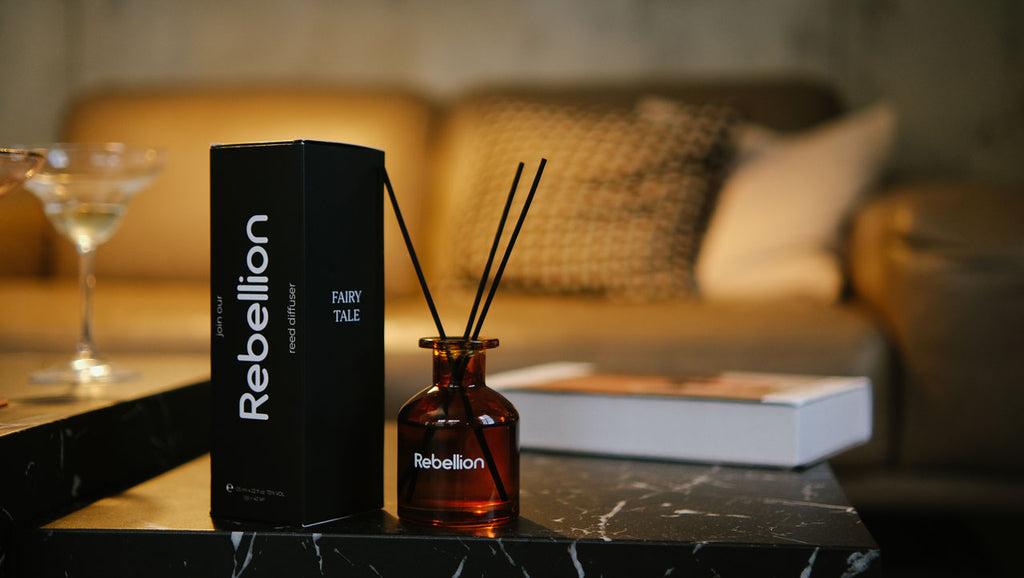

Designer fragrance diffusers – aroma and style in one
Designer fragrance diffusers are products that have become a permanent fixture in the world of modern interior design and professional sensory branding. They combine a fragrance function with sophisticated design, becoming both a decorative element and a tool for creating atmosphere. In an era of growing brand competition and a focus on home comfort, the diffuser is no longer just a small accessory – it has become a real tool influencing mood, perception of space, and customers' purchasing decisions.
What are designer fragrance diffusers?
Designer fragrance diffusers are devices or accessories used to gradually release a fragrance composition into a space, distinguished by their thoughtful form, quality of craftsmanship, and design aesthetics. Unlike ordinary air fresheners, they are created with the intention of becoming a permanent part of the interior, often by renowned designers or in collaboration with fashion houses and design studios. Their presence in a room is not just about the scent, but also a sculptural element that harmonizes with furniture, lighting, and the overall interior style.
Their popularity stems from the growing awareness that space affects us on many levels simultaneously. A well-chosen scent can calm, stimulate concentration, or evoke nostalgia, while the form of the diffuser itself enhances the aesthetic value of the interior. Designer fragrance diffusers are now present in homes, boutique hotels, beauty salons, creative offices, and premium stores, where they are an essential element of a comprehensive sensory identity for the place.

Types of diffusers available on the market
The diffuser market is incredibly diverse today, with each type having its specific application and strengths. Choosing the right solution depends on the room's area, the desired aroma intensity, budget, and the aesthetic we want to achieve. It's worth knowing the basic types of diffusers to consciously match the product to your needs, whether we're talking about a bedroom, a hotel reception, or a showroom.
The most common types of diffusers are:
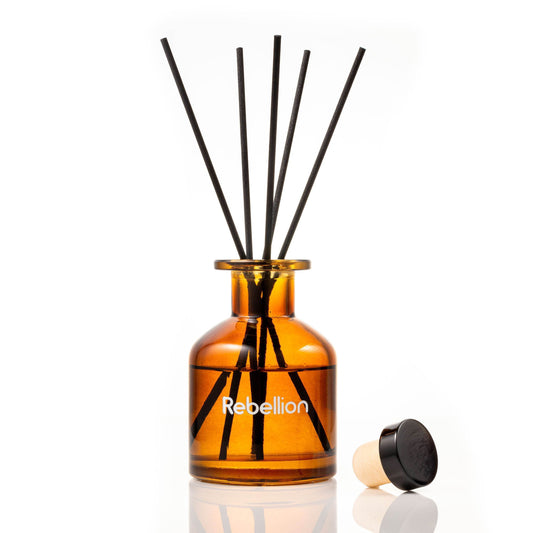
- Reed diffusers – classic, with natural rattan sticks or fiber wicks,
- Ultrasonic electric diffusers – disperse fragrance as a fine mist with water,
- Nebulizing diffusers – use pure essential oils without solvents,
- Candle-hybrid diffusers – combining candle warmth with the diffusion of aromatic oils,
- Passive ceramic diffusers – absorb fragrance and gradually release it into the surroundings,
- Professional HVAC diffusers – connected to the ventilation system of large spaces.
Fragrance diffusers for aromamarketing – how they work
Fragrance diffusers for aromamarketing are devices designed specifically for commercial spaces where scent serves as a strategic business tool. Their task is the even, controlled distribution of aroma for many hours, without intensity fluctuations or interruptions. They most often use cold diffusion technology, which does not heat the oils and thus preserves the fullness of their notes, from top to base, throughout the device's operation.
Aromamarketing is based on the phenomenon that the sense of smell is most strongly linked to memory and emotions among all senses. When a customer enters a store, restaurant, or hotel and smells a specific, consistent scent, their brain immediately creates an association with the brand. Over time, this association becomes so strong that the aroma itself evokes a memory of the place even outside of it. This is a powerful tool for building customer loyalty, which professional fragrance diffusers for aromamarketing achieve in a technically reliable and aesthetically refined way.
Advantages of designer diffusers in a business setting
Investing in designer fragrance diffusers in a business context brings benefits that extend far beyond aesthetics. Market research shows that customers spend more time in places with a pleasant, consistent scent, return more often, and are more likely to recommend them to others. For companies in the hotel, cosmetic, clothing, or catering industries, scent has become as much a part of their identity as their logo, color scheme, or typography.
Key advantages of implementing professional diffusers in business:
- Increased customer stay time in store by as much as 20–30%,
- Enhanced perceived quality of offered products and services,
- Building brand recognition through a unique scent signature,
- Masking undesirable odors, e.g., in restaurants or gyms,
- Improving employee mood and reducing their stress levels,
- Sensory consistency between network points in different locations,
- A subtle competitive advantage difficult for other brands to copy.

Designer fragrance diffusers at home – more than just decoration
In a home environment, designer fragrance diffusers play a much larger role than just decorative. They are devices that co-create the atmosphere of the home, influencing the well-being of residents, sleep quality, concentration during remote work, or the level of relaxation in the evening. A well-chosen diffuser becomes a silent but constant companion in everyday life, building a unique ambiance in a personal space.
The choice of fragrance should be tailored to the function of a particular room and time of day. In the living room, welcoming and open compositions like sandalwood with bergamot will work well; in the bedroom, calming notes of lavender, patchouli, or chamomile; in the office, invigorating accords of mint, rosemary, or citrus. Designer fragrance diffusers are also aesthetically pleasing enough to become a full-fledged decorative element, often displayed on shelves, chests of drawers, or coffee tables alongside vases, sculptures, and artistic photographs.
How to choose a diffuser suitable for your space
Choosing a fragrance diffuser requires considering several important factors that determine its effectiveness and comfort of use. The basic factor is the room's square footage – a diffuser that is too small will not fill a large space with aroma, and one that is too large in a small room will cause a feeling of oversaturation and discomfort. Equally important are ventilation, air humidity, and the frequency of people present in a given room.
When purchasing, it is worth paying attention to the following technical and aesthetic parameters:
- Operating range indicated in square meters by the manufacturer,
- Operating mode – continuous, intermittent, or programmable according to a schedule,
- Noise level, especially important in bedrooms and workspaces,
- Tank capacity and frequency of required oil refills,
- Quality and neutrality of materials – glass, ceramics, wood, metal,
- Compatibility with various fragrance lines available from the manufacturer,
- Design matching the interior style, from minimalism to art deco.
Oils and fragrance compositions for diffusers
The diffuser itself is only half the battle – the other half is the quality of the oils used in it. On the market, there is a huge difference between cheap synthetic compositions and professional formulas created by renowned perfumers. The former burn out quickly, can be irritating, and produce a dull effect, while high-quality oils develop in layers, changing throughout the day and offering rich, nuanced experiences.
Designer fragrance diffusers most often work with dedicated aromatic lines developed specifically for a given device. This ensures that the diffusion power, note concentration, and release characteristics are precisely synchronized. In professional aromamarketing, companies often also commission a "signature scent" – an original composition created exclusively for their brand, unavailable anywhere else. This is a unique element of identity that enhances recognition and builds an emotional connection with the customer for many years.

Applications of diffusers in various industries
Fragrance diffusers for aromamarketing are now used in almost every industry that serves customers in a physical space. Each sector has developed its own scent preferences, tailored to customer expectations and the nature of the service. Scent is no longer an addition, but a full-fledged element of a marketing strategy built in parallel with visual identity and verbal communication.
Examples of industry applications of diffusers:
- Hotels – warm, woody notes creating a sense of luxury in the lobby,
- SPA salons and beauty parlors – relaxing lavender-citrus accords,
- Premium clothing stores – fresh, slightly powdery, elegant scents,
- Restaurants and cafes – vanilla-coffee notes stimulating appetite,
- Medical and dental clinics – delicate scents reducing stress,
- Coworking offices – refreshing mints and citrus to support productivity,
- Premium car dealerships – leather and woody accords emphasizing prestige.
Trends in aromamarketing and diffuser design
The world of aromamarketing is developing dynamically, and with it, designer fragrance diffusers are evolving. We are currently observing several distinct trends that shape both the appearance of devices and the philosophy of scent selection. Ecology, personalization, and smart technology, allowing remote control of diffusion from a mobile application, are playing an increasingly important role.
In recent years, the following directions of industry development have gained particular importance:
- Compositions inspired by local flora and the culture of specific regions,
- Diffusers made from ecological materials – terracotta, bamboo, recycled glass,
- Integration with smart homes and voice control via digital assistants,
- Limited editions created in collaboration with artists and designers,
- Seasonal scents changing quarterly to maintain freshness,
- Sculptural forms combining diffusive function with artistic value,
- Clean beauty ingredients, free from phthalates, parabens, and synthetic dyes.
Maintenance and proper use of the diffuser
The longevity and effectiveness of any diffuser depend on regular maintenance and proper use. A neglected device quickly loses its power, and accumulating oil can cause unpleasant changes in the original fragrance composition. This applies to both simple reed models and advanced electrical systems connected to ventilation.
Basic diffuser care rules include regular cleaning of the reservoir with a neutral agent or isopropyl alcohol before each oil change, storing the device away from direct sunlight and heaters, and replacing the reeds in passive models every 3–4 weeks. For professional systems, periodic service reviews are recommended, especially if the diffuser operates continuously for several hours a day. Such care translates into stable fragrance and the preservation of the device's aesthetic appearance for years of use.
Common mistakes in implementing aromamarketing
Even the best fragrance diffusers for aromamarketing will not work optimally if they are poorly implemented. In practice, many companies make mistakes that, instead of supporting the brand, harm its image. Awareness of these pitfalls allows avoiding disappointments and immediately building an effective scent strategy that truly yields measurable business results.
The most common mistakes in aromamarketing are:
- Too intense a fragrance causing discomfort for sensitive customers,
- Inconsistent fragrance between different points of the same retail chain,
- Mixing fragrance with strong kitchen aromas or cosmetics,
- Using overly seasonal aroma without a long-term change plan,
- Ignoring cultural specificities and regional customer preferences,
- Lack of regular oil replacement resulting in a rancid smell,
- Choosing a diffuser disproportionate to the space area.
Summary: scent as a strategic element of brand and interior
Designer fragrance diffusers are now much more than a trendy interior gadget – they are a tool for building atmosphere, identity, and emotional connection. At home, they create a unique space of comfort; in business, they strengthen brand image and influence customer purchasing decisions. Their versatility means they can be used in both minimalist apartments and luxury hotels, combining functionality with the highest aesthetic standards.
When choosing a diffuser, it's worth thinking long-term – both about the quality of the device and the scent strategy that should accompany it. Well-chosen fragrance diffusers for aromamarketing return the investment many times over, and designer fragrance diffusers at home enhance daily comfort. This is one of those solutions that combine senses, emotions, and style into a coherent whole, fitting into the philosophy of conscious, thoughtful design of the spaces we inhabit every day.