
Diffusers with sticks and scented oils
Natural interior scenting is the art of creating a harmonious atmosphere through the conscious use of scents. Reed diffusers and oil diffusers are elegant solutions that combine functionality with aesthetics, allowing for the continuous release of pleasant aromas without the need for electricity or an open flame. In an era of growing environmental awareness and the search for natural methods to improve quality of life, these simple yet effective devices are gaining popularity. In this article, we'll present a comprehensive guide to the world of diffusers, helping you choose the perfect solution for your home and teaching you how to maximize the potential of natural essential oils.
What are stick diffusers and how do they work?
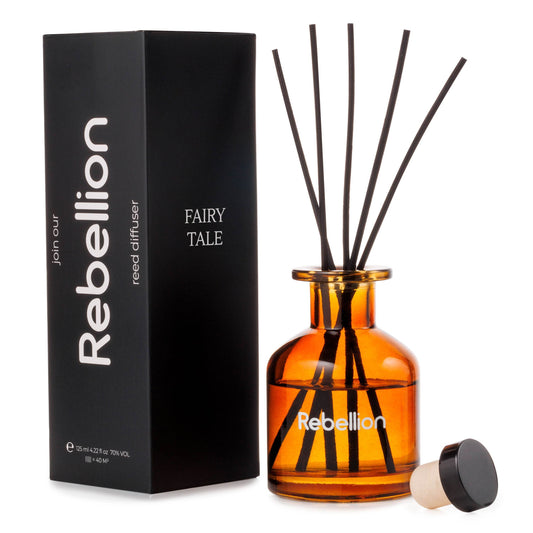
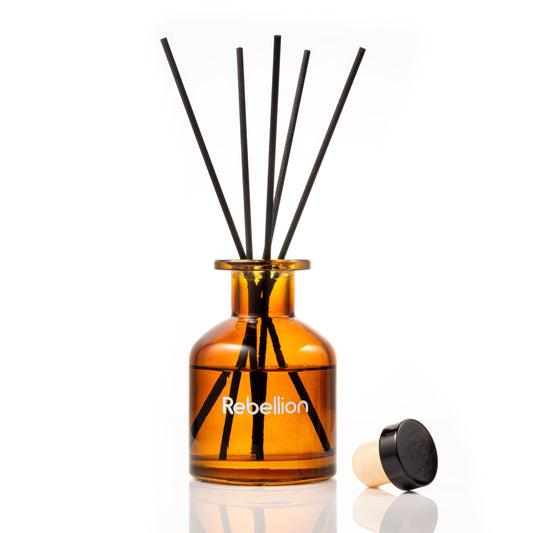
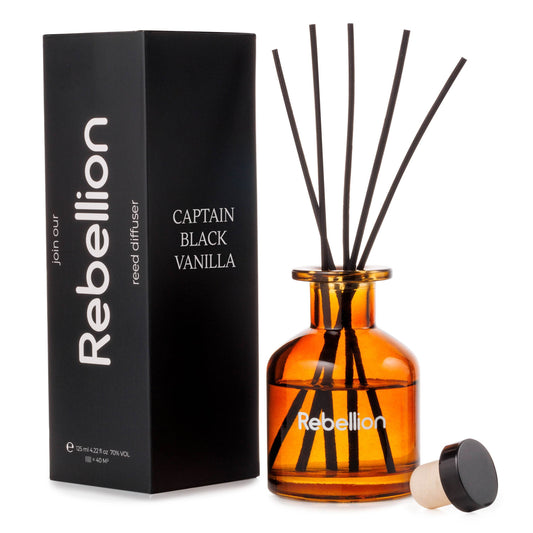
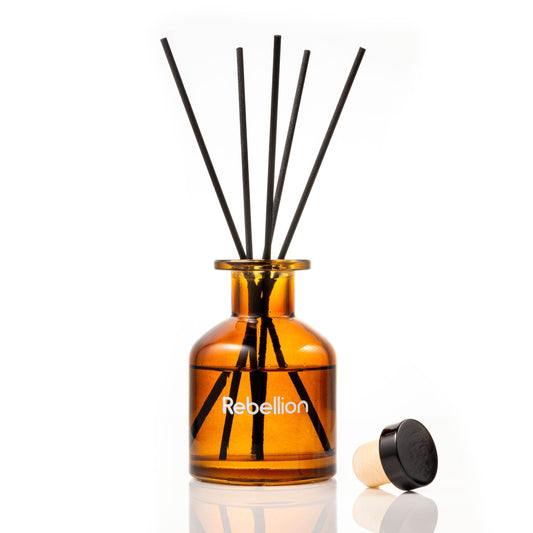
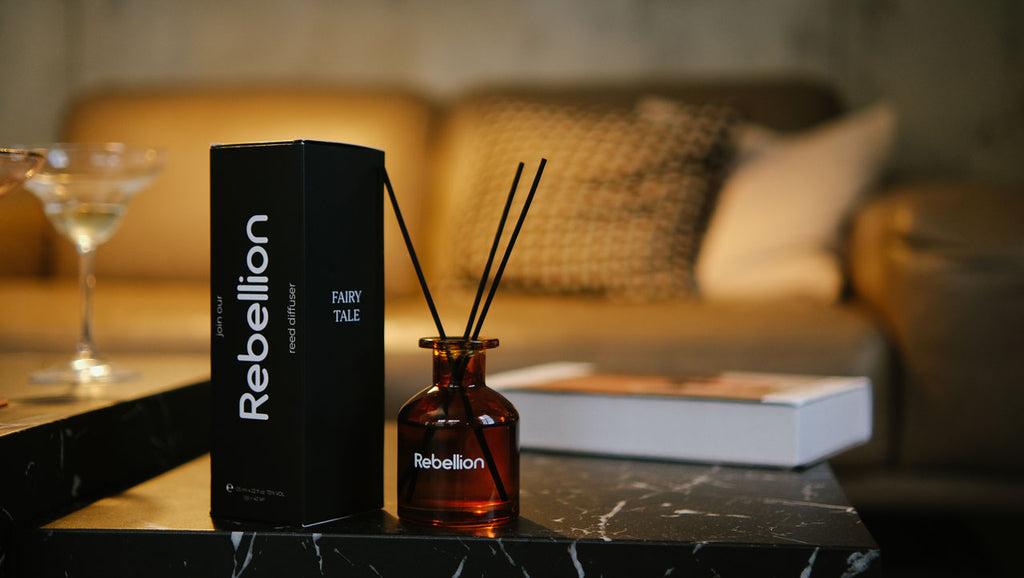
Diffusers with reeds are elegant vessels filled with a fragrance liquid, in which special reeds made of bamboo or rattan are immersed. They operate based on capillarity – the porous structure of the reeds absorbs the aroma from the liquid and gradually releases it into the air. This is a passive aromatization method that requires no energy source, and the fragrance intensity can be adjusted by the number of reeds used. The more reeds you place in the bottle, the more intense the aroma will be filling the room. Oil diffusers operate similarly, although they use different carriers – from alcohol, through carrier oils, to special diffusion solutions that ensure optimal distribution of essential oils.
Characteristic features of stick diffusers:
- Continuous action – the aroma is released 24 hours a day for many weeks or months
- Safe use – no fire, electricity or high temperatures
- Adjustable intensity – the ability to control the strength of the fragrance by the number of sticks
- Aesthetic appearance – elegant bottles as a decorative element of the interior
- Ease of use – no complicated steps required
- Economical – one diffuser can last from 2 to 6 months
Oil diffusers are an excellent alternative to electric humidifiers or oil warmers. Thanks to specially developed base fluid formulas, natural essential oils can be effectively diffused throughout the room without losing their therapeutic properties.

Types of aroma diffusers for oils
Traditional reed diffusers use an alcohol-based liquid or dipropylene glycol (DPG) oil as a carrier for fragrance compositions. Alcohol-based bases release fragrance faster and are ideal for smaller spaces, while oil-based bases release fragrance more slowly, but last longer and more gently. High-quality reed diffusers contain between 10% and 30% fragrance concentrate, guaranteeing an intense and long-lasting aroma. The reeds are typically made of natural bamboo or rattan—materials with the right porosity for optimal diffusion. Some premium models use sola wood fiber reeds, which absorb and release fragrances even more effectively.
Ceramic aroma diffusers are an elegant alternative to traditional glass bottles. The porous structure of ceramic allows for slow, even release of aroma, and the variety of shapes and designs make them a true interior decoration. Stone diffusers, made of volcanic lava or white porcelain, operate on the principle of absorption – a few drops of essential oil soaked into the stone are gradually released over many hours. Diffusers with reeds in the form of decorative sculptures or figurines combine functionality with high aesthetics. Glass diffusers with colorful or matte bottles allow for matching the aroma to the style of the interior – from minimalist to ornate.
Natural essential oils for aroma diffusers
Essential oils are concentrated plant essences obtained through steam distillation, cold pressing, or extraction. Each oil has a unique chemical profile, which translates not only into its aroma but also its therapeutic properties. Oils with documented effects on mood, concentration, and sleep quality are most often chosen for aroma diffusers. Lavender oil is the most versatile – it calms, reduces stress, and facilitates sleep. Citrus oils of bergamot, grapefruit, and sweet orange stimulate, improve mood, and boost energy. Eucalyptus oil supports clear respiratory tracts, especially helpful during colds.
Popular essential oils for reed diffusers:
- Tea tree oil – strong antibacterial and air-purifying properties
- Peppermint oil – refreshes, improves concentration and relieves headaches
- Rosemary oil – stimulates memory, supports concentration during mental work
- Cedar oil – has a calming effect, creates a warm, cozy atmosphere
- Ylang-ylang oil – a sensual scent with relaxing and aphrodisiac properties
- Frankincense oil (incense) – promotes meditation, deepens breathing, adds spirituality
When choosing oils for aroma diffusers, it's important to pay attention to their purity and origin. The best oils are 100% pure, organic, obtained from trusted producers who use appropriate extraction methods that preserve the plants' therapeutic properties.
How to Make Your Own Essential Oil Diffuser
Making your own reed diffuser is a simple and economical way to personalize your home's aromatherapy. You'll need an elegant, narrow-necked glass bottle (ideally 100-200 ml), 5-10 bamboo or rattan reeds, and a carrier fluid. As a base, you can use a light carrier oil like sweet almond oil or fractionated coconut oil, isopropyl alcohol (70-90%), or a ready-made diffuser solution available at beauty supply stores. Add 20-30 drops of your chosen essential oils to 100 ml of base fluid – you can create your own blend, combining aromas according to your personal preferences.
Recipe for homemade fragrance diffuser fluid:
- 80 ml isopropyl alcohol (90%) or dipropylene glycol
- 20 ml distilled water (optional to slow evaporation)
- 25-30 drops of essential oils of your choice
- 1 teaspoon of carrier oil (sweet almond oil) for better diffusion
Combine all ingredients in a clean bottle, shake gently, and let sit for 24 hours to allow the aromas to combine. Then, insert the reeds and, after about an hour, flip them over to absorb the liquid. Homemade oil diffusers are not only more affordable but also allow for complete control over the composition and intensity of the aroma.

Placement and maintenance of stick diffusers
Proper placement of reed diffusers is crucial for effective aromatherapy. The best locations are those with natural air circulation—chests in hallways, entryway tables, shelves in living rooms, or vanity tables in bedrooms. A height of approximately 1-1.5 meters above the floor ensures optimal aroma distribution. Avoid locations exposed to direct sunlight, which accelerates evaporation and can alter the properties of essential oils. Aroma diffusers should not be placed near heat sources such as radiators or fireplaces, or in areas with intense drafts, which can cause the fluid to drain too quickly.
Proper maintenance extends the life of your diffusers and ensures consistent fragrance intensity. Reeds should be turned every 3-4 days to refresh the aroma – simply remove them, wipe the bottom of the bottle, and reinsert them upside down. After a month of use, it's a good idea to replace the reeds with new ones, as they become clogged with dust and lose their absorbent properties over time. When the liquid runs out, rinse the bottle thoroughly before refilling with a new fragrance using warm, soapy water and then rubbing alcohol to disinfect. Essential oil diffusers also require periodic cleaning – any buildup can be removed with vinegar or alcohol. If you want to change the fragrance, be sure to replace the reeds with new ones, as old ones retain their original scent.
Fragrance compositions for various rooms
Choosing the right blend of oils for reed diffusers depends on the room's function and the desired effect. In the living room, where we entertain guests and spend time with family, universally appealing aromas are ideal. A blend of 10 drops of bergamot, 8 drops of lavender, 6 drops of cedar, and 4 drops of vanilla creates a warm, elegant scent. Relaxing blends are ideal for the bedroom: 12 drops of lavender, 8 drops of Roman chamomile, and 5 drops of sandalwood promotes falling asleep and deep sleep. For the home office, we recommend stimulating blends: 10 drops of rosemary, 8 drops of peppermint, and 6 drops of lemon improve concentration and productivity.
Seasonal compositions for fragrance diffusers:
- Spring – 10 drops of grapefruit, 8 drops of geranium, 5 drops of jasmine – freshness and optimism
- Summer – 12 drops of sweet orange, 6 drops of lavender, 4 drops of mint – energy and relaxation
- Autumn – 10 drops of cinnamon, 8 drops of cloves, 6 drops of orange, 4 drops of vanilla – coziness
- Winter – 10 drops of fir, 8 drops of frankincense, 6 drops of tangerine – the warmth and magic of the holidays
In the bathroom, diffusers with sticks of eucalyptus, peppermint, and tea tree oils not only smell pleasant but also purify the air. In the kitchen, it's better to avoid diffusers or use very subtle citrus compositions that don't clash with culinary aromas.
Health benefits of using aroma diffusers
Essential oil diffusers offer much more than just a pleasant aroma—they are a natural way to support health and well-being. Aromatherapy, used in holistic medicine for thousands of years, has proven the effectiveness of essential oils in regulating mood, reducing stress, and supporting the immune system. Regular use of diffusers with lavender reeds can reduce cortisol levels, a stress hormone, as scientific studies have confirmed. Citrus oils stimulate the production of serotonin, the happiness hormone, improving mood and energy. Eucalyptus and mint support clear respiratory tracts, alleviating cold and allergy symptoms.
Aroma diffusers can also improve sleep quality and promote regeneration. Lavender, chamomile, and neroli oils have documented calming and centralizing properties. Using these aromas in the bedroom an hour before bed prepares the body for rest. Some oils, such as tea tree and eucalyptus, have antibacterial and antiviral properties, naturally cleansing the air of microbes. Rosemary and basil improve cognitive function, memory, and concentration, making them ideal for workspaces. Regular use of diffusers with natural oil reeds can support the immune system, reduce muscle tension, and improve the overall mental and physical well-being of homeowners.

Safety of using reed diffusers
While essential oil diffusers are safe to use, there are a few rules to follow to ensure comfort and health. Always use high-quality, pure essential oils from reputable manufacturers – cheap synthetic substitutes may contain harmful chemicals. Don't overdo it with the amount of oil – more isn't necessarily better. Overly intense scents can cause headaches, nausea, or respiratory irritation. In a 20m² room, a diffuser with 3-5 reeds and a moderate concentration of oils is sufficient. Diffusers with reeds should be placed out of reach of children and pets – the base fluid often contains alcohol, which is harmful if consumed.
Precautions when using aroma diffusers:
- For allergy sufferers – always test a new oil, starting with small amounts and observing any reactions.
- Pregnant women – some oils (sage, rosemary, basil) are contraindicated during pregnancy
- Toddlers – Avoid eucalyptus and peppermint oils in the rooms of babies under 2 years old.
- Pets – cats are particularly sensitive to essential oils, avoid using them in their presence
- Asthmatics – some intense aromas may trigger attacks, use with caution
- Ventilation – ventilate rooms regularly to ensure fresh air
Diffusers with reeds should not be operated continuously 24/7 in small, enclosed spaces. It is recommended to take breaks every few hours, especially in bedrooms.
Ecological and economic aspects of fragrance diffusers
Essential oil diffusers are not only healthy but also an eco-friendly solution for interior fragrance. Unlike electric air fresheners or aerosol sprays, they don't require electricity or emit harmful chemicals into the atmosphere. Natural essential oils are biodegradable and come from renewable plant sources. Diffusers with reeds are refillable, reducing waste – high-quality glass bottles last for years, requiring only replacement of the liquid and reeds. This is a much more environmentally friendly approach than disposable fresheners in plastic packaging.
Economically, aroma diffusers are also a worthwhile investment. Preparing your own diffuser fluid costs a fraction of the price of premium products. A 10ml bottle of good essential oil is enough to prepare several liters of diffusing fluid, providing months of aromatization. A single reed diffuser can last from 2 to 6 months, depending on its size, number of reeds, and room conditions. Compared to electric diffusers, which consume energy and require regular refills, traditional reed diffusers are significantly cheaper to operate. Furthermore, the ability to create your own fragrance compositions allows for personalization and experimentation without major financial outlay.
The art of aromatization with aroma diffusers
Consciously using reed diffusers is a way to create a unique atmosphere and cultivate daily rituals. Fragrances have an extraordinary power to influence our emotions and memories – carefully selected aromas in aroma diffusers can change the mood of a room and support various activities. We can start the morning with stimulating citrus and mint scents, which will energize and improve concentration. In the evening, relaxing compositions with lavender, frankincense, and sandalwood will help de-stress and prepare for sleep. Weekends are the perfect time for more complex, luxurious aromas with notes of ylang-ylang, patchouli, or jasmine.
Creating your own blends for reed diffusers is a creative process that allows you to express your personality and adapt scents to your changing needs. It's worth keeping an aroma journal, noting the proportions of oils in successful blends. You can create themed collections – energizing for Monday mornings, soothing for Friday evenings, romantic for special occasions, or festive for times of celebration. Oil diffusers can also make a thoughtful gift – a handcrafted set with elegant bottles, reeds, and a carefully selected blend of oils is a personal, unique gift that demonstrates your commitment and care for a loved one.
Natural Flavoring as a Lifestyle
Reed diffusers and oil diffusers are much more than just a way to scent your home—they're a conscious choice for a natural, sustainable lifestyle that supports health, well-being, and a harmonious space. By investing in high-quality essential oils and elegant diffusers, you create a home oasis of peace, where each aroma has its own meaning and purpose. This is a shift from artificial, chemical fragrances to authentic, plant essences that have served humanity for thousands of years in healing and nurturing well-being.
Adopting a natural aromatherapy philosophy is an investment in the quality of life for the entire family. Aroma diffusers not only smell beautiful but also purify the air, support the immune system, and positively impact the mood of the household. They are also educational – by teaching children to recognize natural aromas and understand their properties, we build their environmental awareness and sensitivity to nature. Diffusers with reeds in every room create a cohesive, harmonious atmosphere that turns the home into a true sanctuary – a place of rest, regeneration, and joy to which one always wants to return.