
How exclusive hotel perfumes build a brand image
The scent of a hotel lobby, corridors, or rooms is an element that guests remember as strongly as the interior design or the quality of service. Exclusive hotel perfumes have become a standard in the premium industry today because they allow for building a cohesive brand identity and evoking positive emotions even before a guest can evaluate the rest of the experience. A well-designed scent strategy makes a property associated with luxury, attention to detail, and consistency at every customer touchpoint. However, it is worth knowing how commercial space scenting differs from home scenting and how to choose a composition that will benefit the hotel rather than overwhelm guests.
Why exclusive hotel perfumes are an investment, not an accessory
Treating scent as an element of brand strategy, rather than merely a cosmetic addition, is an approach adopted by the largest hotel chains worldwide in recent years. Hotel interior scenting operates on the principle of sensory marketing – it leverages the fact that the sense of smell is most strongly linked to emotional memory among all senses. A guest who associates a particular aroma with a pleasant stay is much more likely to return to the same place or recommend it to friends, because the scent evokes a memory long after departure.
From a property management perspective, scent marketing is also a tool for differentiation from competitors in a segment where interior design and service standards can be very similar. A scent signature, which is a unique composition assigned to a given brand, works similarly to a logo or color scheme – it builds recognition and consistency between different locations of the same chain. That is why an increasing number of properties decide to collaborate with manufacturers creating dedicated, exclusive scent compositions instead of using off-the-shelf products.

How hotel scents differ from home scents
Compositions designed for commercial properties differ from typical home scents primarily in concentration, longevity, and distribution method in space. Hotel scent compositions must maintain a stable, recognizable aroma in large, often open spaces, such as reception areas or lounges, where air movement and the number of people are much greater than in a private apartment. This requires the use of higher-efficiency systems, such as fan diffusers or dispensers connected to the ventilation system.
Another difference is the approach to the scent composition itself – in hospitality, excessively aggressive, sweet, or distinctly seasonal notes are avoided, because the scent must be universal and acceptable to guests with very different cultural and age preferences. Thus, woody, musky, lightly citrusy, or white floral compositions dominate, creating an impression of elegance without being overpowering. Such a choice helps avoid situations where an intense scent, instead of building positive associations, becomes a source of discomfort for people sensitive to aromas.
Types of scent systems used in hotels
The hotel industry uses several proven technological solutions that allow maintaining a constant, controlled scent level in various areas of the property:
- Electronic fan diffusers – disperse scent using a fan, suitable for large open spaces such as lobbies.
- Systems integrated with air conditioning – dispense microscopic amounts of oil directly into ventilation ducts, ensuring even scenting of an entire floor.
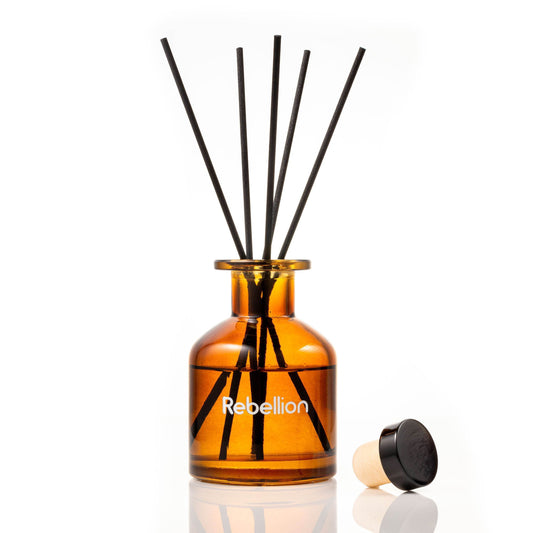
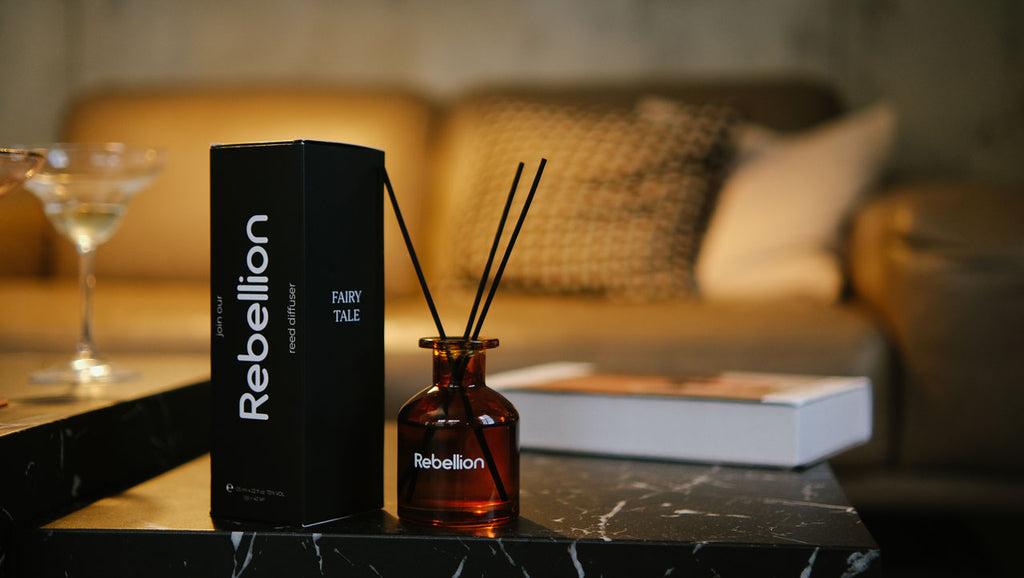
- Premium rattan diffusers – used in rooms and VIP areas where subtlety and an elegant bottle appearance are important.
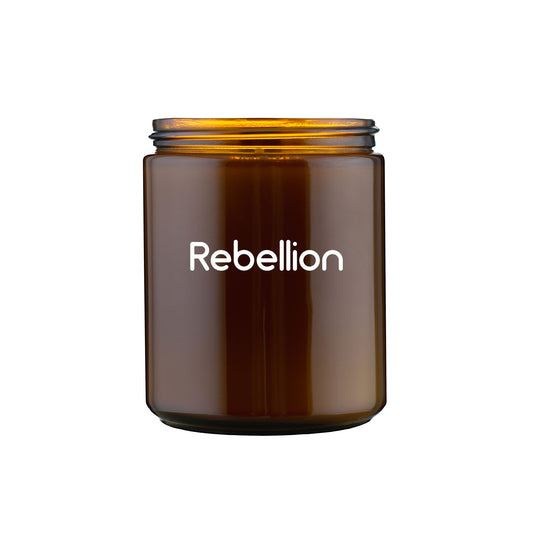
- Scented candles – mainly used in spa and wellness areas, where the scent combines with a relaxing atmosphere.
- Sachets and scented inserts – placed in hotel wardrobes or reception drawers, ensuring the freshness of textiles.
The choice of a specific system depends on the size of the property, budget, and the area in which it is to operate, as each of these technologies has a different range and duration of action.
How to choose exclusive hotel perfumes depending on the zone
An effective scent strategy in a hotel property assumes that different zones may have slightly different, but cohesive compositions, creating a single coherent scent narrative. In the lobby and reception area, a distinct but not overly sweet scent should dominate – most often woody-musky or with a citrus note, which immediately creates an impression of freshness and elegance. In corridors and elevators, a slightly milder version of the same composition should be used to avoid an overwhelming effect during longer stays in an enclosed space.
In hotel rooms, interior perfumes should be subtle and universal, as guests spend more time there than in common areas, and an overly intense scent can be bothersome during sleep or work. Spa and wellness areas, on the other hand, are places where more distinct, relaxing notes – lavender, eucalyptus, or sandalwood – can be allowed, supporting the relaxation experience. Hotel restaurants and bars, however, require neutral scent solutions so that the interior scenting does not compete with the smell of the served dishes.
How to use hotel perfumes to avoid mistakes
The practical implementation of a scent strategy in a hotel property requires discipline and regularity, as even the best-chosen composition will lose its effect if applied inconsistently. First and foremost, a schedule for refilling cartridges and liquids in scent systems should be established, so that the aroma never completely disappears or becomes too intense due to excessive product refilling. Staff responsible for cleanliness should be trained in operating dispensing devices, as incorrect settings can lead to uneven scent distribution between floors.
A second important element is monitoring guest opinions regarding the intensity and character of the scent, because what is pleasant for one person may be too strong or cause allergies for another. It is also worth remembering that the hotel's scent signature should be consistent with the season and events taking place at the property – a different mood is built during a business conference than during a festive reception. Regular rotation and slight modifications in intensity help maintain the freshness of the experience without losing the recognizable scent signature of the brand.

Most common mistakes when implementing scents in hotels
Implementing a scent strategy is often subject to several recurring mistakes that weaken its effectiveness and can negatively impact guest perception:
- Over-dosing the scent – instead of an elegant aromatic background, an impression of obtrusiveness arises, which tires guests after just a few minutes.
- Lack of consistency between property zones – different, unrelated scents in the lobby, corridors, and rooms weaken the effect of the brand's scent signature.
- Ignoring guest allergies and sensitivities – some compositions may cause reactions in individuals sensitive to strong aromas or alcohol in the perfume base.
- Using cheap, generic scents – this lowers the perceived value of the brand, especially in the premium and luxury segments.
- Lack of regular equipment maintenance – dirty nozzles or discharged electronic systems lead to uneven aroma distribution.
Avoiding these mistakes allows for fully utilizing the potential of hotel scenting as a tool for building loyalty and a positive guest experience.
Scenting and the premium guest experience
In the premium and boutique hotel segment, scent has become one of the pillars of the so-called guest experience, alongside the quality of bedding, lighting, and background music. The scent signature works here on a subconscious level – the guest cannot necessarily name a specific scent note, but perceives a general impression of elegance, cleanliness, and attention to detail. It is precisely this subtlety that distinguishes a consciously designed scent strategy from the accidental use of an air freshener, which merely masks unwanted odors instead of building positive associations.
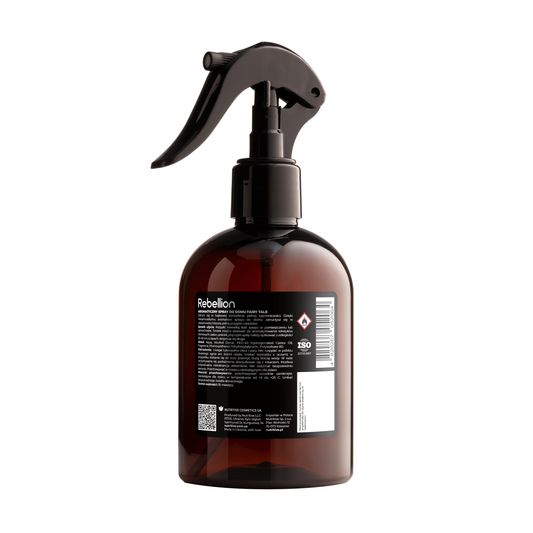
More and more hotel chains offer guests the opportunity to purchase a signature scent in the form of a candle, diffuser, or home spray, which allows transferring the stay experience to their own home and extending the emotional connection with the brand long after departure. Such products also become an additional source of income and an element building customer loyalty, as guests gladly return to a place associated with a specific, pleasant aroma. This shows that a well-designed hotel interior scenting goes far beyond a purely aesthetic function and becomes a real marketing tool.
Exclusive hotel perfumes – summary
Exclusive hotel perfumes are much more than a pleasant addition to interior design – they are a precisely designed tool for building image, brand consistency, and an emotional connection with the guest. An effective scent strategy requires selecting appropriate compositions for individual zones of the property, investing in professional dispensing systems, and consistent, regular service that allows maintaining a constant aroma level without excess. Avoiding typical mistakes, such as over-dosing or lack of consistency between hotel sections, determines whether the scent will genuinely enhance the guest experience or become a source of discomfort.
Investing in professionally selected property scenting pays off in the form of customer loyalty, positive reviews, and stronger brand recognition compared to competitors. It is worth treating scent as an integral part of the hotel's marketing strategy, planned with the same care as interior design or service quality, because it is precisely subtle sensory impressions that remain in guests' memory the longest and build the desire to return to a given place.
Do you want your property to gain its own recognizable scent signature? Contact us and arrange a free consultation – we will select a composition tailored to the character of your hotel and help implement a cohesive scenting strategy in every zone, from the lobby to the rooms. Write to us or call us, and we will prepare a scent proposal that will be remembered by your guests.