
How to choose a serum for acne-prone skin step by step
Blemish-prone skin needs not only thorough cleansing, but above all targeted care, and the right serum for acne-prone skin can do more than any other cosmetic in your routine. It's a concentrated formula that delivers active ingredients deep into the epidermis, supporting the fight against breakouts, enlarged pores, and post-inflammatory hyperpigmentation. A conscious choice of such a product is an investment that genuinely translates into the appearance and comfort of your complexion.
Why acne-prone skin serum makes a difference
Serum differs from cream primarily in its high concentration of active substances and its light, fast-absorbing consistency. In the case of acne-prone skin, this is of great importance, as it allows precise targeting of specific problems—sebum overproduction, blackheads, or inflammation—without weighing down the skin. A well-chosen serum for acne-prone skin acts locally where a regular cream cannot deliver a sufficient dose of active ingredients.
Experience shows that people struggling with imperfections often skip this step, relying solely on creams and cleansing gels. Meanwhile, an acne serum can be the element that breaks the impasse and brings visible improvement after several weeks of regular use. The key, however, is patience and matching the formula to the stage of the skin—skin with occasional breakouts has different needs than skin with severe inflammatory acne.

What is acne-prone skin serum and how does it work?
Acne-prone skin serum is a concentrated skincare product designed for oily, combination, and breakout-prone skin. Its task is to regulate sebum secretion, reduce blackheads, soothe inflammation, and prevent the formation of new imperfections. Thanks to its light base and high concentration of active ingredients, it penetrates deeper than traditional cream, resulting in more effective action.
To better understand what to look for, it's worth knowing the most important functions a good acne serum should perform:
- Sebum regulation — reduces skin shine and clogged pores.
- Anti-inflammatory action — reduces redness and swelling around breakouts.
- Exfoliation — gently clears pore openings of dead skin cells.
- Even tone — reduces post-inflammatory hyperpigmentation after healed lesions.
- Barrier support — good formulas do not dry out or disrupt the skin's protective barrier.
Knowing these functions allows you to assess whether a product truly meets your skin's needs or merely entices with a marketing description. It's important to remember that acne-prone skin serum is not a medicine, and for severe changes, it cannot replace dermatological consultation, but in home care, it is one of the most effective tools.
The most effective active ingredients in acne serum
The effectiveness of a product is primarily determined by its composition, so when choosing an acne-prone skin serum, it is worth paying attention to proven active substances. Each ingredient works slightly differently and addresses a different aspect of the problem, so good formulas often combine several of them in well-thought-out concentrations. Understanding their functions helps to choose a product consciously, and not based on a catchy name.
The most commonly recommended and best-researched ingredients in acne serum are:
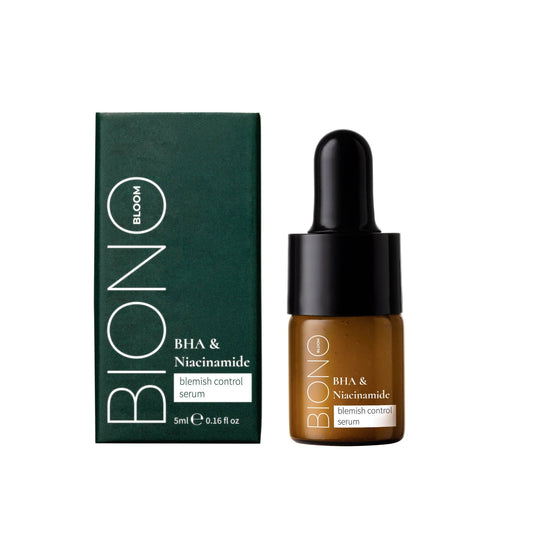
- Salicylic acid (BHA) — fat-soluble, cleans pores from within.
- Niacinamide — regulates sebum, soothes redness, and strengthens the barrier.
- Azelaic acid — has anti-inflammatory, antibacterial properties, and brightens hyperpigmentation.
- Retinoids — accelerate skin cell turnover and prevent pore clogging.
- Zinc — supports sebum regulation and has a soothing effect.
- Hyaluronic acid — moisturizes, which is crucial when using drying actives.
Strong actives should be introduced gradually, observing the skin's reaction, as too intense a treatment can cause irritation instead of improvement. Retinoids and salicylic acid should not be combined without careful consideration, and a retinol-containing serum for acne-prone skin is best applied in the evening, complementing the routine with sun protection during the day. Prudence and consistency yield much better results than haste.
How to choose a serum for skin based on the type of imperfections
Acne is a broad term and encompasses various types of lesions, so a universal serum for acne-prone skin does not exist. Skin with blackheads and enlarged pores is cared for differently than skin with painful inflammatory lesions or post-acne hyperpigmentation. An accurate diagnosis of the dominant problem is essential for choosing an effective formula, so it's worth taking an unemotional look at your skin before making a purchase.
For predominant blackheads and clogged pores, serums with salicylic acid and retinoids, which regulate the exfoliation process, are effective. For inflammatory lesions and redness, it's better to choose formulas with niacinamide, zinc, and azelaic acid for their soothing effect. Meanwhile, individuals most bothered by post-inflammatory hyperpigmentation will benefit from serums combining azelaic acid with vitamin C or other brightening ingredients. Such tailoring ensures that the acne serum works exactly where it's needed most.
Acne-prone skin serum and the rest of your skincare routine
Even the best serum won't work in isolation from the other steps of your skincare routine, as the entire system of products matters. The foundation remains gentle cleansing with a pH-balanced gel that doesn't disrupt the protective barrier, followed by applying the serum to clean, dry skin. Only on such prepared skin can active ingredients penetrate and act fully.
Another essential element is a moisturizing cream, which many acne-prone skin owners mistakenly skip, fearing clogged pores. However, a properly selected, light non-comedogenic cream supports the barrier and reduces irritation caused by the active ingredients in the serum. Daily morning photoprotection is also an indispensable step, as many anti-acne ingredients increase skin's sensitivity to the sun. An acne-prone skin serum works best when it's part of a cohesive and consistent routine, not an isolated experiment.

Common mistakes when using anti-acne serum
The effectiveness of treatment often comes down not to product choice, but to its method of application. The biggest mistake is expecting immediate results and abandoning serum after a few days, while real improvement is usually seen after six to eight weeks. Another common pitfall is applying too much product and combining many strong actives at once, which leads to irritation.
To avoid disappointment, it's worth remembering the most common traps associated with acne serum:
- Changing products too quickly — the skin doesn't have time to react to the treatment.
- Excess of active ingredients — combining retinol, acids, and vitamin C without a plan.
- Skipping moisturizing — dry skin defends itself by overproducing sebum.
- Lack of SPF filter — the risk of hyperpigmentation and irritation increases in the sun.
- Squeezing blemishes — deepens inflammation and promotes scarring.
Awareness of these mistakes allows for much better results with the same product. In acne-prone skin care, it's consistency and moderation, not the quantity of cosmetics, that determine success, so it's better to introduce changes slowly and carefully observe the skin's reaction.
How to use acne-prone skin serum to avoid irritation
The application method is almost as important as the product's composition itself. Acne-prone skin serum is applied to clean and slightly dried skin, using just a few drops spread gently with fingertips. Strong actives, such as retinoids or acids, should be introduced gradually—initially every second or third day—to allow the skin to adjust and not react with excessive flaking.
Equally important is observing the skin's reaction and responding to the first signs of dryness or stinging. If tightness occurs, it's worth reducing the frequency of serum use and increasing moisturizing, rather than completely giving up the treatment. Consistent but sensible use of acne serum yields the best results, and for severe or painful changes, it's always worth consulting a dermatologist who can recommend treatment to complement home care.
Summary: acne-prone skin serum as the key to clear skin
A well-chosen serum for acne-prone skin is one of the most effective elements of skincare for blemish-prone complexions. Success depends on accurately identifying the dominant problem, selecting appropriate active ingredients—such as salicylic acid, niacinamide, azelaic acid, or retinoids—and consistent, patient use. Equally important is integrating the serum into a cohesive routine with gentle cleansing, moisturizing, and daily sun protection.
By treating skincare as a process, not a one-time effort, you can gradually reduce breakouts, even out skin tone, and improve overall skin comfort. An acne serum won't work overnight, but with a reasonable approach, it brings lasting results that no single cosmetic used sporadically can achieve. It is conscious choice and regularity that pave the way to healthy, clear, and well-cared-for skin.