
Dermatological Cream: comprehensive care for problematic skin
Skin is the largest organ of our body, facing numerous challenges daily—from environmental factors to internal bodily reactions. When standard care is no longer sufficient and skin problems become difficult to manage, a dermatological cream comes to the rescue—a specialized product designed for the specific needs of demanding skin. These types of cosmetics combine advanced formulas with scientific research, offering effective solutions for individuals struggling with various skin conditions.
What is a dermatological cream and how does it work?
A dermatological cream is a specialized skincare product that differs from ordinary cosmetics in the sophistication of its formula and precisely selected active ingredients. It is usually developed in collaboration with dermatologists and undergoes rigorous testing to confirm its effectiveness and safety. Such cosmetics are most often available in pharmacies, specialized drugstores, and dermatological clinics, which further emphasizes their professional nature.
The mechanism of action of dermatological creams is based on a targeted approach to specific skin problems. Active ingredients reach the deeper layers of the epidermis, where they work to reduce visible symptoms and the root causes of the problem. A dermatological face cream can soothe inflammation, regulate sebaceous gland activity, strengthen the hydrolipid barrier, or stimulate the regeneration of damaged cells—all depending on its specific purpose and composition.
A distinguishing feature of dermatological products is the minimization of potentially irritating ingredients. Most formulas do not contain artificial colors, strong fragrances, parabens, or aggressive preservatives. This makes them suitable for use even by people with very sensitive skin and various dermatological problems, for whom standard cosmetics can be too heavy or even worsen the skin's condition.
When to reach for a dermatological cream
A specialized dermatological cream proves effective in many situations when regular care is insufficient. Persistent skin problems—chronic redness, burning, dryness unresponsive to standard moisturizing creams, acne, flaking, or allergic reactions—are signals that it is worth considering this type of product. The skin then sends clear signals that it needs more advanced support than daily drugstore cosmetics.
Many people also opt for dermatological creams during transitional periods when the skin is particularly exposed to stress factors. Seasonal weather changes, intensive pharmacological treatments, aesthetic medicine procedures, or increased exposure to UV radiation are just some circumstances in which demanding skin needs extra care. A professional cream for sensitive skin helps to get through these difficult moments without worsening its condition.
The most common skin conditions in which a dermatological cream proves helpful:
- Acne vulgaris and rosacea—requiring products that regulate sebaceous glands and soothe inflammation.
- Atopic dermatitis—needing intensive regeneration of the hydrolipid barrier and hydration.
- Psoriasis—responding to exfoliating and richly moisturizing products.
- Eczema and contact dermatitis—requiring soothing and rebuilding damaged skin.
- Discoloration and pigmentation changes—responding to specialized active brightening ingredients.
- Couperose skin—needing strengthening of blood vessels and reduction of redness.
- Hypersensitivity and skin allergies—requiring gentle, hypoallergenic formulas.
Each of these problems requires an individual approach and a suitably selected product. Consultation with a dermatologist will help determine the right direction of care and avoid mistakes that could further worsen the skin's condition instead of improving it.
Active ingredients in dermatological creams
The effectiveness of a dermatological cream largely depends on its composition. Manufacturers of specialized cosmetics use scientifically proven substances whose effects have been confirmed in numerous clinical studies. Niacinamide (vitamin B3) is one of the most versatile ingredients, regulating sebaceous gland activity, reducing discoloration, and strengthening the skin's protective barrier. It acts gently and is tolerated by most skin types, including very sensitive ones.
Hyaluronic acid in various molecular forms provides deep hydration and fills in fine wrinkles. Small molecules penetrate deep into the epidermis, while larger ones work on the surface, creating a protective layer. Ceramides rebuild the skin's natural lipid barrier, which protects against water loss and the penetration of irritants. Panthenol (provitamin B5) has soothing, regenerating, and moisturizing properties, which is why it is found in most formulas for sensitive skin.
Among the more advanced ingredients worth noting are retinol and its derivatives, AHA and BHA acids, peptides, vitamin C in stable forms, and plant extracts with proven efficacy. Each of these actives has its specific application and should be chosen according to the current needs of the skin. A specialized face cream often combines several complementary ingredients that work synergistically, enhancing their effects and accelerating visible results.
Dermatological cream for sensitive and allergic skin
Sensitive skin poses a particular skincare challenge—it reacts to most cosmetics, easily reddens, burns, itches, and loses its protective barrier. For such individuals, a dermatological cream becomes a lifesaver because it has been designed to minimize the risk of irritation. Specialized formulas do not contain the most common allergens and irritating substances, such as artificial fragrances, dyes, denatured alcohol, or aggressive preservatives.
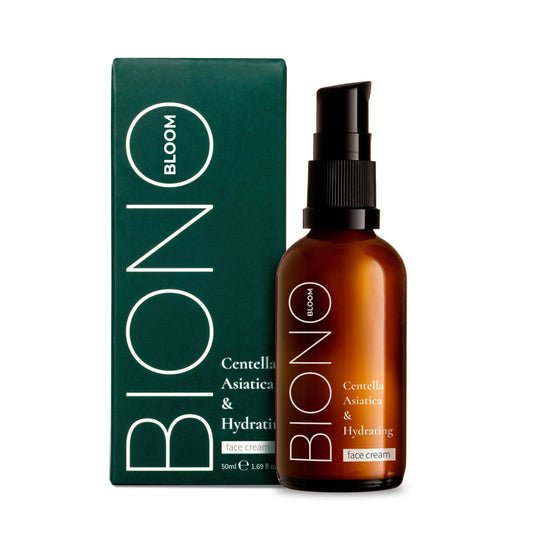
A good cream for sensitive skin should contain soothing ingredients, such as allantoin, bisabolol, chamomile extract, Centella asiatica, and the aforementioned panthenol. These substances have anti-inflammatory effects, soothe irritation, and support the skin's regenerative processes. Additionally, formulas for sensitive skin are often enriched with thermal mineral waters, which provide microelements and further enhance the soothing effect of the product.
People with very sensitive skin should remember a few rules when choosing and using a dermatological cream:
- Always perform an allergy test on a small patch of skin before full use.
- Choose products labeled as hypoallergenic and dermatologically tested.
- Avoid frequently changing cosmetics—sensitive skin needs stability.
- Apply products in the correct order, from the lightest consistencies to the densest.
- Apply creams with gentle movements, without rubbing or stretching the skin.
- Consult a dermatologist if skin problems persist.
- Remember daily sun protection adapted for sensitive skin.
Patience and consistency are key for sensitive skin. The effects of using a dermatological cream appear gradually, but they are more lasting and stable than with aggressive treatments or quick fixes promising immediate results.
Dermatological cream for acne
Acne is one of the most common skin conditions affecting both adolescents and adults. The fight against imperfections is often long and frustrating, and effective results require consistency and proper product selection. A dermatological cream designed for acne-prone skin contains ingredients that comprehensively address various aspects of the problem—regulating sebaceous glands, acting antibacterial, soothing inflammation, and preventing pore clogging.
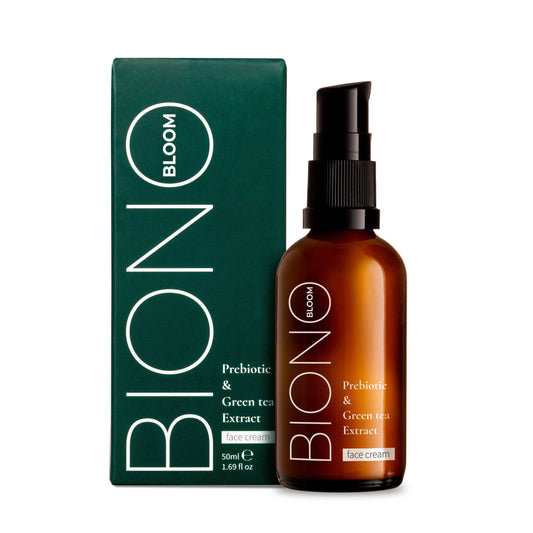
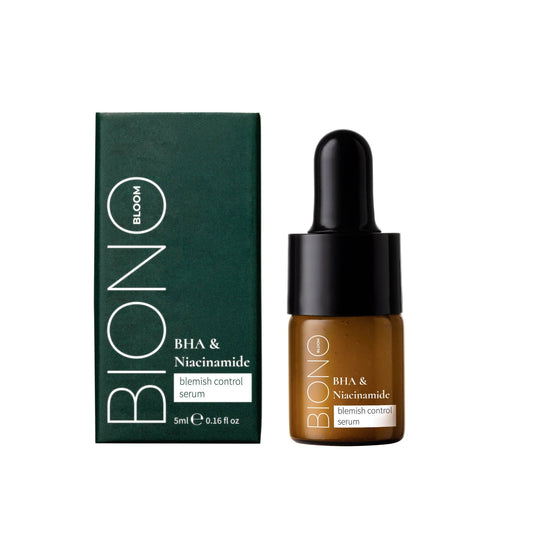
The most commonly used ingredients in acne creams are salicylic acid (BHA), which deeply cleanses pores and exfoliates dead skin cells. It is lipophilic, meaning it dissolves in fat, allowing it to effectively penetrate sebum-filled pores. Niacinamide regulates sebum production and reduces the visibility of pores, while zinc has strong antibacterial and anti-inflammatory properties. Creams containing tea tree extract and green tea, which act in a more natural way, are also becoming increasingly popular.
Using a dermatological cream for acne requires patience and regularity. The first effects usually become visible after 4–6 weeks of systematic use, and full improvement of skin condition takes several months. It is important not to combine too many strong ingredients at once, as this can lead to excessive skin dryness and a counterproductive reaction. The best strategy is to gradually introduce actives and carefully observe the skin's reaction to each new element of care.
How to properly use a dermatological cream
The effectiveness of any cosmetic depends not only on its composition but also on the application technique and its place in the daily skincare routine. A dermatological cream should be applied to clean, slightly damp skin after toning and serum application, if used. A small amount of product, the size of a pea, is usually sufficient to cover the entire face. A larger amount will not increase effectiveness and may burden the skin and hinder the absorption of active ingredients.
Apply the cream with gentle movements, preferably patting it into the skin with your fingertips, rather than rubbing or stretching. Spread the product from the center of the face outwards, reaching up to the earline and hairline. Do not forget about the neck and décolleté, which also require proper care. Before applying subsequent layers of cosmetics, wait 1–2 minutes for the dermatological cream to absorb properly and begin its action.
When using a cream with active ingredients, such as retinol or acids, gradually introduce the product into your routine. Start once a week, observing the skin's reaction, and then increase the frequency. Remember to use high sun protection daily, especially when using active formulas that can increase the skin's sensitivity to UV radiation. Neglecting this step can lead to discoloration and accelerate the aging process.
How to choose the right dermatological cream for you
Choosing the right dermatological cream should begin with a thorough analysis of your skin's needs and the problems you are facing. Consulting a dermatologist is the surest way to choose the right product, as a specialist will assess the skin's condition and suggest a preparation tailored to the specific situation. In less complicated cases, valuable advice can also be obtained from a pharmacist in a specialized pharmacy, who is familiar with the range of available dermocosmetic brands.
The second important aspect is a detailed analysis of the product's composition. Familiarize yourself with the key active ingredients and make sure that the formula does not contain substances to which you are allergic or which have not worked well with previous cosmetics. The ingredient list (INCI) on the packaging is ordered by decreasing concentration, so what appears at the beginning is present in the largest amount. A good dermatological cream should contain active substances high on the list, not at the very end.
The third element is matching the product's texture to your skin type and the season. Light gel-creams will work well for oily and combination skin, while richer textures with a higher oil content will be better for dry and mature skin. In summer, choose lighter formulas that will not burden the skin on warm days, and in winter, reach for more occlusive creams that protect against wind and frost. Also, remember the expiration date and the period after opening the product, indicated by the PAO symbol—for dermocosmetics, it is usually 6–12 months.
Summary: dermatological cream as an ally for healthy skin
Specialized dermocosmetics constitute a valuable category of products that fills the gap between standard care and pharmacological treatment. Dermatological cream helps in daily coping with various skin problems, from acne, through atopic dermatitis, to discoloration and hypersensitivity. Thanks to precisely selected active ingredients, minimization of potentially irritating substances, and scientifically confirmed effectiveness, such products have gained the trust of both specialists and consumers worldwide.
The key to success in dermatological care is patience, consistency, and an individualized approach. Every skin is different and requires specific products to be matched to its current needs. Consultation with a dermatologist, conscious cosmetic selection, and proper application technique are the foundations of an effective routine. Investing in a good dermatological cream is an investment in healthy and beautiful skin, which will pay off in terms of improved condition, better well-being, and greater self-confidence in everyday life.