
Eye cream – the secret to a fresh and youthful look
A look says more than a thousand words – and it's the eye area that first reveals fatigue, stress, and the passage of time. The thin skin around the eye sockets, devoid of sebaceous glands, ages faster than any other part of the face, reacting with puffiness, shadows, and fine lines before we even realize it. A well-chosen eye cream is not a luxury expense but a conscious skincare decision that protects one of the most important areas of the face for years.
Eye creams – how they differ from regular face cream
Eye creams are products developed with the specific characteristics of the skin around the eye sockets in mind – their formulas are lighter, more delicate, and free from ingredients that could irritate the conjunctiva or cause swelling. A regular face cream, even one of very good quality, can be too rich or too active for such thin and irritation-prone skin. Using a dedicated product is not a marketing gimmick but a logical response to the anatomical and physiological differences of this area.
The skin around the eyes is three to five times thinner than the skin on the cheek and lacks sebaceous glands, which would naturally moisturize its surface. This means it loses water faster, is more susceptible to free radical damage, and shows signs of aging earlier – wrinkles, puffiness, and dark circles under the eyes. Moreover, the orbicularis oculi muscle works continuously – every blink, smile, and squint performs several thousand micro-movements daily, which further accelerates the formation of expression lines and requires the use of preparations with particular lightness and elasticity.
A professionally formulated eye cream takes all these conditions into account: it is moisturizing enough to compensate for the lack of sebum, light enough not to cause puffiness, and active enough in its composition to genuinely affect skin structure. It is a product that works differently from a face cream – and that is precisely why they should not be used interchangeably.

Anti-wrinkle eye cream – key active ingredients
Anti-wrinkle eye cream is effective when it contains appropriately selected active ingredients capable of genuinely changing the skin's structure. Hydration alone is not enough – effective products combine several mechanisms of action simultaneously: they stimulate collagen and elastin production, smooth the epidermis, neutralize free radicals that accelerate aging, and support the skin's natural ability to regenerate. It is worth reading the ingredients and understanding what we are buying, as the differences between products can be huge – both in terms of composition and price.
The most important ingredients in anti-wrinkle eye creams include:
- Retinol – stimulates collagen synthesis and accelerates cell renewal; use cautiously, starting with low concentrations, preferably in the evening
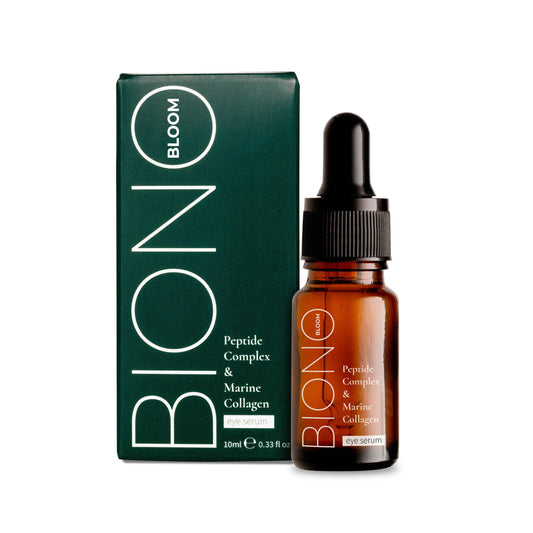
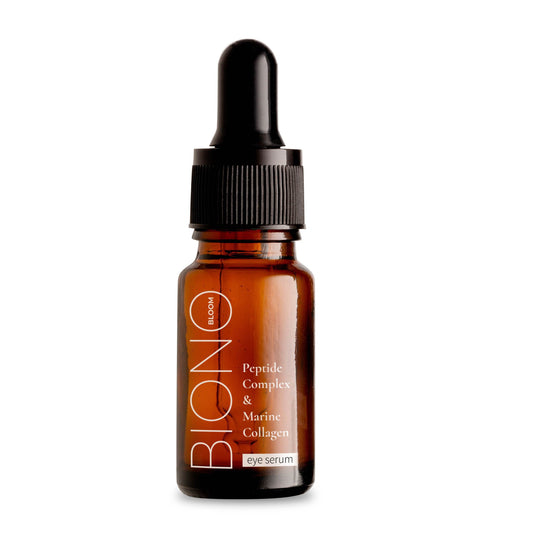
- Peptides – signal the skin to produce collagen; gentle and effective even on sensitive skin, without the risk of irritation
- Vitamin C – brightens discolorations, reduces shadows, and acts as an antioxidant, protecting against the harmful effects of UV radiation
- Caffeine – constricts blood vessels, reduces puffiness and visible dark circles under the eyes within minutes of application
- Ceramides – rebuild the hydrolipid barrier and prevent transepidermal water loss, restoring skin softness
- Niacinamide – evens out skin tone, reduces discolorations, and strengthens delicate capillaries, minimizing the formation of dark circles
- Coenzyme Q10 – a strong antioxidant naturally present in the skin; its level decreases with age, and external supplementation slows down the loss of elasticity
Knowledge of these ingredients allows for conscious product comparison and choosing those that genuinely meet specific needs. If wrinkles are the main problem, look for retinol or peptides; if dark circles – opt for caffeine and vitamin C; if dryness – ceramides and hyaluronic acid will be a priority. It is also worth paying attention to the order of ingredients on the INCI list – the higher an active ingredient is listed, the higher its concentration in the formula.
Eye cream with hyaluronic acid – hydration in deeper layers
Eye cream with hyaluronic acid is one of the most frequently chosen variants – and for good reason. Hyaluronic acid is a substance naturally present in the skin, capable of binding water in quantities many times its own weight. In a product intended for the eyes, it works twofold: it immediately moisturizes the epidermis and improves its appearance, and with regular use, it affects deeper layers of the skin, filling in fine lines from within and restoring the skin's volume lost with age.
It is worth knowing that hyaluronic acid in cosmetics comes in different molecular weights, which is crucial for its action. Low molecular weight molecules penetrate deeper and work structurally, while large molecules create a moisturizing and protective film on the skin's surface. The best eye creams with hyaluronic acid combine both fractions – providing both an immediate moisturizing effect and long-term smoothing action. Increasingly, hydrolyzed hyaluronic acid also appears in formulations – its fragments penetrate into deeper skin layers and stimulate fibroblasts to produce their own hyaluronic acid, which prolongs the moisturizing effect.
People with dry and dehydrated skin will particularly benefit from using eye cream with hyaluronic acid – after just a few days of application, the skin becomes more elastic, fine lines are less visible, and the eye area gains freshness. However, it is important to apply the product to slightly damp skin, because hyaluronic acid acts like a sponge: if the environment is too dry, it can draw water from deeper layers instead of from the air, which can paradoxically dry out the skin in low humidity.
Eye cream reducing signs of fatigue – what really works
Eye cream reducing signs of fatigue is a category of products aimed at people who struggle with puffiness, dark circles, and a dull skin tone after a sleepless night or an intense day. These types of preparations often contain cooling, draining, and microcirculation-stimulating ingredients – which means the effect is noticeable within minutes of application. This is an ideal solution for everyday use as well as before important meetings, when we want to look fresh regardless of the circumstances.
In creams reducing signs of fatigue, you will most often find:
- Caffeine – constricts blood vessels and reduces puffiness within minutes of application
- Aloe vera – cools, soothes irritation, and instantly moisturizes dry, tired skin
- Green tea – a powerful antioxidant that reduces the appearance of dark circles and soothes tired tissue
- Vitamin E – protects against free radicals and supports epidermal regeneration during night rest
- Cucumber oil – known for its refreshing and brightening effect on the eye area, light and fast-absorbing
- Menthol – gives an immediate cooling sensation and stimulates microcirculation, reducing the visibility of puffiness
It is best to start using a cream that reduces signs of fatigue with a chilled product – a few minutes in the refrigerator significantly enhances the draining and anti-swelling effect. Many users also recommend the technique of gentle lymphatic drainage during application: from the inner corner of the eye towards the temple, without stretching the skin. You can also use chilled spoons or special metal eye massagers, which enhance the action of the active ingredients contained in the cream.
It is worth remembering that a fatigue-reducing cream is primarily a temporary solution – if puffiness and dark circles appear regularly, it is worth looking into the causes: lack of sleep, excessive salt intake, allergies, or circulatory problems. A good eye cream alleviates symptoms, but it cannot replace a healthy lifestyle and adequate rest.

Eye cream reviews – how to read reviews and not be misled
Eye cream reviews online are one of the main sources of information when making a purchase, but they require critical reading. The skin around the eyes reacts very individually – a product that was revolutionary for one person may have no effect or cause irritation for another. Therefore, it is worth looking for reviews from people with similar skin types and similar problems, and not relying solely on general star ratings, which can be misleading and often do not reflect the full picture of the product's effectiveness.
When analyzing eye cream reviews, pay attention to several key issues:
- The reviewer's stated period of use – the effects of anti-wrinkle creams are usually visible after a minimum of 4–6 weeks of regular use
- The reviewer's skin type – dry, combination, and sensitive skin react completely differently to the same ingredients
- Specific ingredients that led to the product's success or failure
- Whether the review comes from a confirmed purchase, and not from an advertising campaign or brand collaboration
- Conditions of use – regularity of application and application method have a huge impact on the final effect
- Whether the author indicates specific effects – e.g., reduction of dark circles, smoothing of wrinkles, reduction of puffiness – or writes generally
The most reliable reviews can be found on platforms with verified purchases or in beauty communities, where users share honest reports after prolonged use. One week of testing an eye cream is definitely too short to assess its anti-wrinkle effects – arm yourself with patience and consistency, and the results will come naturally.
How to properly apply eye cream
Even the best eye cream will have weaker effects if applied incorrectly. The skin around the eyes is delicate and prone to mechanical damage – vigorous rubbing of the product can lead to tissue stretching and accelerate the formation of wrinkles. The application technique is an element of care that is rarely described on the packaging, yet it has a huge impact on the final effect and comfort of use.
The correct technique for applying eye cream is as follows:
- Apply a small amount of product – the size of a grain of rice – to the ring fingertips of both hands
- Gently pat the cream along the orbital bone, from the inner corner outwards
- On the upper eyelid, apply the product from the center towards the temple, very gently, without pressure
- Do not rub – instead, lightly press with your fingertips, allowing the skin to absorb the cream on its own
- Avoid the direct lash line and eye mucosa – too close application can cause stinging
- After application, leave the product for a few minutes before applying subsequent skincare steps or makeup
It is recommended to use eye cream twice a day – in the morning and in the evening, after cleansing the face and before other stages of skincare. In the morning, the product creates a protective base under makeup and concealers, while in the evening, it intensively regenerates the skin during sleep, when the body's repair processes are most effective. If using different products – serum and cream – apply the lighter consistency first, and the richer cream last.
Many dermatologists also recommend a gentle massage of the eye area during application: precise tapping with fingertips along the orbital bone stimulates lymphatic circulation and helps active ingredients penetrate deeper into the skin. These are a few extra seconds that make a real difference in the results of even the cheapest eye cream.
When to start using eye cream and how to choose it for your age
The question of the age at which to start using eye cream comes up very often – and the answer may surprise you. Dermatologists and cosmetologists agree that preventive care for this area should begin in one's early twenties, long before the appearance of the first wrinkles. Earlier moisturizing and protection against external factors significantly slow down the aging process and reduce the need for more aggressive treatments in later decades.
Choosing an eye cream based on age and skin needs is as follows:
- 20–30 years old – light moisturizing formulas with hyaluronic acid and antioxidants; emphasis on prevention and UV protection
- 30–40 years old – creams with peptides and retinol in low concentrations; addressing the first expression lines and loss of elasticity
- 40–50 years old – richer formulas with higher concentrations of retinol, ceramides, and lifting and firming ingredients
- 50+ – intensive regenerating creams with an active complex: peptides, retinol, hyaluronic acid, ceramides, and coenzyme Q10
Remember that the biological age of the skin does not always correspond to chronological age – people with an active outdoor lifestyle, smokers, or those living under significant stress may need stronger care earlier than their peers. Listen to your skin and react to its current needs, not just what the number on your ID says.
Ingredients to avoid in eye creams
The cosmetic market offers hundreds of eye creams, and not all of them are equally safe for this sensitive area. Some ingredients commonly used in cosmetics can cause irritation, swelling, and even allergic reactions when applied around the eyes – especially in people with sensitive skin or a tendency to allergic reactions. Conscious reading of labels is a skill that can protect against many unpleasant surprises.
Ingredients to watch out for when choosing an eye cream:
- Strong fragrances and perfuming agents – the most common culprit for irritation and contact allergies around the eyes
- High content of ethyl alcohol – dries out and damages the hydrolipid barrier, especially harmful for dry skin
- Parabens in high concentrations – although controversies surrounding them persist, people with allergies should avoid them
- Strong exfoliating acids (AHA/BHA) in high concentrations – can irritate and cause hypersensitivity of the skin around the eyes
- Sodium lauryl sulfate (SLS) – rarely appears in eye creams, but it's worth eliminating from your routine
- Artificial colorants – an unnecessary additive that only increases the risk of irritation
It's also worth paying attention to packaging formats – pumps and tubes with a narrow applicator are more hygienic than jars into which we dip our fingers. In eye creams, application hygiene is particularly important because bacteria from fingers can reach the vicinity of the eyes, which is an additional risk factor for sensitive skin or a tendency to irritation.
Eye cream and makeup – how to combine skincare with makeup
Daily eye makeup – concealer, eyeshadow, eyeliner, and mascara – puts a significant burden on the already delicate skin around the eye sockets. Regular application and removal of colored cosmetics, especially waterproof products, irritates the epidermis and accelerates its aging. That's why eye cream consistently used in the morning not only forms a moisturizing base but also a protective layer that minimizes mechanical damage during application and makeup removal.
To best combine eye area care with daily makeup, it's worth remembering a few rules:
- Apply eye cream at least 5–10 minutes before applying concealer or foundation, so it can absorb and not clump products
- Avoid creams that are too rich or oily under makeup – they can cause streaks and concealer to slide off
- Before removing makeup, apply a small amount of micellar water or oil to the eye area – this will reduce friction and protect the skin
- Use cotton swabs or soft pads for makeup removal, always with gentle, vertical movements without rubbing
- Apply evening eye cream always after thoroughly cleansing the face of all traces of makeup
Eye creams with light pigmentation or illuminating particles are also becoming increasingly popular – they simultaneously care for and visually brighten the under-eye area, reducing the need to apply a thick layer of concealer. This is a 2-in-1 product that will be particularly appreciated by those who prefer natural, minimal makeup for everyday wear.
Summary: eye cream as the foundation of facial skincare
The skin around the eyes deserves more attention than we usually give it – and eye cream is the simplest way to show it that attention. Regularly used preparations with hyaluronic acid, caffeine, peptides, or retinol work on many levels simultaneously: they moisturize, smooth, brighten dark circles, and protect against further loss of elasticity. This is a product whose effects build up with each subsequent week of use and become increasingly noticeable over time.
A conscious choice of eye cream – based on knowledge of ingredients, understanding your own needs, and patient observation of effects – is the best way to achieve a beautiful, healthy look regardless of age. Don't wait for the first wrinkles to appear, don't be guided solely by price or advertising – start with a small jar, a proven formula, and systematic application. Because in eye area care, consistency always wins over episodic enthusiasm.