
Natural Home Fragrances: Your Home Deserves More
In an era of growing environmental awareness and health concerns, natural home fragrances are becoming not only a trend but a necessity for those seeking to create a safe living space. More and more research indicates the negative impact of synthetic fragrances on our health, so choosing safe home fragrances should be a priority for every conscious person. In this comprehensive guide, you'll discover how to recognize truly natural products, which ingredients are safest for your health, and how to create long-lasting home fragrances that are both ecological and effective.
What Are Natural Fragrances for Homes and Why Are They Important?
Natural home fragrances are aromatic compositions created exclusively from plant essential oils, botanical extracts, and other naturally derived ingredients, without the addition of synthetic fragrances. Unlike mass-produced air fresheners, which contain hundreds of artificial chemicals, truly natural products are based on pure ingredients extracted from flowers, herbs, roots, resins, and fruits. This fundamental difference is crucial for our health and well-being.
The main benefits of using natural fragrances for your home:
- No harmful chemicals such as phthalates, parabens or formaldehyde
- Therapeutic properties of natural essential oils
- Safety for children, allergy sufferers and people with respiratory problems
- Positive impact on mental and emotional well-being
- Support for sustainable development and environmental protection
- Multi-dimensional fragrance profiles that naturally evolve over time
- Possibility of personalization and creation of your own compositions
The importance of safe home fragrances goes far beyond aesthetics and sensory pleasure. Scientific studies clearly show that many popular synthetic fragrances contain phthalates, benzene, formaldehyde, and other volatile organic compounds, which can cause allergies, asthma, headaches, hormonal imbalances, and, with prolonged exposure, even increase the risk of serious illness. Children, pregnant women, and those with respiratory problems are particularly at risk. Therefore, choosing natural products is an investment in the health of the entire family.
The modern market offers many products advertised as "natural" or "ecological," but the reality often differs significantly from marketing promises. True natural home fragrances should have transparent ingredients, be certified organic, and come from manufacturers who use transparent production methods. It's worth learning to read labels and recognize authentic products to consciously create a safe, chemical-free atmosphere in your home.

How to Recognize Truly Safe Home Fragrances
Recognizing authentic natural products requires some knowledge and vigilance, as the cosmetics and fragrance industry isn't strictly regulated regarding the use of terms like "natural" or "organic." The first step is a thorough analysis of the product's ingredients. Safe home fragrances should clearly list all ingredients, ideally using the Latin botanical names of the plants from which the essential oils were extracted. If the label displays the generic term "fragrance" or "parfum" without further details, it's a red flag.
Basic rules for recognizing natural products:
- Full list of ingredients with Latin botanical names of plants
- The presence of ecological certificates and quality standards
- No general terms such as "fragrance composition" or "parfum"
- Transparent information about oil extraction methods
- Clear indication of the percentage of natural ingredients
- A realistic price corresponding to the production costs of natural oils
- Information about the origin of raw materials and cultivation methods
- Product expiration date – natural ingredients have a limited shelf life
Certifications and quality standards are another important indicator of authenticity. It's worth looking for products with internationally recognized certifications, which guarantee the natural origin of ingredients and eco-friendly production methods. Authentic, natural home fragrances are often more expensive than synthetic counterparts, due to the costly process of extracting essential oils—it takes up to four tons of rose petals to produce one liter of rose oil. A low price should raise suspicions.
A fragrance's characteristics can also reveal much about its authenticity. Natural compositions have a more complex, multifaceted scent profile that changes over time and can be more subtle than synthetic counterparts. Essential oils exhibit natural variations depending on the source of the raw material, the season of harvest, and growing conditions. If a product smells identical in every batch, with an intensity reminiscent of artificial fragrances, it likely contains synthetic additives. Long-lasting home fragrances can be natural, but their intensity should be more subtle and develop harmoniously.
The Best Natural Ingredients for Healthy Home Fragrancing
Choosing the right natural ingredients is crucial to creating safe home fragrances. Citrus essential oils—orange, bergamot, and tangerine—are among the safest and most versatile, as they are well-tolerated by most people, even those prone to allergies. Additionally, they possess natural antiseptic and stimulating properties, making them an ideal choice for living spaces and kitchens. Cold-pressed citrus oil extraction ensures the highest quality and preserves all of their therapeutic properties.
Categories of natural ingredients by properties:
Oils with a relaxing effect:
- Lavender – a universal calming agent, safe for most people
- Roman Chamomile – gently soothing, ideal for sensitive skin
- Ylang-ylang – balsamic notes, stress reduction
- Sandalwood – a meditative, grounding aroma
- Neroli – floral elegance, relieving tension
Energizing and cleansing oils:
- Sweet orange – joy and optimism
- Lemon – clarity of thought, purification of the air
- Grapefruit – metabolism stimulation
- Peppermint – freshness and alertness
- Rosemary – concentration and memory
Oils with antiseptic properties:
- Eucalyptus – respiratory support
- Tea tree – strong antibacterial effect
- Pine – refreshment and cleansing
- Thyme – natural disinfection
- Fir – forest freshness and purity
Lavender and chamomile oils are classic safe aromatizers, valued for centuries for their soothing properties. True lavender oil is one of the safest essential oils, even safe for use in children's rooms. Natural home fragrances based on lavender not only calm and promote sleep but also exhibit antibacterial properties and can soothe nervous tension. Chamomile, especially the Roman variety, is exceptionally gentle and suitable for those with sensitive skin and respiratory systems.
Woody and resinous oils—cedarwood, sandalwood, and frankincense—create long-lasting home fragrances with a deep, meditative character. These compositions not only last long in a space but also exhibit grounding and calming properties, ideal for a relaxing space. Resins such as styrax and benzoin act as natural fragrance fixatives, extending the fragrance's longevity without the need for synthetic fixatives. However, it's important to remember that some woody oils can be intense, so it's best to use them in lower concentrations.

Practical Ways to Use Natural Fragrances in Your Home
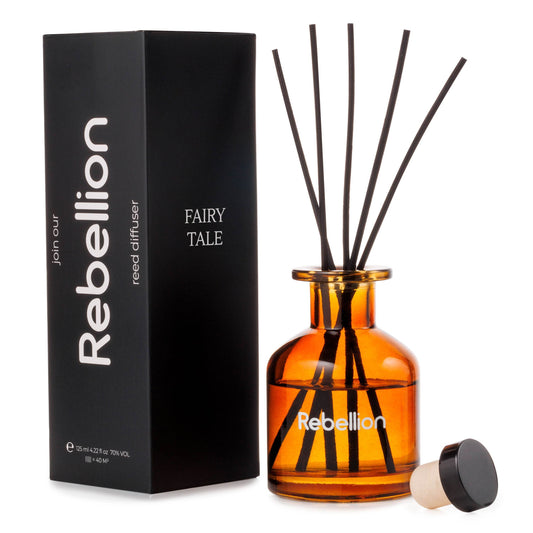
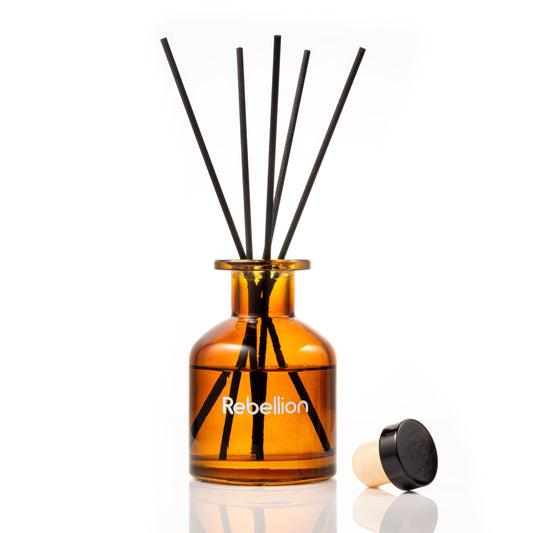
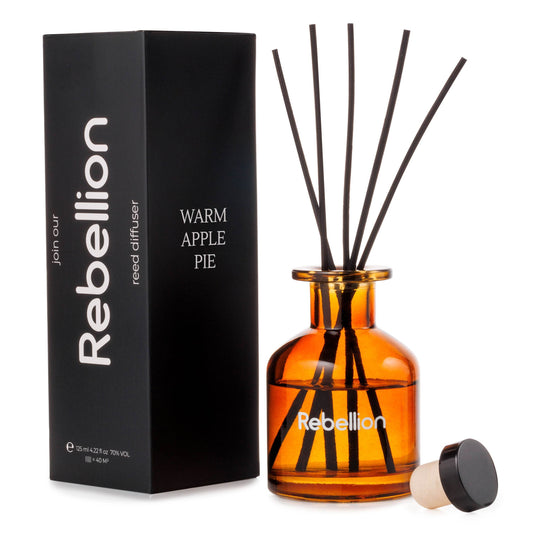
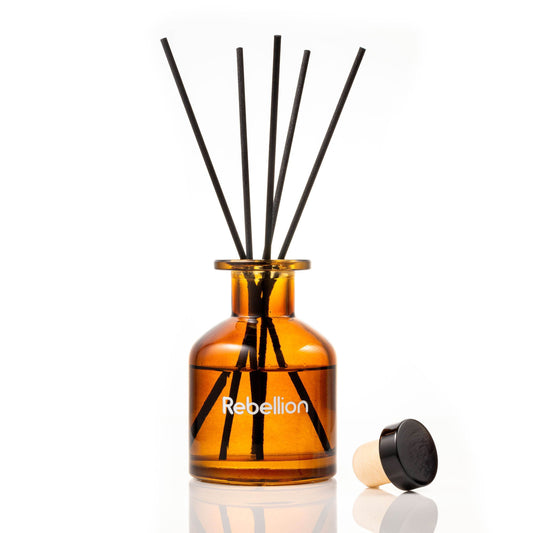
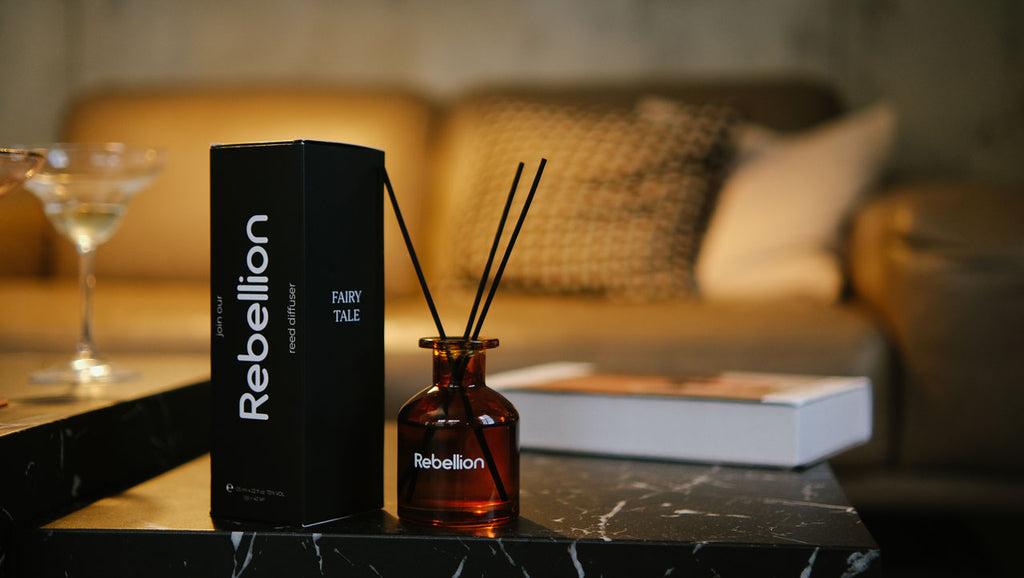
Natural fragrances can be introduced into your home in many different ways, each with its own unique benefits and applications. Choosing the right method depends on the room, the season, your aromatic needs, and your personal preferences. Diffusers with reeds are the most popular option, offering continuous, gentle fragrance without the need for intervention. They operate 24 hours a day, automatically distributing fragrance throughout the space. They are ideal for living rooms, bedrooms, or hallways, where you want to maintain a constant, pleasant aroma.
The most popular natural flavoring methods:
Diffusers with sticks:
- Continuous fragrance release without the use of electricity
- Possibility to adjust the intensity by the number of sticks
- Durability: 2 to 6 months depending on quality
- Elegant appearance as a decorative element
- Safety - no fire or electrical devices
Aroma fireplace (catalytic lamp):
- Intensive air purification and aromatization
- Neutralizing unpleasant odors, not just masking them
- Efficiency in larger spaces
- Rapid spread of aroma
- Requires supervision during use.
Ultrasonic diffusers:
- Combining aromatherapy with air humidification
- Perfect for the heating season
- Possibility to add different oils every day
- Quiet operation and aesthetic appearance
- Automatic shutdown for safety
Natural bags and potpourri:
- Subtle, long-lasting aromatization
- Perfect for wardrobes, drawers, cars
- Can be refreshed multiple times with oils
- Ecological and fully biodegradable
- A visually attractive decorative element
You can also introduce safe scents into your home with candles made from natural waxes—soy, beeswax, or coconut—with the addition of essential oils instead of synthetic fragrances. These candles not only smell beautiful but also purify the air and create a unique, cozy atmosphere. Natural home fragrances in the form of candles are especially popular during the fall and winter seasons, when their warm light and aroma add a cozy touch to the home.
Seasonal aromatization is another practical aspect of using natural fragrances. In spring, we focus on fresh, floral compositions with notes of lily of the valley, jasmine, or green tea. In summer, we choose refreshing citrus and mint. In autumn, we reach for warm spices – cinnamon, cloves, and vanilla. In winter, we prefer intense, cozy woody and resinous aromas. This rotation not only diversifies the atmosphere of the home but also harmonizes our space with the rhythm of nature.
DIY: Creating Your Own Natural Fragrances for Your Home
Making your own natural fragrances is not only a cost-effective solution, but above all, it guarantees complete control over the product's composition and safety. The easiest way to create safe fragrances for your home is to prepare a diffuser with reeds, using an alcohol base or carrier oil. Add 20-30 drops of your chosen essential oils to 100 ml of anhydrous alcohol (minimum 70%), stir gently, and pour into a narrow-necked glass bottle. This blend will last for 2-3 months, and its intensity can be adjusted by using the number of bamboo reeds.
Basic recipes for homemade diffusers:
Alcohol-based relaxation diffuser:
- 100 ml of anhydrous alcohol (70-90%)
- 15 drops of lavender oil
- 10 drops of sandalwood oil
- 5 drops of vanilla oil
- 8-10 bamboo sticks
Oil-Based Energizing Diffuser:
- 100 ml fractionated coconut oil
- 15 drops of lemon oil
- 10 drops of grapefruit oil
- 8 drops of rosemary oil
- 2 drops of vitamin E
- 8-10 bamboo sticks
Air purifying diffuser:
- 100 ml of alcohol or carrier oil
- 12 drops of eucalyptus oil
- 10 drops of pine oil
- 8 drops of lemon oil
- 5 drops of tea tree oil
For those who prefer alcohol-free solutions, oil-based diffusers are the ideal choice. Fractionated coconut oil or light almond oil can be used as a base, as they don't go rancid and carry the aroma well. Add 30-40 drops of essential oils to 100 ml of oil. Natural home fragrances created with an oil base are more long-lasting and intense, although they require more frequent rotating of the reeds. You can also add a few drops of vitamin E as a natural preservative, which will extend the life of the fragrance.
An alternative solution is homemade fragrance bags and potpourri. Dried lavender flowers, rose petals, mint leaves, citrus peels, and cinnamon sticks placed in a linen bag create a subtle, long-lasting source of natural aroma. You can enhance them with a few drops of essential oils, which will intensify the scent and refresh the composition. Such bags are ideal for closets, cars, and small rooms. They are a perfect example of long-lasting home fragrances that are completely safe, eco-friendly, and can be refreshed repeatedly.

Long-Lasting Natural Home Fragrances – Aroma Preservation Methods
One of the greatest challenges in the world of natural fragrance is achieving fragrance longevity without the use of synthetic fixatives. Natural home fragrances are often perceived as less long-lasting, but with the right knowledge and techniques, you can create compositions that last just as long as their synthetic counterparts. The key is understanding the olfactory pyramid and utilizing natural fixatives. Essential oils are divided into top notes (volatile, fresh scents like citrus), middle notes (floral, herbal), and base notes (heavy, persistent notes like sandalwood or patchouli).
Natural fragrance fixatives and their properties:
- Sandalwood – a creamy, warm fixative with a grounding effect
- Vetiver – an earthy, deep aroma that prolongs the shelf life
- Patchouli – an intense, oriental fixative with calming properties
- Cedar – a wood fixer that adds masculine elegance
- Benzoin – a sweet, vanilla-like resinous fixative
- Styrax – a balsamic, warm fixative with a medieval character
- Labdanum – a resinous, leathery aroma that prolongs the composition
- Olibanum (frankincense) – a mystical resin fixative
To create long-lasting home fragrances with a natural composition, base the composition on carrier oils, which act as natural fixatives. Sandalwood, cedar, vetiver, patchouli, and resins like styrax and benzoin naturally evaporate more slowly and "hold" lighter notes. The ideal proportions are around 20-30% base notes, 40-50% middle notes, and 20-30% top notes. This structure ensures both an interesting, fresh opening and a long-lasting aroma in the space.
Temperature and application method also significantly impact longevity. Safe home fragrances work best at room temperature, as excessively high temperatures accelerate the evaporation of volatile ingredients. Diffusers with reeds should be placed away from heat sources and direct sunlight. It's also worth using the "layering" technique—placing compatible fragrances in different areas of the room, reinforcing each other and prolonging their presence. Regularly flipping the reeds (every 2-3 days) refreshes the composition and ensures a continuous release of the fragrance.
Natural Home Fragrances for Allergy Sufferers and Children
People with allergies, asthma, and small children require special caution when choosing fragrance products. Even natural home fragrances can contain allergens such as linalool or limonene, which are natural components of many essential oils. For allergy sufferers, the safest oils are those with simple compositions and low allergenic potential. These include Roman chamomile, lavender (in low concentrations), frankincense, and mandarin. Highly concentrated oils and those containing high terpenes, such as pine or juniper oil, should be avoided.
Rules for safe use for sensitive individuals:
- Always do a patch test before using a new oil for the first time.
- Start with minimal concentrations and observe your body's reactions.
- Air the rooms regularly, even when using natural fragrances.
- Avoid using too many different fragrances at once
- If you experience any discomfort, discontinue use immediately.
- Choose single-component oils instead of complex compositions
- Store oils in a dark, cool place out of reach of children.
- Consult a doctor before use in people with serious health problems
In children's rooms, safety is an absolute priority. Safe home fragrances for babies and toddlers should be used in much lower concentrations – no more than half the standard adult dose. The best choices are very mild oils: lavender, Roman chamomile, mandarin, and vanilla (natural extracts, not synthetic ones). Oils containing menthol, camphor, and eucalyptol should be completely avoided in children under six, as they can cause laryngeal spasms. It's also a good idea to avoid constantly scenting a child's room, and only use fragrances periodically.
For allergy sufferers, single-component oils are an excellent solution, rather than complex compositions, which make it easier to identify potential allergens. Long-lasting home fragrances for sensitive individuals can be created primarily using carrier oils with a low allergenic potential, such as sandalwood or benzoin, which are well-tolerated and provide a long-lasting, subtle aroma. Natural home fragrances in this form are not only safe but also elegant and effective.
Natural vs. Synthetic Fragrances – Truths and Myths
There are many myths and misconceptions surrounding natural home fragrances that are worth clearing up. The first popular myth is that everything natural is always safe. This is false – some natural substances can be toxic, allergenic, or irritating in inappropriate concentrations. Essential oils are highly concentrated plant extracts and must be used with caution. For example, natural bitter almond oil contains cyanide, and bergamot oil can cause skin photosensitivity. Safe home fragrances, even natural ones, require proper knowledge of the properties and limitations of individual ingredients.
Key differences between natural and synthetic fragrances:
Origin and composition:
- Natural: plant extracts, hundreds of active ingredients
- Synthetic: laboratory-made fragrance molecules, often a single compound
Impact on health:
- Natural: safer, therapeutic properties
- Synthetic: potentially toxic, may cause allergies and hormonal problems
Fragrance quality:
- Natural: multidimensional, changing over time
- Synthetic: flat, one-dimensional, always identical
Durability:
- Natural: subtle, requiring appropriate composition techniques
- Synthetic: intense, long-lasting thanks to chemical fixatives
Price:
- Natural: more expensive due to expensive extraction
- Synthetic: cheap to mass produce
Environmental impact:
- Natural: biodegradable, sustainable
- Synthetic: persistent in the environment, difficult to decompose
The second myth concerns effectiveness – many people believe that synthetic fragrances are stronger and longer-lasting than natural ones. Indeed, synthetic fragrance molecules can be designed to maximize intensity and longevity, but at the expense of safety and aroma complexity. Truly long-lasting home fragrances can also be created from natural ingredients, using the right proportions and blending techniques. Natural fragrances have the advantage of being multidimensional – they evolve over time, revealing different notes, whereas synthetics are often one-dimensional.
Myth three assumes that products advertised as "inspired by nature" or containing "natural ingredients" are as good as fully natural ones. This is misleading marketing-speak – a product can contain 1% natural oil and 99% synthetic additives and still use such terms. True natural home fragrances should be 100% natural, preferably with a certificate confirming the authenticity of the ingredients. Therefore, reading labels and seeking transparent ingredient information is absolutely crucial when choosing safe fragrance products.
Summary – Conscious Choice of Natural Fragrances for Your Home
Choosing natural fragrances for your home is a decision that goes far beyond aesthetics or sensory pleasures. It's a conscious step towards a healthier lifestyle, protecting our bodies from harmful chemicals, and taking responsibility for the quality of the air we breathe in our homes. Safe home fragrances based on authentic essential oils and plant extracts offer not only beautiful aromas but also therapeutic properties that positively impact our bodies and minds. By investing in truly natural products, we promote respiratory health, hormonal balance, and overall well-being for the entire family.
The path to natural home fragrance may seem complicated, but armed with the right knowledge, we can make informed purchasing decisions and even create our own personalized compositions. Long-lasting home fragrances don't have to contain synthetic fixatives – nature offers a wealth of ingredients that ensure long-lasting aromas in a safe way. Remember to read labels, look for certifications, support transparent producers, and – if possible – create your own fragrance compositions. Natural home fragrances are not just a trend, but the future of conscious home fragrance, combining pleasure, safety, and respect for the environment into one harmonious whole.