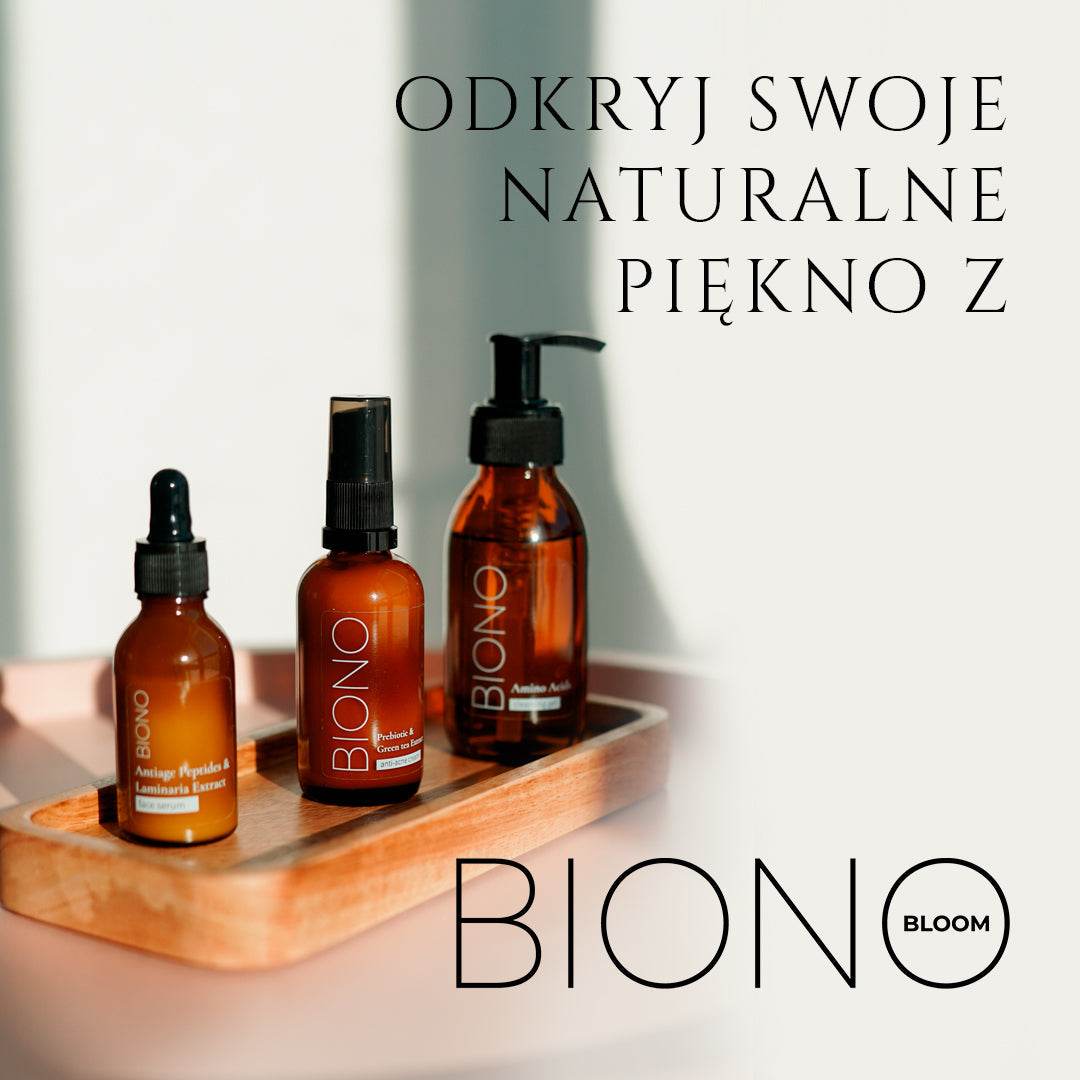

Natural face cream: choice and care
Modern skincare is experiencing a true revolution – more and more people are consciously choosing natural cosmetics. Natural face cream is not just a fashionable trend, but above all, a responsible decision for the health of our skin and the environment. In this article, we'll discuss in detail why it's worth considering natural cosmetics, how to choose the right creams, and which ingredients actually work to benefit your skin.
Why Natural Skin Care Is Gaining Popularity
The shift to natural skincare products is no accident, but a logical response to the growing number of allergic reactions caused by synthetic ingredients. Natural face creams contain plant-based ingredients that gently interact with the skin without disrupting its natural balance. Research shows that the skin better absorbs ingredients that are similar in structure to its own lipids and proteins, making natural oils and extracts ideal skincare partners.
In addition to health benefits, choosing natural cosmetics is also an ecologically responsible decision. Producing natural creams typically generates less chemical waste, and the products themselves are more environmentally friendly. Many natural cosmetics brands adhere to ethical production principles, do not test on animals, and use eco-friendly packaging, making your choice a contribution to protecting the planet.
Key benefits of using natural skin creams
Natural face creams offer numerous benefits that go far beyond the mere fact of being "chemical-free." First, they are rich in vitamins, minerals, and antioxidants in their natural, bioavailable form. For example, rosehip oil contains natural vitamin C, which is absorbed more effectively by the skin than its synthetic counterpart. These ingredients work synergistically, enhancing each other's effects and providing comprehensive care.
Secondly, natural face creams are less likely to cause irritation and allergic reactions. People with sensitive, inflammation-prone, or atopic skin often find relief by switching to natural products. The main benefits of natural skincare include:
- No toxic substances – natural formulas eliminate parabens, phthalates, SLS and other potentially harmful chemicals
- Supporting natural regeneration – plant-based ingredients work with the skin's natural regeneration processes rather than disrupting them
- Long-lasting effects – regular use builds skin health from the ground up, not just masks problems
- Compatibility with the skin microbiome – natural ingredients do not destroy the protective layer of bacteria on the skin surface

How to recognize a truly natural face cream
Reading ingredient lists is a fundamental skill for the conscious cosmetics consumer. A truly natural face cream should contain primarily plant-derived ingredients, with clearly identified Latin or common names for the plants. Avoid products that advertise themselves as "natural" but list a long list of incomprehensible chemical names. Organic certifications such as ECOCERT, COSMOS, NATRUE, or BDIH provide additional assurance of a product's authenticity.
It's also worth paying attention to the order of ingredients – those listed first constitute the largest part of the formula. If a natural face cream lists water (aqua) as the first ingredient, that's normal; however, if synthetic substances appear right after it, it may indicate that the product's "naturalness" is merely a marketing slogan. Warning signs in the ingredients to avoid:
- PEG (polyethylene glycol) – a synthetic emulsifier often contaminated with harmful substances
- Mineral oil, paraffinum liquidum – petrochemical products that can clog pores
- Synthetic dyes – marked as CI with a number, unnecessary in natural care
- Artificial fragrances – listed as "parfum" or "fragrance" without further details
- Triclosan and triethanolamine – controversial preservatives
The most valuable ingredients in natural care
When choosing a natural face cream , it's worth knowing the ingredients that truly deliver benefits. Vegetable oils such as argan, jojoba, and raspberry seed are true treasures for the skin. Argan oil, rich in vitamin E and omega fatty acids, perfectly moisturizes and regenerates, jojoba oil is similar in structure to human sebum, so it doesn't clog pores, and raspberry seed oil contains natural UV filters and antioxidants.
Plant butters, especially shea and cocoa butter, form the basis of many natural creams due to their intensely nourishing properties. Plant extracts also play key roles in skincare:
- Green tea extract – a strong antioxidant, reduces inflammation and protects against the harmful effects of free radicals
- Aloe – intensely moisturizes, soothes irritations and supports skin healing
- Chamomile extract – has anti-inflammatory properties, ideal for sensitive and reactive skin
- Plant-derived hyaluronic acid – binds water in the skin, providing long-lasting hydration
Matching a natural cream to your skin type
Each skin type requires a different approach to natural skincare. For dry skin, a natural face cream with a high content of nourishing oils is best – shea butter, avocado oil, or macadamia oil will perfectly rebuild the lipid barrier and prevent moisture loss. Dry skin needs rich textures that will remain on the surface for a long time, creating a protective layer.
Lighter formulas with jojoba, grapeseed, or green tea oil are ideal for oily and combination skin. A natural face cream for this skin type should regulate sebum production without clogging pores. Sensitive skin needs the simplest possible formulas – the shorter the ingredient list, the better. Calendula, chamomile, and aloe extracts soothe irritation, while natural oils minimize the risk of allergic reactions.
Practical tips for applying natural creams
Properly applying a natural face cream is crucial to the effectiveness of your skincare routine. Always apply the cream to cleansed and slightly damp skin—moisture helps the active ingredients penetrate deeper into the epidermis. Use a small amount of the product—natural creams are typically more concentrated than their conventional counterparts, so you need less product to achieve the desired effect.
Massage the cream in using gentle, circular motions from the center of your face outward, always working upwards. Don't forget about your neck and décolleté – these areas also need care. It's best to use a natural face cream twice a day – in the morning as a makeup base and in the evening for intensive regeneration. Remember that natural formulas may take longer to absorb than their synthetic counterparts, so give your skin a few minutes before the next step.
What you should know before your first purchase
Switching to natural cosmetics is a process that requires patience and education. When first purchasing a natural face cream, choose products from trusted brands with transparent formulas. Read reviews from other users, especially those with similar skin types. Don't be fooled by marketing slogans – the term "natural" is not legally protected, so manufacturers can use it quite freely.
It's worth starting with products with simple ingredients to test your skin's reaction. Test a new cream on a small area first, preferably on the inside of your forearm, for 24-48 hours before applying it to your face for the first time. Natural face creams can have a different consistency and scent than conventional products – they often smell of the ingredients they were made from, not synthetic perfumes. This is completely normal and indicates the product is authentic.
Mistakes to avoid in natural skincare
One of the most common mistakes is abandoning natural skincare too quickly. Skin needs time—usually 4 to 6 weeks—to adapt to new ingredients and show real results. During the first few weeks of using a natural face cream, a detoxification period may occur, as the skin removes previously accumulated synthetic substances. This is a normal phenomenon that subsides as the skin adapts.
Another mistake is using too many products at once. Natural skincare is based on the principle of "less is more." Instead of a multi-step routine with dozens of products, focus on a few high-quality cosmetics tailored to your skin's needs. The following practices can also reduce the effectiveness of natural skincare:
- Improper storage – natural creams should be kept away from direct sunlight and high temperatures
- Using after the expiration date – natural products usually have a shorter shelf life due to the lack of synthetic preservatives
- Mixing natural products with conventional ones – some synthetic ingredients can neutralize the effects of natural ones
- Skipping allergy tests – even natural ingredients can cause reactions in sensitive people
The economic aspect of choosing natural cosmetics
Natural face creams often cost more than conventional alternatives, but this investment pays off in many ways. First, natural products are more concentrated—you need less product per application, so the bottle lasts longer. Second, long-term natural skincare can save you money on dermatologist visits and irritation treatments caused by harsh ingredients.
It's also worth noting that by investing in a natural face cream, you're supporting responsible production and ethical business practices. Many natural cosmetics brands are small, family-owned businesses that prioritize the quality of raw materials and fair compensation for ingredient producers. Your choice has a real impact on the market and promotes the sustainable development of the entire cosmetics industry.
Summary: Your path to healthy, natural skincare
A natural face cream is much more than just a cosmetic—it's a care philosophy that prioritizes respect for the skin and the environment. Consciously choosing natural ingredients, understanding your skin's needs, and consistent care are the keys to beautiful, healthy skin without compromise. Remember, every skin is different, so finding the perfect product can take some time, but the results are definitely worth it.
When embarking on your natural cosmetics journey, be guided by knowledge, not impulse. Read ingredients, check certifications, test products, and observe your skin's reactions. A natural face cream can become your best ally in the fight for a youthful appearance and healthy complexion. By investing in natural cosmetics, you're investing not only in your skin but also in the future of our planet—a decision you can be truly proud of.