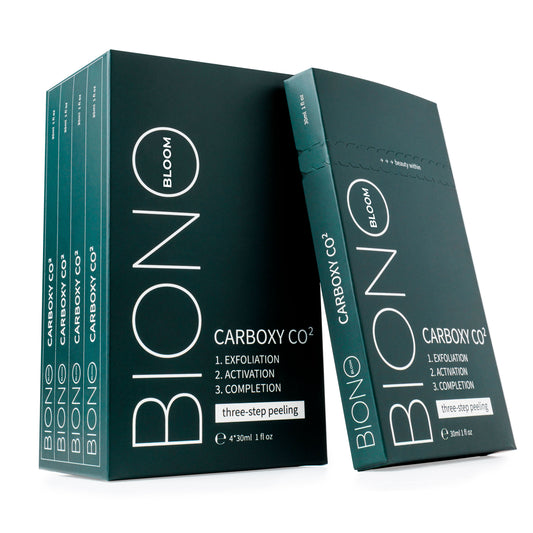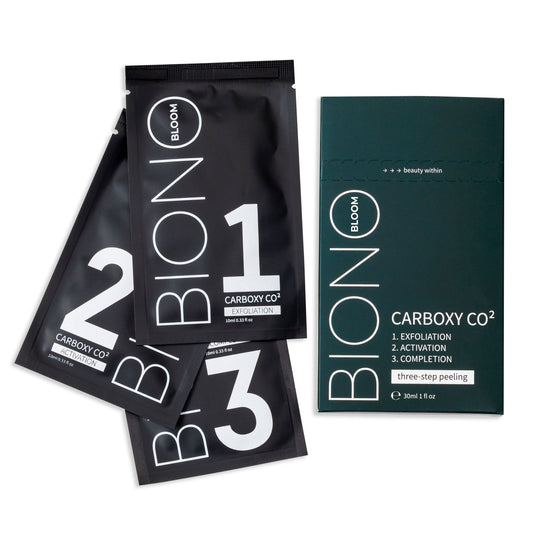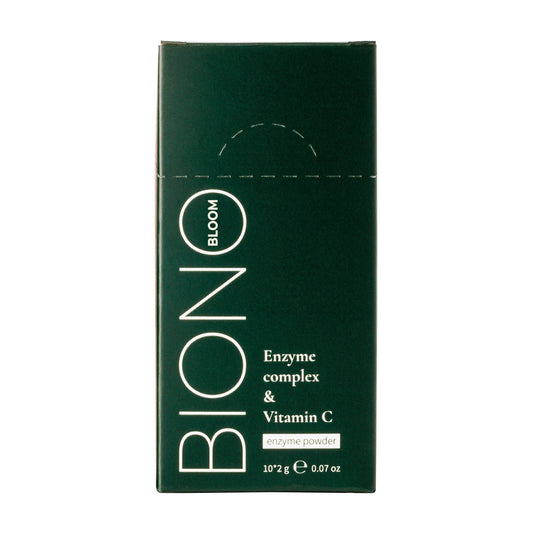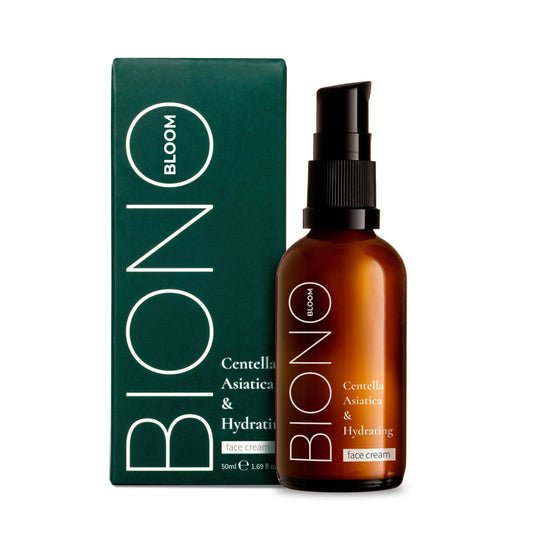

Enzyme peeling – gentle exfoliation for all skin types
Enzyme peels are one of the most revolutionary exfoliation methods, gaining immense popularity in recent years both in beauty salons and at-home care. Unlike mechanical, granular peels or aggressive chemical acids, enzymes act biologically – precisely and selectively breaking down dead skin cells without damaging living, healthy tissue. The result is visibly smoother, radiant, and nourished skin, without the risk of micro-injuries, redness, or hypersensitivity. This gentleness makes enzyme peels the first choice of dermatologists for sensitive, vascular, and acne-prone skin.
Enzyme peeling – what is it and how does it differ from other types of exfoliation?
An enzymatic peel is a cosmetic product containing proteolytic enzymes—protein biochemical catalysts capable of breaking down the bonds between dead epidermal cells (corneocytes). The most commonly used enzymes are papain, obtained from papaya, and bromelain, obtained from pineapple, although modern formulas also incorporate enzymes from pomegranate, pumpkin, or fermented probiotic ingredients. The mechanism of action is precise: the enzymes break down the peptide bonds in keratin, which makes up dead cells, without interfering with the living layers of the skin—a fundamental difference compared to AHAs and BHAs, which target deeper layers of the epidermis and require more careful concentration selection.
Enzyme peels stand out from other exfoliation methods primarily for their versatility and safety. Classic granular peels with sugar, salt, or apricot kernels exfoliate mechanically, but can cause micro-damage to the skin and exacerbate inflammation in acne-prone skin. Acid chemical peels are very effective, but require precise concentration, appropriate intervals between applications, and can cause temporary hypersensitivity to UV radiation. Enzyme peels combine effective exfoliation with minimal risk of irritation, making them ideal for those new to exfoliation and those whose skin cannot tolerate stronger products.

How does enzymatic peeling work – the mechanism of action on the skin?
Proteolytic enzymes contained in enzyme peels work through biocatalysis—they accelerate the chemical reaction of keratin decomposition without consuming or penetrating deeper skin layers. Papain and bromelain disrupt specific peptide bonds that connect dead skin cells, facilitating their natural exfoliation without mechanical abrasion. This process is fully controlled by the application conditions—enzyme activity increases with skin temperature and humidity, so enzyme peels are typically applied to a slightly damp face and left under a plastic wrap or damp towel, which enhances their effectiveness.
Importantly, enzymes are biodegradable substances – after fulfilling their function, they are naturally neutralized by the skin or washed away with water, leaving no active residue. This means that enzymatic peels do not cause the temporary thinning of the epidermis typical of strong chemical acids. After the treatment, the skin is immediately ready for the application of subsequent skincare products and requires no recovery period. This property means enzymatic peels can be used regularly year-round, without interruption and without the risk of sun sensitivity typical of more aggressive exfoliation methods.
Types of enzyme peels – which one to choose for your skin?
The market offers enzyme peels in several different cosmetic forms, each offering a slightly different application experience and varying in intensity. Enzyme masks are the most popular form – they are applied to the face for 5–15 minutes and then rinsed off with warm water. Enzymatic cleansing powders are a modern, waterless storage method – they activate only when mixed with water immediately before use, ensuring maximum freshness and enzyme stability. Gels and creams with enzymes can be used as a leave-on preparation with a low enzyme concentration or as a rinse-off peel with higher formulas.
The most popular types of enzyme peels and their applications:
- Enzymatic peeling with papain – a classic, effectively exfoliates calloused epidermis, brightens dull complexion
- Enzymatic peel with bromelain – gentler than papain, ideal for sensitive and reactive skin
- Enzymatic peeling with pomegranate – strong antioxidant effect, recommended for mature and tired skin
- Probiotic enzyme peeling – enriched with live bacterial cultures, supports the microbiome and reduces inflammation
- Enzymatic peeling with acids – a combination of enzymes with a low concentration of AHAs for advanced smoothing effects
- Enzymatic cleansing powder – convenient daily exfoliation combined with skin cleansing
- Enzymatic peeling for acne-prone skin – with enzymes and zinc or salicylic acid, unclogs pores
Enzyme peeling and other exfoliation methods – what to choose?
The decision to choose an exfoliation method should always be based on the current condition of the skin, its needs, and tolerance to individual active ingredients. Enzyme exfoliation is by far the gentlest form of exfoliation of all available methods and, as such, is suitable for absolutely everyone – regardless of skin type, sensitivity, or season. For those with oily, dull, and blackhead-prone skin, it is an excellent complement to acid treatments, which can be used interchangeably. For sensitive, vascular, and acne-prone skin, it is often the only safe method of regular exfoliation.
Enzyme peels can also be combined with other exfoliation methods as part of a well-thought-out skincare routine. A popular approach is to use an enzyme peel 2-3 times a week for gentle, ongoing exfoliation, and an acid chemical peel once a week or every two weeks for a deeper regenerative treatment. This combination yields significantly better results than using acid alone, as the enzymes prepare the epidermal surface for better penetration of active ingredients. However, the key is not to combine both methods in the same application – enzymes and acids should be used separately to avoid excessive irritation and disruption of the skin barrier.

How to use enzyme peeling correctly – application rules
The technique for applying an enzyme peel is simple, but a few rules determine whether the treatment will be as effective and safe as possible for your skin. The first step is always a thorough facial cleansing. Applying an enzyme peel to skin covered with makeup, creams, or sebum significantly reduces its effectiveness, as the enzymes, instead of attacking dead skin cells, lose their activity on surface impurities. After cleansing, it's a good idea to lightly dampen the skin. Moisture activates the enzymes and accelerates their exfoliating action, so don't pat your face dry before application.
Rules for the effective use of enzymatic peeling that should be followed during each treatment:
- Apply the enzyme peeling evenly to cleansed, slightly damp skin.
- Avoid the eye and mouth area – the skin in these areas is the thinnest and most sensitive to enzymes
- Leave the preparation on the skin for the time specified by the manufacturer – usually 5–15 minutes, no longer
- You can cover your face with a damp towel or cling film to enhance the effect by increasing the temperature.
- Rinse the enzyme peeling with lukewarm water and gently dry the skin with a towel.
- After the treatment, apply a moisturizing or regenerating cream - after exfoliation, the skin is more receptive to active ingredients
- Use enzymatic peeling 1–3 times a week depending on your skin's needs and sensitivity.
Ingredients that enhance the effect of enzymatic peeling
Modern enzyme peels offer much more than just papain or bromelain – manufacturers enrich their formulas with additional active ingredients that enhance the exfoliation effects while simultaneously providing intensive skin care during the treatment. Hyaluronic acid and glycerin added to enzyme peels provide hydration to the epidermis during exfoliation, leaving skin soft and supple rather than dry. Niacinamide, combined with enzymes, smooths and brightens, reducing the appearance of pores and evening out skin tone. Antioxidants – vitamin C, vitamin E, and green tea extract – protect the skin from oxidative stress and enhance the radiance after the treatment.
It's also worth paying attention to what shouldn't be included in enzyme peels, especially for sensitive skin. Products for delicate skin should not contain alcohol denat., which can dry and irritate, or strong fragrances, which are a common cause of contact allergies. Enzyme peels for acne-prone skin should not contain comedogenic ingredients, such as coconut oil or certain esters. Reading cosmetic labels is a habit that pays off – consciously choosing ingredients allows you to avoid irritation and choose an enzyme peel that truly meets the needs of your skin type.
The most common mistakes when using enzyme peeling
Enzyme peels are gentle products, but incorrect application can negate the effects of the treatment or, in rare cases, cause adverse skin reactions. The first and most common mistake is leaving the product on the skin for too long, thinking that longer exposure will yield better results. However, enzymes have an optimal duration of action – exceeding the recommended application time does not increase their effectiveness, but the risk of irritation, redness, and dryness increases. Enzyme peels are not nourishing masks – the exposure time recommended by the manufacturer must be strictly adhered to.
An equally common mistake is combining an enzymatic peel with other powerful active ingredients in the same routine. Applying retinol, strong concentrations of AHA acids, or high-concentration vitamin C products to freshly exfoliated skin after the treatment can lead to irritation and a compromised skin barrier. After enzymatic peels, the skin is more receptive to active ingredients, which is an advantage for gentle moisturizing and regenerating products, but becomes a disadvantage with strong acids and retinolides. The rule is simple: on the day of an enzymatic peel, your evening skincare routine should be gentle and focus on moisturizing and regenerating the skin barrier.
Enzyme peeling – gentle exfoliation that changes the appearance of your skin forever
Enzyme peels combine two seemingly contradictory features: the effectiveness of true exfoliation and a gentleness suitable for even the most sensitive skin. Regular use ensures the epidermis is always in optimal condition – fresh, living cells can freely perform their protective and aesthetic functions, while the active ingredients of subsequent products penetrate deeper and work more effectively. The effects visible after several weeks of regular use include smoother skin texture, reduced pore visibility, a more even skin tone, and a distinct radiance, a sign of healthy, well-oxygenated epidermis.
When choosing an enzyme peel, it's worth choosing a product tailored to your skin type and current needs. While all enzyme peels work on the same principle, differences in composition and formula have a real impact on comfort and results. Oily and acne-prone skin will benefit from formulas with enzymes and zinc, dry and mature skin from products enriched with hyaluronic acid and antioxidants, and sensitive skin from gentle probiotic peels. Used regularly, wisely selected for your complexion and complemented with a good moisturizing care routine, enzyme peels are one of the most effective and accessible ways to achieve skin that looks healthy, youthful, and radiant all year round.