
How to apply home perfumes for a long-lasting scent
The scent of an interior is the first impression a guest gets even before they notice the decor or tidiness of a room. More and more people are choosing interior perfumes to create a pleasant atmosphere in their home, associated with relaxation, cleanliness, and well-being. A well-chosen fragrance composition can influence the mood of household members, help them unwind after work, and make the apartment feel like a safe haven. However, it's important to know how to properly dose and apply such products so that the effect is lasting and the scent does not become too intense or intrusive.
How to use interior perfumes – basic rules
The answer to the question of how to use interior perfumes begins with understanding that each fragrance composition has a different concentration of aromatic oils and a different way of releasing the scent. Fabric sprays are not used in the same way as reed diffusers or scented candles – each of these products requires a different application technique, frequency of use, and distance from heat sources. The basic rule is to dose in moderation: an intense scent at the start does not necessarily mean it will last longer, and often leads to rapid saturation of the air and so-called "olfactory fatigue," which makes household members stop perceiving the aroma despite its presence.
Another important rule is to match the application method to the size and character of the room. In a small bathroom or hallway, a small amount of product will suffice, while in a spacious living room with high ceilings, it will take more time for the scent to spread. Interior perfumes are best used in rooms with moderate ventilation – too strong a draft quickly dissipates the aroma, while a complete lack of air circulation causes the scent to accumulate in one place instead of evenly filling the space.

What are interior perfumes and how do they work?
Interior perfumes are concentrated fragrance compositions, based on essential oils, synthetic compositions, or a combination thereof, dissolved in alcohol or an alcohol-free base. Unlike classic perfumes used on the skin, these products are designed so that their molecules remain in the air for a longer period and do not react with skin acids. Therefore, home fragrances often have a different structure of fragrance notes – the top note is clearer and more lasting, as its task is to immediately fill the space with a pleasant aroma.
The mechanism of action of such products is based on the gradual evaporation of fragrance molecules into the surroundings. In the case of a spray, this happens immediately after application, while a fragrance diffuser releases the aroma slowly and evenly for many weeks thanks to rattan sticks, which transport the liquid from inside the bottle to the outside. Understanding this difference helps to consciously choose the right product for a specific room and purpose – whether we want a quick refreshing effect or a long-lasting, subtle interior aromatization.
Types of home fragrances – what you need to know
Choosing the right product is as important as the application technique itself. Several main categories of interior aromatization products are available on the market, and each works best in different conditions and has a different duration:
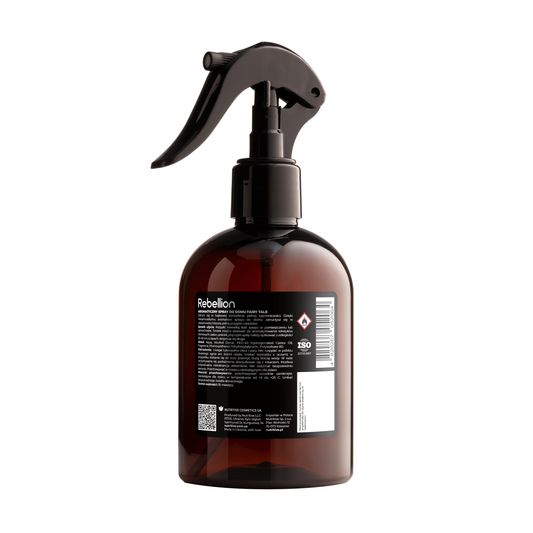
- Home fragrance sprays – act immediately, ideal for quickly refreshing the air before guests arrive or after cooking.
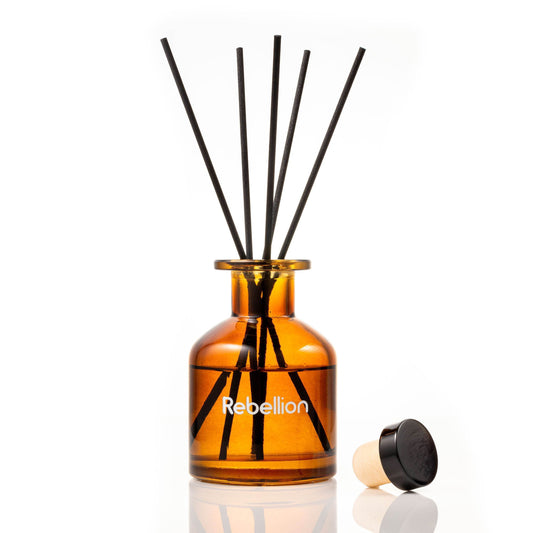
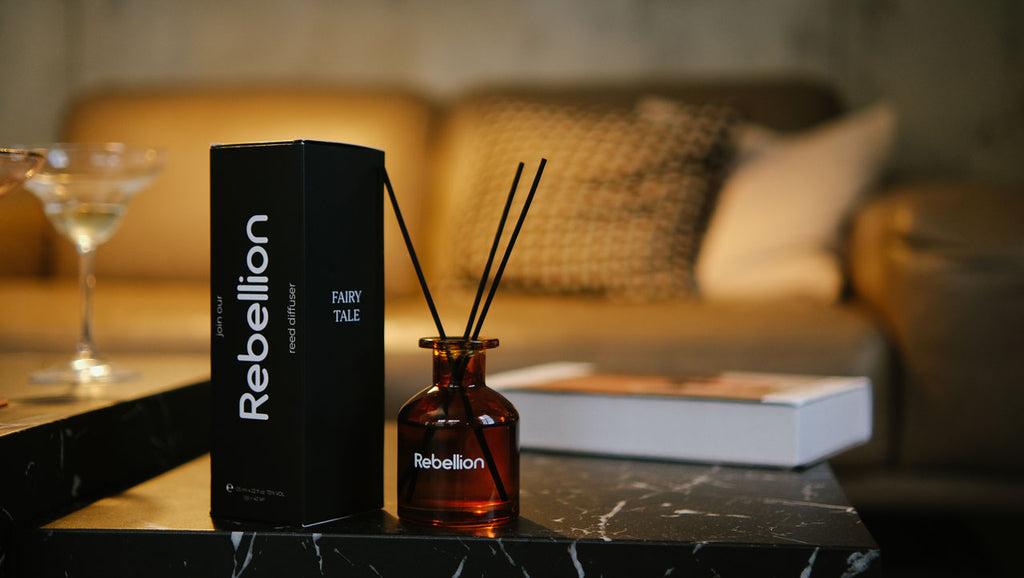
- Reed diffusers – provide constant, subtle room aromatization for several weeks without the need for daily maintenance.
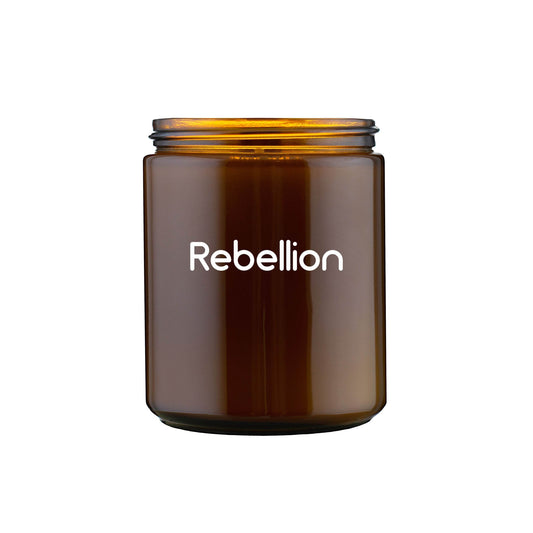
- Scented candles – combine a visual effect with aromatization, great for evening relaxation.
- Odor neutralizers – do not so much perfume the interior as eliminate unpleasant odors, e.g., from pets or cigarettes.
Each of these products requires a different approach to dosing, so before purchasing, it's worth considering what effect we want to achieve – temporary refreshment or a constant presence of scent in the background.
How to use interior perfumes step by step
Practical use of interior perfumes can be broken down into a few simple steps, which will help avoid common mistakes. Firstly, always shake the bottle before use, if recommended by the manufacturer – this allows the ingredients to mix evenly and achieve the full scent from the very first spray. Secondly, it is best to apply the spray from a distance of about 30-40 centimeters from fabrics or surfaces, directing the nozzle slightly upwards so that the particles fall freely and do not concentrate in one spot.
For a diffuser, the key is to set the appropriate number of sticks – usually four to six, depending on the room size and desired intensity. It's worth flipping the sticks every 5-7 days to refresh the scent's intensity, but do not do this too often, as it accelerates the fluid's consumption. Scented candles, on the other hand, should burn for at least an hour during their first use for the wax to melt evenly across the entire surface – this ensures that the scent will be released correctly throughout the product's use.

Where to use interior perfumes for the best scent
Location is crucial for the effectiveness of interior aromatization. Not every place in the house is suitable for placing a diffuser or spraying, and a wrong choice can mean the scent doesn't spread at all or disappears within minutes. Here are the best places to use interior perfumes:
- Hallway – the first room guests experience, so it's worth ensuring a fresh, welcoming scent here.
- Living room – the most representative space, where both a diffuser and a scented candle will work well.
- Bathroom – a place where spray or sachets are most often used due to humidity and limited space.
- Bedroom – here it's worth choosing milder, relaxing compositions, preferably without high concentrations of alcohol.
- Wardrobes and closets – an ideal place for small scented sachets that protect fabrics from moisture and mustiness.
Avoid placing diffusers near windows exposed to direct sunlight and above radiators – high temperatures accelerate the evaporation of the liquid and halve the product's lifespan.
How long does the scent last in a room?
The longevity of a scent depends on several factors: the concentration of the composition, the size of the room, the temperature, and the frequency of airing. A home fragrance spray usually maintains an intense aroma for several minutes to several hours, making it an ad hoc solution rather than a constant source of scent. Reed diffusers last much longer – depending on the bottle's capacity and the number of sticks, they can aromatize an interior for six to twelve weeks, gradually losing intensity as the liquid is consumed.
It's important to remember that our nose adapts to a constant scent after just a few minutes of being in a room, which is why household members often don't notice an aroma that guests entering from outside clearly do. This phenomenon is often misinterpreted as a sign that the scent has disappeared, leading to excessive refilling of the product. Instead, it's better to trust the regularity of application and not increase the dosage based on your own olfactory perceptions, which naturally dull.
Common mistakes when using interior perfumes
Even the highest quality product won't work correctly if basic mistakes are made during its use. Below are the most common pitfalls that weaken the effect of interior aromatization:
- Too much product at once – an excess of scent leads to air oversaturation and faster olfactory fatigue.
- Placing a diffuser in a closed, unventilated space – without minimal air circulation, the scent won't spread throughout the room.
- Mixing several different scents simultaneously – instead of a harmonious composition, a chaotic, unpleasant mixture is created.
- Spraying directly onto upholstered furniture without checking the ingredients – some fabrics may react with discoloration.
- Too infrequent turning of diffuser sticks – this limits the scent's intensity despite a full bottle.
Awareness of these errors allows you to enjoy a lasting and pleasant effect much longer, without the need to frequently buy new products.
Interior perfumes and seasons – how to match the composition
The choice of fragrance should be matched not only to the character of the room but also to the season, as our olfactory preferences change with temperature and time of day outdoors. In spring and summer, light, citrusy, or floral notes work better, associating with freshness and invigoration, and at the same time not overpowering in warmer, denser air. In autumn and winter, we naturally reach for warmer, more spicy compositions with notes of vanilla, cinnamon, or wood, which create a cozy atmosphere associated with home warmth.
Seasonal matching of interior fragrance is also a way to avoid getting tired of one aroma throughout the year. Rotating compositions every few months ensures that the home always smells fresh and appropriate for the occasion – a different scent will work for holiday gatherings, and another for a hot summer afternoon. It is also worth remembering that the intensity of scent perception changes with air humidity, so in summer, slightly smaller doses can be used than in winter, when heating dries the air and accelerates the evaporation of the composition.
Fragrance diffusers and home sprays – differences in use
Although both products are used for interior aromatization, they differ fundamentally in their mode of action and require different approaches. It is worth knowing these differences to choose the right product for a specific situation:
- Duration of action – spray provides an immediate but short-lived effect, while a diffuser works slowly but for many weeks.
- Maintenance – spray requires manual application each time, while a diffuser works automatically after a one-time setup of the sticks.
- Intensity control – with a spray, it's easier to regulate the strength of the scent at any given moment; with a diffuser, it's harder because it works continuously.
- Application – spray is effective before guests arrive or after cleaning, while a diffuser is better as a constant background scent.
- Safety – a diffuser does not require an open flame, unlike candles, making it a safer choice around children or pets.
The best results are often achieved by combining both methods – a diffuser as a constant fragrance base and a spray as quick support at selected times of the day.
How to use interior perfumes – summary
Conscious use of interior perfumes combines the appropriate product selection, moderation in dosing, and matching the composition to the character of the room and the season. Regardless of whether we choose a spray, a reed diffuser, or a scented candle, the key to success is regularity, room ventilation, and avoiding common mistakes, such as excessive dosing or mixing scents. Thanks to this, interior aromatization will become not only a pleasant ritual but also a lasting element that builds the atmosphere of the entire home.
It is worth treating the selection of interior fragrance as an element of space care, on par with tidiness or decoration – it's a detail that genuinely influences the well-being of household members and the first impression of guests. Experimenting with different types of products and observing how they behave in specific rooms will help you find the ideal solution tailored to individual needs. Properly selected and correctly used interior perfumes are a simple way to make your home smell exactly as you want it to – for a long time