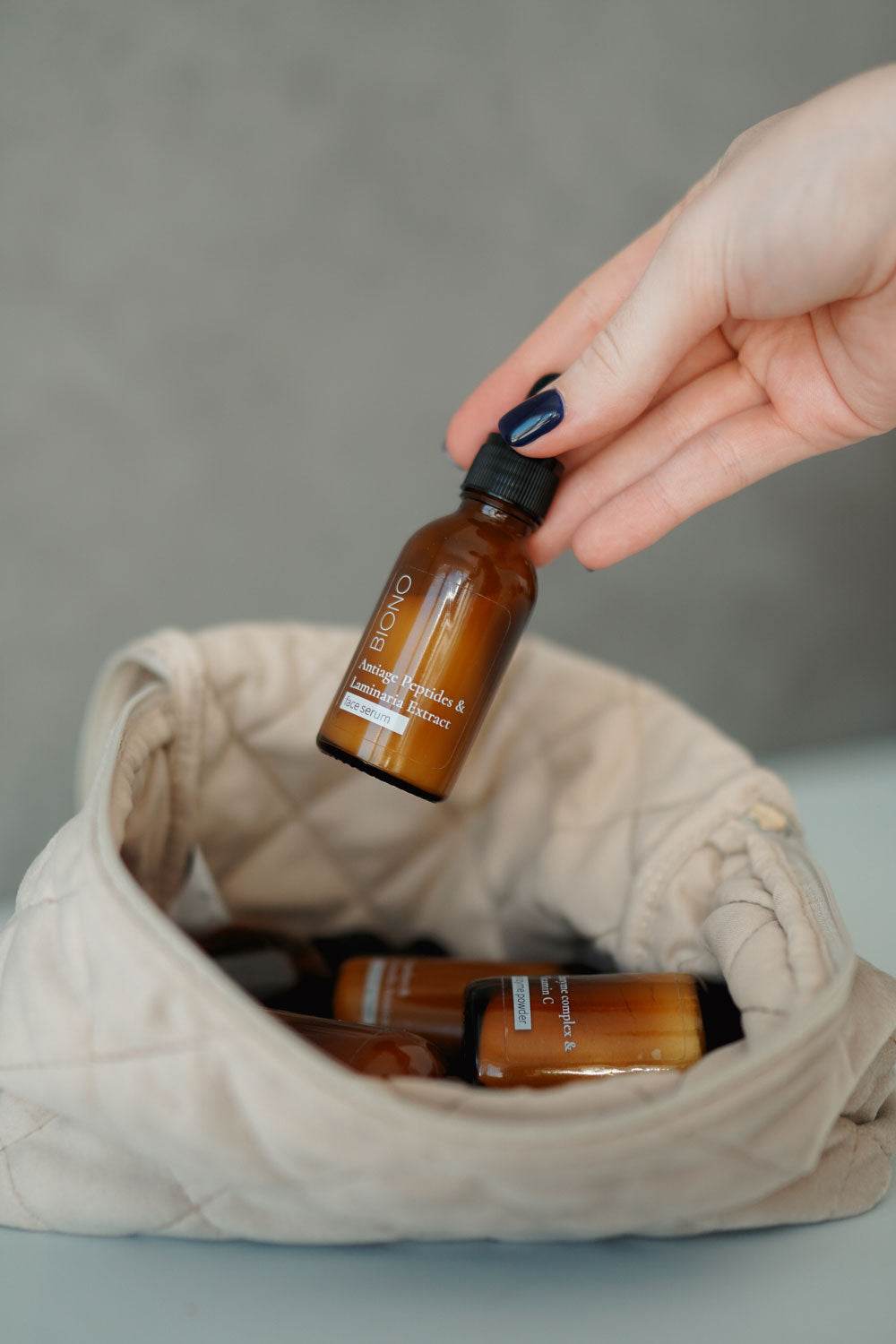

Sensitive skin care for colder days
The arrival of autumn and winter is a particularly challenging time for people with sensitive skin. Caring for sensitive skin in colder weather requires a completely different approach than in the warmer months – low temperatures, dry air in heated rooms, and rapid climate changes can significantly worsen the condition of even well-hydrated skin. In this article, we'll present a comprehensive guide to help you care for sensitive skin during autumn and winter, minimizing irritation and maintaining its healthy appearance throughout the winter.
Why sensitive skin suffers more in winter
Sensitive skin reacts more intensely to colder weather than other skin types due to its weakened protective barrier. Cold causes blood vessels to constrict, limiting the flow of nutrients to the epidermis, while wind and frost mechanically damage the delicate skin surface. Add to this the indoor heating, which drastically reduces humidity, and you have the perfect recipe for disaster for sensitive skin – excessive dryness, burning, itching, and redness.
Sensitive skin care during this period must focus on rebuilding the lipid barrier and preventing water loss from the epidermis. In winter, sensitive skin loses up to 25% of its natural moisture compared to the summer months. Furthermore, frequent exposure to dry, heated air triggers micro-inflammation, leading to feelings of tightness, flaking, and discomfort. People with sensitive skin also often notice increased redness, telangiectasia, and general skin reactivity during the winter.

How cold affects the skin's protective barrier
The skin's protective barrier is a complex system of lipids, ceramides, and natural moisturizing factors that protect against water loss and external aggressors. Skincare for sensitive skin in colder weather must take into account that low temperatures slow down the production of sebum, the skin's natural protective oil. As a result, the lipid barrier becomes incomplete, allowing irritants to penetrate more easily and moisture to escape from the deeper layers of the epidermis.
In winter, sensitive skin also struggles with the phenomenon of transepidermal water loss (TEWL), which intensifies at low temperatures. This process involves water evaporating from deeper layers of the skin through damaged epidermis. The more water escapes, the drier and more susceptible sensitive skin becomes. The key to effective skincare is not only providing moisture but, above all, retaining it by strengthening the protective barrier with appropriate active ingredients.
Key benefits of using natural creams for sensitive skin
Natural face creams They offer numerous benefits that are especially valuable for sensitive skin in cold weather. First, they are rich in vitamins, minerals, and antioxidants in their natural, bioavailable form, making sensitive skin care gentler and more effective. For example, rosehip oil contains natural vitamin C, which is absorbed more effectively by the skin than its synthetic counterpart. These ingredients work synergistically, enhancing each other's effects and providing comprehensive protection against winter conditions.
Secondly, natural skincare products for sensitive skin are less likely to cause irritation and allergic reactions. The main benefits of natural skincare for sensitive skin in winter include:
- Minimal risk of allergies – the lack of synthetic preservatives, dyes and fragrances significantly reduces the likelihood of allergic reactions
- Supporting natural regeneration – plant-based ingredients work with the skin's natural regeneration processes rather than disrupting them
- Rich in active ingredients – natural oils and butters contain a complex of vitamins, minerals and fatty acids that work simultaneously
- Long-lasting effects – regular use builds skin health from the ground up, not just masks problems
- Compatibility with the skin microbiome – natural ingredients do not destroy the protective layer of bacteria on the skin surface
Basic rules for winter care for sensitive skin
Sensitive skin care for colder weather should be based on a few fundamental principles that will significantly impact skin comfort and appearance. First and foremost, limit washing your face with hot water – although tempting on frosty days, high temperatures further dehydrate and irritate delicate skin. Use lukewarm or cool water, or even better, switch to a micellar or oil cleansing method, which doesn't require water contact.
Another foundation is simplifying your skincare routine. Sensitive skin doesn't need ten different products in winter – it needs a few, but perfectly selected and concentrated products. A basic routine should include:
- Gentle cleansing – cleansing milks or hydrophobic oils without SLS and soap
- Intensive moisturizing – serum with hyaluronic acid or glycerin
- Barrier reconstruction – cream with ceramides, cholesterol and fatty acids
- Wind protection – protective oil or balm before going outside
The most valuable ingredients in natural care for sensitive skin
When choosing skincare products for sensitive skin in colder weather, pay special attention to ingredients that rebuild the skin's protective barrier. Ceramides are lipids identical to those naturally found in the skin, which fill the spaces between epidermal cells like cement between bricks. Sensitive skin needs more of them in winter than ever, as its own ceramide production decreases with temperature.
Omega fatty acids, especially omega-3 and omega-6, and oils rich in essential fatty acids (EFAs) are equally important for sensitive skin care. Ingredients especially recommended for sensitive skin in cold weather:
- Evening primrose oil – regenerates the lipid barrier, soothes inflammation and itching
- Black cumin oil – has anti-inflammatory and antioxidant properties, strengthens the skin's immunity
- Borage oil – rich in gamma-linolenic acid, ideal for atopic skin
- Panthenol (provitamin B5) – intensively moisturizes, accelerates regeneration and has a soothing effect
- Niacinamide (vitamin B3) – strengthens the skin barrier, reduces redness and regulates sebum secretion
- Bisabolol – a natural ingredient from chamomile with strong anti-inflammatory properties
What to avoid in winter care for sensitive skin
Caring for sensitive skin in colder weather means not only choosing the right products but also eliminating those that can worsen its condition. Above all, avoid products containing alcohol denat (alcohol denat), which drastically dries and irritates sensitive skin. Strong detergents like SLS (sodium lauryl sulfate) and SLES (sodium laureth sulfate) are equally harmful, as they disrupt the skin's natural lipid barrier.
Sensitive skin in winter also reacts particularly poorly to intensive mechanical exfoliation and high-concentration acids. While exfoliation is important, for reactive skin, it should be limited to once a week at most, using very gentle enzymes or low-concentration acids. Ingredients to particularly avoid in winter care for sensitive skin:
- Menthol and camphor – give a feeling of freshness, but strongly irritate sensitive skin
- Artificial fragrances – the main cause of allergic reactions and irritations
- High concentrations of retinoids may be too aggressive for sensitive skin weakened in winter.
- Glycerin as the only moisturizing ingredient – without an occlusive agent it may paradoxically dry out the skin
Protection of sensitive skin from external factors
Caring for sensitive skin in colder weather doesn't end with cosmetics—physical protection against frost, wind, and dry air is equally important. Before heading outside on a frosty day, apply a richer cream or protective oil to your face to create a barrier against the cold. Sensitive skin needs at least 15-20 minutes for the cosmetic to fully absorb before exposure to low temperatures.
In heated rooms, which dramatically reduce humidity, sensitive skin loses moisture rapidly in winter. Consider purchasing a humidifier that will maintain humidity levels of 40-60%—optimal for healthy skin. Sensitive skin care at the office should also include regular use of moisturizing or thermal mists, which will instantly hydrate the skin and alleviate discomfort. Remember to protect the delicate skin of your lips by using lip balms with SPF, as winter sun reflecting off snow can be just as damaging as summer sun.
Home SPA for sensitive skin on cold days
Sensitive skin care for colder weather can also include home treatments that will intensively regenerate the complexion and relieve discomfort. Chamomile or calendula compresses are excellent for soothing irritation and redness – steep the herbs, let them cool to lukewarm, and apply the soaked cotton pads to your face for 10-15 minutes. Sensitive skin also loves masks made with aloe vera, cucumber, or plain yogurt in winter, which intensely moisturize and soothe.
Facial massage with precious plant oils is another way to support sensitive skin care in winter. Gentle, circular movements stimulate microcirculation, which naturally slows in low temperatures, and help active ingredients better penetrate the skin. Use oils like sweet almond oil, evening primrose oil, or raspberry seed oil, which are particularly gentle on sensitive skin and do not cause irritation. It's best to perform the massage in the evening, 2-3 times a week, applying approximately 3-5 drops of oil to clean, slightly damp skin.
Specialized cosmetics for sensitive skin in extreme conditions
Caring for sensitive skin in colder weather may require specialized products, especially when temperatures drop significantly below freezing. Cold creams are designed specifically for extreme winter conditions – their rich, exclusive formula creates a physical barrier against frost and wind. Sensitive skin responds particularly well to products containing beeswax, lanolin, or shea butter, which leave a light, protective layer on the skin.
Water-in-oil (W/O) balms are a better choice for sensitive skin in winter than standard oil-in-water (O/W) emulsions because they contain a higher oil content, which better protects against water loss. It's also worth investing in products with SPF – winter sun, especially in the mountains or during outdoor activities, can be just as damaging as summer sun. Sensitive skincare should include a dedicated regenerating serum with ceramides or peptides, which can be applied under night cream to intensively rebuild the skin's protective barrier while you sleep.
A step-by-step skincare routine for sensitive skin
Sensitive skin care for colder weather should be consistent and systematic. Begin your morning routine with gentle cleansing – use a milk or micellar water designed for sensitive skin, without harsh rubbing. After cleansing, apply an alcohol-free toner, preferably a soothing one with rosewater or calendula, gently patting it into the skin.
Next, apply a moisturizing serum with hyaluronic acid or glycerin – sensitive skin needs intensive hydration in winter already. Sensitive skin care then requires a rich cream with ceramides or a natural oil to retain moisture and protect against water loss. Before going out, apply an additional layer of protection – this could be a protective balm or vegetable oil. In the evening, the procedure is similar, but cleansing can be done in two steps (oil + milk), and the cream can be even more nourishing, with the addition of regenerating ingredients like panthenol or niacinamide.
Summary: Healthy sensitive skin all winter long
Caring for sensitive skin in colder weather is a process that requires patience, consistency, and adapting your routine to changing weather conditions. The key to success is understanding that sensitive skin in winter primarily needs to rebuild its protective barrier, receive intense hydration, and receive physical protection from aggressive external factors. There's no one-size-fits-all solution—you need to monitor your skin's reactions and adapt your skincare routine to its current needs.
Remember, caring for sensitive skin is a marathon, not a sprint. You'll see the results of a well-thought-out winter routine after just 2-3 weeks of regular use – your skin will become more resilient, less reactive, and comfortable. By investing in high-quality products tailored to sensitive skin and combining them with appropriate physical protection and home care treatments, you can enjoy healthy, beautiful skin even on the frostiest days. Sensitive skin in winter doesn't have to be a death sentence – with the right approach, it can look and feel great all year round.