
Enzyme powder: how to use it on your face step by step
Skin that loses its radiance, looks grey, and has an uneven texture often needs more than a standard face wash. Enzymatic powder is a cosmetic that is gaining increasing popularity among those looking for a gentle yet effective method of deep cleansing and exfoliating the epidermis. Thanks to the combination of natural enzymes with active nourishing ingredients, such a product helps remove dead cells, brighten skin tone, and prepare the skin for further stages of care. However, to fully exploit its potential, it is worth knowing how to use it correctly, in what order to introduce it into your routine, and how often to use this cosmetic to avoid irritating the skin.
How to use enzymatic powder – basic rules
The answer to the question of how to use enzymatic powder begins with activating the product with water – it is contact with moisture that triggers the action of the enzymes contained in the formula. A small amount of powder should be poured into the hand, a few drops of water added, and rubbed with fingers until a light, creamy foam forms. Only then should this prepared consistency be applied to the face with gentle, massaging movements, avoiding the eye area, which has thinner and more sensitive skin.
The contact time of the product with the skin and the temperature of the water used for rinsing are crucial. Enzymatic powder should not remain on the face for too long – usually, a few dozen seconds of gentle massage are enough for the enzymes to break down dead skin cells without irritating the skin. Rinsing is best done with warm, not hot, water, as too high a temperature can weaken the action of active ingredients and dry out the skin, instead of nourishing and soothing it.

What is enzymatic powder and how does it work on the skin
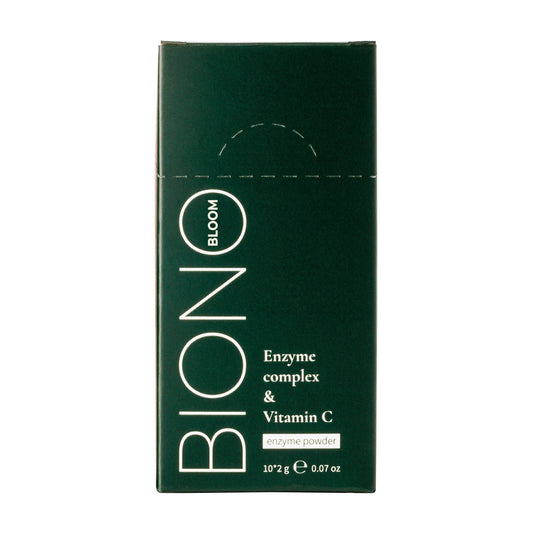
Enzymatic powder is a cosmetic in the form of a loose powder that, only after combining with water, turns into an active, foaming mass with exfoliating properties. Unlike traditional mechanical scrubs, which remove dead skin through the friction of abrasive particles, enzymatic powder works at a biochemical level – the proteolytic enzymes contained in it break down the bonds between dead skin cells, facilitating their natural exfoliation without micro-injuries to the skin. This makes it a much gentler method, suitable even for sensitive or irritation-prone skin.
In popular formulas, such as powder with bromelain, papain, and vitamin C, each ingredient performs a different function complementing the overall action. Bromelain, derived from pineapple, helps reduce inflammation and improves skin structure, while papain, extracted from papaya, effectively removes dead cells and smoothes the skin's surface. Vitamin C additionally neutralizes free radicals and supports collagen production, making the skin appear firmer and more radiant after the treatment, and lipase helps break down excess sebum and deeply cleanse pores.
How often to use enzymatic powder – frequency and time of day
The frequency of using enzymatic powder primarily depends on the skin type and its individual tolerance to chemical or enzymatic exfoliation. Normal and combination skin usually tolerates application two to three times a week well, while sensitive or irritation-prone skin should start with one treatment per week, observing the skin's reaction for the first few days after use. Too frequent use, even of a gentle enzymatic product, can weaken the hydrolipid barrier and lead to excessive dryness or redness.
In terms of time of day, enzymatic powder works best in the evening, as exfoliated, refreshed skin temporarily becomes more sensitive to UV radiation, and evening application allows time for regeneration during sleep. However, if someone prefers to use it in the morning, they must remember to protect their skin with sunscreen, as freshly exfoliated skin is more susceptible to discoloration and sun damage during the day.
Skincare stages – where to place enzymatic powder in your routine
The correct placement of enzymatic powder in your daily or weekly skincare routine directly impacts the effectiveness of both this product and the cosmetics applied after it. Here is a typical sequence to follow during the treatment:
- Makeup removal and initial cleansing – removing makeup and impurities prepares the skin for proper exfoliation.
- Enzymatic powder – application of water-activated paste, gentle massage, and thorough rinsing with warm water.
- Toner – restores the skin's proper pH after contact with enzymes and prepares it for absorbing subsequent ingredients.
- Active serum – this is the best time for products with vitamin C, hyaluronic acid, or niacinamide, as exfoliated skin absorbs nutrients better.
- Moisturizing cream and SPF filter – closes the routine, protecting the skin and replenishing lost moisture.
Omitting the moisturizing step after using enzymatic powder is one of the most common mistakes, which can make the skin appear dry and tight despite cleansing.

What skin type is enzymatic powder suitable for?
The versatility of enzymatic powder means it can be used by people with various skin types, but it is worth adapting its use to the skin's individual needs:
- Oily and combination skin – enzymes like lipase help break down excess sebum and clear enlarged pores, reducing shine.
- Dry skin – a shorter contact time for the product with the skin and less frequent use are recommended to avoid excessive drying.
- Sensitive and couperose skin – it's advisable to choose formulas with lower enzyme concentrations and always perform a patch test on a small area of skin beforehand.
- Mature skin – the combination of enzymatic exfoliation with vitamin C supports collagen production and improves skin firmness.
- Skin with hyperpigmentation – regular but moderate use helps even out skin tone by accelerating epidermal renewal.
Regardless of skin type, before the first use of the product, it is advisable to perform an allergy test on a small area of skin to rule out individual hypersensitivity to active ingredients.
Common mistakes when using enzymatic powder
Even a cosmetic gentle in its formula can harm the skin if used incorrectly. Below are the most common mistakes that should be eliminated from your skincare routine:
- Too long contact time with the skin – leaving the product on the face longer than recommended can lead to irritation and excessive exfoliation.
- Combining with other exfoliating products on the same day – simultaneous use of AHA/BHA acids and enzymatic powder increases the risk of damage to the skin barrier.
- Application on irritated or damaged skin – enzymes can exacerbate discomfort in areas with active skin lesions or inflammation.
- Too aggressive rubbing of the skin during massage – gentle movements are enough for the enzymes to work, and intense rubbing only irritates the epidermis.
- Omitting sun protection after the treatment – freshly exfoliated skin is more sensitive to UV radiation and prone to discoloration.
Consciously avoiding these mistakes allows you to enjoy the effects of enzymatic powder without the risk of irritation or weakening of the skin's condition.

Storage and shelf life of enzymatic powder
Proper storage of the cosmetic directly affects the effectiveness of the enzymes it contains, which are sensitive to moisture, temperature, and sunlight. Enzymatic powder is best kept at room temperature, between approximately 5 and 25 degrees Celsius, away from direct sunlight and heat sources such as radiators or sun-drenched windowsills. It is also important that the packaging is tightly closed after each use – accidental contact with bathroom moisture can prematurely activate the enzymes and shorten the product's shelf life.
The standard shelf life for this type of cosmetic is usually about two years from the production date, but after opening the package, this time is reduced to several to a dozen months, depending on storage conditions and the frequency of contact with water during application. It is worth paying attention to the period-after-opening (PAO) symbol on the packaging and observing the product's consistency and scent – a change in color, lumps, or an unusual smell may indicate a loss of active properties and the need to purchase a new package.
How to use enzymatic powder – summary
Enzymatic powder is a cosmetic that, when used correctly, can genuinely improve the condition and appearance of the skin, offering a gentler alternative to mechanical peels and strong exfoliating acids. The key to success is activating the product with the right amount of water, a short contact time with the skin, adjusting the frequency of the treatment to the skin type, and following the correct order of skincare steps, with moisturizing and sun protection at the end of the routine. Avoiding common mistakes, such as too long an application or combining with other exfoliating products on the same day, allows you to enjoy the results without the risk of irritation.
Consciously incorporating enzymatic powder into your weekly skincare, supported by observing your skin's reactions, helps achieve brightening, smoothing, and nourishing effects on the epidermis while maintaining its natural protective barrier. It is worth treating this product as a permanent element of your skincare routine, not a one-off treatment, as regularity and moderation in enzyme use bring the most lasting and satisfying results visible on the face.