
Facial Cleanser: How to Choose the Right One
Healthy and radiant facial skin begins with proper cleansing. A facial cleanser is not just a cosmetic product, but a fundamental step in your skincare routine, determining the effectiveness of your entire beauty routine. The quality of cleansing determines the skin's ability to breathe, regenerate, and absorb active ingredients from serums and creams. Therefore, choosing the right facial cleanser requires special attention and understanding of your skin's needs.
Why proper skin cleansing is the basis of beauty
Daily facial cleansing serves much more than just removing makeup and dirt. A quality facial cleanser helps remove daily accumulated impurities, sebum, cosmetic residue, and dead skin cells. Without thorough cleansing, pores become clogged, leading to blackheads, inflammation, and premature skin aging.
Modern dermatological research confirms that regular and proper cleansing of the skin improves microcirculation, stimulates skin renewal processes, and enhances the protective properties of the epidermal barrier. A properly selected facial cleanser works gently without disturbing the skin's natural pH, which is approximately 5.5. This is critical for maintaining healthy microflora and preventing irritation, dryness, or excessive oiliness.

Basic types of cleaning agents
Facial cleansers remain one of the most popular formats thanks to their versatility and effectiveness. Gel textures are perfect for combination and oily skin, as they effectively dissolve sebum and cleanse pores. Modern gel formulas are enriched with moisturizing ingredients, so they don't dry out the skin even with daily use.
Facial foam has a light, airy texture that instantly transforms into a soft lather upon contact with water. This type of product is ideal for morning cleansing when skin needs a gentle wake-up call. Foams often contain mild surfactants that don't damage the skin's hydrolipidic film.
Cleansing milks and creams are the perfect choice for dry and sensitive skin. Their rich textures contain more oils and emollients, which not only cleanse but also nourish the skin. These facial cosmetics work by dissolving impurities without aggressively stripping away the natural protective barrier.
Facial cleansing gel: a universal solution for daily care
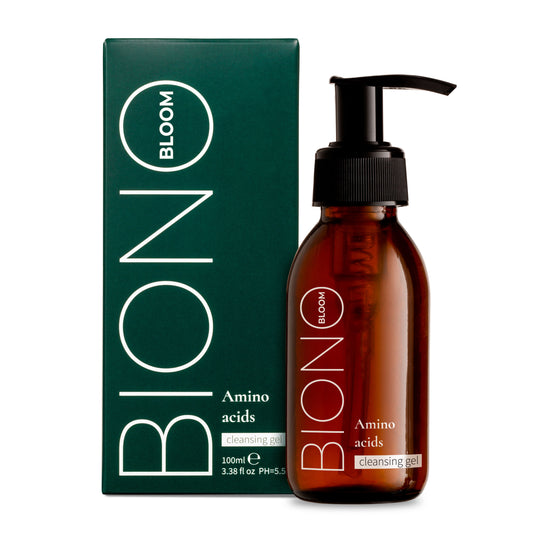
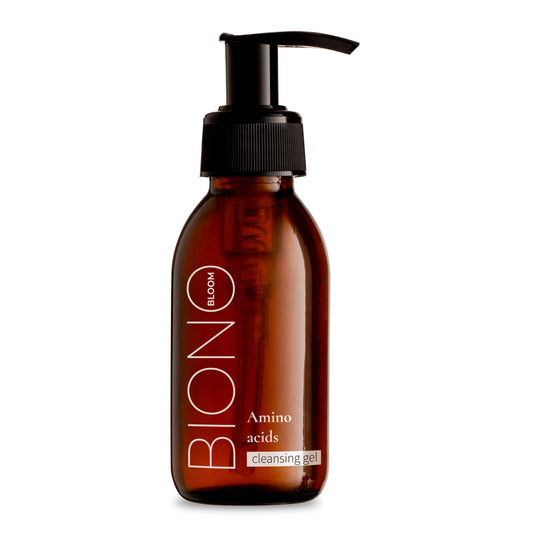
Facial cleanser gels are rightly considered the most balanced facial cleanser format, combining cleansing effectiveness with gentleness. Their transparent or translucent texture spreads easily across the face and quickly lathers upon contact with water, ensuring a deep yet gentle pore cleansing. Modern gel formulas are designed to meet the needs of different skin types, so the market offers both mattifying gels for oily skin and moisturizing variants for normal and combination skin.
A hallmark of a quality facial wash gel is its balanced composition, which contains gentle cleansing ingredients based on plant extracts or new-generation synthetic surfactants. Unlike traditional soap, modern gels do not damage the skin's hydrolipid barrier and maintain its natural pH level. Formulas are often enriched with additional active ingredients: hyaluronic acid for hydration, niacinamide for even skin tone, green tea extract for antioxidant protection, or salicylic acid to combat imperfections.
When choosing a facial cleanser, it's important to pay attention to its consistency and lather characteristics. A quality facial cleanser should have a medium consistency—not too thin to run off your hands, and not too thick to spread easily. The lather should be soft, creamy, and not overly abundant, as excessive foaming often indicates the presence of aggressive surfactants. After rinsing off the gel, your skin should feel clean, fresh, and comfortable, without any tightness or irritation, which is a sign that the product is well-suited for your skin type.
Key ingredients in cleaning products
When studying the composition of a facial cleanser, it is worth paying attention to several categories of ingredients:
Mild cleaning agents:
- Cocoglucoside and decylglucoside - natural surfactants from coconut and corn
- Sodium Cocoyl Isethionate - a gentle soap base for sensitive skin
- Lauryl glucoside - a biodegradable ingredient that does not irritate the skin
Active care ingredients:
- Niacinamide (vitamin B3) - evens out skin tone and strengthens the protective barrier
- Hyaluronic acid - retains moisture and prevents dryness
- Panthenol - soothes and accelerates regeneration
- Centella asiatica - reduces inflammation and improves microcirculation
Exfoliants for deep cleansing:
- AHA acids (glycolic, lactic) - for gentle exfoliation
- BHA (salicylic) acids - penetrate pores and cleanse them from the inside
- Papaya and pineapple enzymes - natural gentle exfoliation

How to choose the right cleanser for your skin type
For oily and combination skin, a face wash with a light texture and a mattifying effect is the optimal choice. These formulas often contain zinc, tea tree extract, or salicylic acid, which regulate sebum production. It's important to choose products labeled "non-comedogenic" to avoid further clogging of pores.
Dry skin requires a particularly gentle approach to cleansing. The ideal facial cleanser in this case is a milk, cream, or hydrophilic oil with a high content of oils and ceramides. These products not only cleanse but also rebuild the lipid barrier, preventing a feeling of tightness after washing.
Sensitive skin, prone to redness and irritation, requires hypoallergenic formulas free of perfumes, dyes, and potential allergens. Facial foams with soothing extracts of chamomile, aloe vera, or centella asiatica are the optimal solution. These products often have a pH close to the skin's natural pH and contain prebiotics to maintain a healthy microbiome.
Techniques for using cleaning agents
A professional facial cleansing method consists of several steps that enhance the effectiveness of facial cosmetics. The correct sequence of steps ensures maximum results from using a facial cleanser. Following the correct technique is more important than the price of the product itself.
Step by step cleansing technique:
- Always start with clean hands to avoid transferring additional bacteria to your face.
- Wet your face with warm water to open your pores and prepare your skin for cleansing.
- Take a small amount of the product (pea-sized for the gel, a little more for the milk)
- Apply with light massaging movements along the massage lines for 30-60 seconds
- Pay special attention to the T-zone, where the most sebum accumulates.
- Rinse with cool water and dry (do not rub!) with a soft towel.
After cleansing, apply toner and moisturizer within the first 60 seconds—this is when your skin is most receptive to care. It's important to always follow the massage lines: from the center of the forehead to the temples, from the sides of the nose to the ears, and from the chin to the earlobes. This not only improves cleansing but also helps maintain skin tone and prevent premature wrinkles.
Double cleansing as the gold standard of care
The double-cleansing method, borrowed from Korean beauty routines, has become a real find for those who use makeup or sunscreen. The first step involves using a hydrophilic oil or micellar water to dissolve oil-soluble impurities—make-up, sebum, and SPF products. The oily texture effectively binds and removes these ingredients without harsh rubbing.
The second step involves applying a water-soluble cleanser, such as a facial gel or foam. This removes the remnants of the first cleanser, along with water-soluble impurities—dust, sweat, and cosmetic residue. This two-step system guarantees perfectly clean skin without the risk of clogging pores.
Double cleansing is especially important in the evening, when the face requires maximum cleansing of impurities accumulated throughout the day. In the morning, you can limit yourself to a single step, using only a light facial cleanser. This method is suitable for all skin types; the most important thing is to choose the right products based on texture and active ingredients.
Common mistakes when selecting and using cleaning products
The most common mistake is over-cleansing, where people use harsh cleansers in pursuit of a "squeaky clean" feeling. In reality, this feeling indicates a compromised skin barrier and can paradoxically lead to increased oiliness. A quality facial cleanser should leave you feeling fresh and comfortable, not tight.
What to avoid when cleansing:
- Using hot water, which damages the capillaries and dries out the skin
- Excessive rubbing with a towel or sponges, which traumatizes the epidermis
- Using one product for the entire family regardless of skin type
- Saving on product quantity or cleaning time
- Ignoring the need to change the product depending on the season
Another common problem is ignoring the need to change facial cleansers depending on the season and skin condition. In the summer, when skin produces more sebum, you can use more intensive cleansing formulas. In the winter, when heat and cold dry out the skin, it's worth switching to gentler products with additional moisturizing ingredients. Facial cosmetics must adapt to the current needs of your skin, as it changes based on many factors.
To sum up, the right choice of cleaning agent
A facial cleanser is an investment in the health and beauty of your skin, which pays off with a radiant appearance and a lack of issues. A properly selected product not only removes impurities but also prepares the skin for maximum absorption of active ingredients from subsequent skincare steps. Your choice should be based on understanding your skin type, its current condition, and individual needs, not on trends or advertising promises.
The modern facial cosmetics market offers a vast selection of cleansers for every need and budget. The key to success is to carefully study the ingredients, choosing products with gentle cleansing ingredients and additional skincare ingredients. Don't be afraid to experiment and listen to your skin's reactions—it will tell you which facial cleanser is best for you. Remember that regularity and proper application technique are often more important than the price.