
Facial toner: how to use it and improve skin hydration
Healthy, radiant skin is not a matter of chance or lucky genes – it's the result of conscious, regular care tailored to the skin's needs. More and more people are seeking specific knowledge about how a toner works, which products are truly worth having on the bathroom shelf, and what to do when skin feels tight, flaky, or loses its glow. The following step-by-step guide explains the most important principles, debunks popular myths, and offers practical solutions that work in a daily routine – without unnecessary waste of time and money.
Facial Toner – How to Use It Correctly
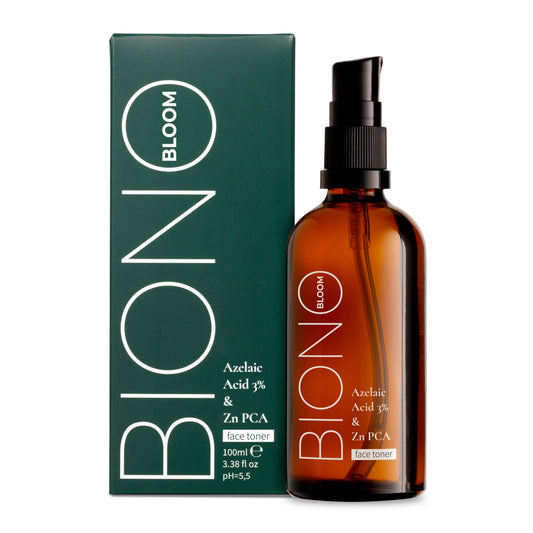
The question "how to use facial toner" comes up almost every time someone starts building their skincare routine. Toner is the second step after cleansing – its task is to restore the skin's proper pH, remove residual impurities, and prepare the skin for subsequent layers of care, such as serum and cream. Contrary to old habits, modern toners are no longer meant to "tighten" or dry out the skin – today, they are moisturizing, soothing, and complexion-balancing products.
In practice, applying toner is extremely simple, but small details make a difference. The liquid can be gently patted into slightly damp skin with fingertips or applied to a cotton pad and gently wiped over the skin, avoiding the eye area. The "hand application" method is more economical and less irritating to capillaries, which is why it is recommended for sensitive skin. Do not rinse the toner – it should absorb and create a base for further face cosmetics used morning and evening.

Facial Toner – How to Use It Step-by-Step
The correct order of application is crucial for the results. If you apply products in the wrong sequence, even the best face cosmetics will not work as they should, because the active ingredients will not absorb properly. Therefore, it is worth remembering a simple scheme that works for every skin type and helps build a repeatable, effective ritual.
Here is a practical guide on how to use facial toner in a few steps:
- Cleanse your skin with a gel, foam, or cleansing oil and pat it dry with a soft towel, leaving it slightly damp.
- Apply toner – pat with hands or wipe with a cotton pad, always from the center of the face outwards.
- Wait a few seconds for the product to absorb before moving on.
- Apply serum, e.g., with hyaluronic acid or niacinamide, depending on your needs.
- Finish your routine with a moisturizing cream, and in the morning, additionally with SPF.
Such a ritual takes only a few minutes, and the difference in skin condition is visible after just two or three weeks of systematic use. The key is regularity – a single use of toner will not work wonders, but daily application genuinely improves skin hydration and appearance.
Best Face Cosmetics for Different Skin Types
There is no single universal set that will work for everyone – the best face cosmetics are those tailored to a specific skin type and its current needs. Oily and combination skin will benefit from light, mattifying formulas with niacinamide or salicylic acid, while dry skin needs richer textures with ceramides, squalane, and hyaluronic acid. Sensitive skin responds best to simple formulas without alcohol, artificial dyes, and intense fragrances.
It is also worth remembering that product selection changes with the season and age. In winter, during the heating season, the skin often requires more intense hydration and rebuilding of the hydrolipid barrier, while in summer, lighter emulsions and mandatory sunscreen are effective. Cosmetological practice shows that the most common mistake is not the lack of expensive preparations, but using too many products at once – three or four well-chosen face cosmetics work better than ten random ones.
How to Improve Skin Hydration Daily
The question "how to improve skin hydration" refers not only to cosmetics but to the entire lifestyle. Hydration works best in layers and from within – simply applying cream to the face is not enough if the skin is dehydrated by hot baths, dry air, or insufficient water intake. The good news is that most effective methods are free or very inexpensive.
Here are proven ways to improve skin hydration in your daily routine:
- Apply cream to slightly damp skin to "lock in" moisture immediately after washing or toner.
- Drink adequate amounts of water and include omega-3 fatty acids in your diet (fish, nuts, flaxseed).
- Avoid hot, long showers that disrupt the hydrolipid barrier.
- Use a humidifier in the heating season when radiators dry out rooms.
- Use SPF daily, as UV radiation damages the skin's water retention mechanisms.
Combining these habits with appropriate products yields the best results. Well-hydrated skin is more elastic, smoother, and less prone to irritation, and makeup applies more evenly and lasts longer.

Active Ingredients Worth Knowing
Conscious cosmetic selection begins with understanding the label. Several active ingredients are repeatedly found in the best face cosmetics because they have documented efficacy and are well-tolerated by most people. Knowing these substances allows for smart purchasing, rather than being guided solely by advertising or trendy packaging.
Key allies for healthy skin include hyaluronic acid, which binds water and instantly improves skin hydration, and niacinamide, which strengthens the protective barrier and evens out skin tone. Retinol, used in the evening, supports cell renewal and reduces fine lines, vitamin C brightens and protects against oxidative stress, while ceramides and squalane rebuild the natural lipid layer. By choosing these ingredients according to your needs, you will avoid impulse purchases and see results faster.
Morning and Evening Skincare Routine
Effective skincare is based on two consistent routines: a morning routine that protects the skin throughout the day, and an evening routine that regenerates it. In the morning, the priority is hydration and sun protection, while in the evening – thorough cleansing and regeneration. The same principle applies to all skin types; only the specific products change.
An example routine, easily adaptable to your needs, is as follows:
- Morning: gentle cleansing → toner → vitamin C serum → moisturizing cream → SPF 30–50.
- Evening: makeup removal and cleansing → toner → serum (e.g., with retinol or hyaluronic acid) → richer cream.
- 1–2 times a week: gentle enzymatic or acid peel and a hydrating mask.
This plan sounds simple because skincare doesn't have to be complicated. It's better to consistently use a few well-chosen products than to occasionally reach for dozens of different specifics that only burden the skin and your wallet.
Common Mistakes in Using Toner
Even knowing how to use facial toner, it's easy to make small mistakes that limit the effectiveness of your skincare. The first is opting for products with a high alcohol content, which give a momentary feeling of freshness but in the long run dry out and irritate the skin, especially sensitive and couperose skin. Another common pitfall is rubbing the face too vigorously with a cotton pad, which weakens the protective barrier.
Another mistake is skipping cream after toner – toner moisturizes but does not "seal" moisture into the skin, so without an occlusive step, water quickly evaporates. From clinical experience, many people also use exfoliating toners with acids too frequently, hoping for faster results, but instead lead to dryness and irritation. Moderation and consistency work much better here than haste.
How to Choose the Best Face Cosmetics for Your Needs
Choosing the ideal set should start with an honest assessment of your own skin – its type, sensitivity, and main concerns, such as dryness, imperfections, or the first signs of aging. Only then can you consciously choose the best face cosmetics, instead of being guided by fleeting trends or recommendations from influencers with completely different skin types.
A simple checklist is helpful when shopping:
- Determine your skin type – dry, oily, combination, sensitive, or normal.
- Define your main goal – hydration, blemish reduction, anti-aging action.
- Check the ingredients and choose proven active ingredients instead of long, exotic lists.
- Test new products one by one to catch any potential allergic reactions.
- Be patient – real results are usually visible after four to six weeks.
This approach protects against disappointment and wasted money. Instead of buying everything that's trendy, you build a thoughtful routine where each product has its purpose, and your skin looks better week by week.
Summary – Conscious Skincare is the Best Investment in Your Skin
Healthy skin is the sum of small, daily decisions, not the result of one miraculous cosmetic. Knowing how to use facial toner, how to improve skin hydration, and how to choose the best face cosmetics allows you to build a routine tailored to real needs, not fleeting trends. The key is regularity, moderation, and listening to your own skin, which tells you what it needs.
It's worth treating skincare as a long-term investment – a few well-chosen products used consistently will yield better results than dozens of random purchases. Start with the basics: good cleansing, appropriate toner, hydration, and sun protection. If, despite your efforts, your skin is still dry, irritated, or problematic, consult a dermatologist who can help identify the source of the problem and suggest individual solutions.