
Blackheads under control: proven home care methods
Blackheads are one of those skin problems that can effectively ruin your mood before an important meeting. These small, persistent imperfections most often appear in the T-zone, chin, and back, without asking for permission. The good news? You don't have to book an appointment with a cosmetologist right away. Most blackheads can be effectively treated in the comfort of your own bathroom with the right methods and a little patience.
What exactly are blackheads and why do they attack your skin?
Blackheads, or comedones in medical terms, are blocked pores filled with sebum, dead skin cells, and bacteria. There are two basic types: open (blackheads) and closed (white bumps under the skin). The black color of open comedones isn't caused by dirt, as many people think, but rather by the oxidation of sebum upon contact with air.
Closed comedones remain beneath a thin layer of skin and appear as small white or flesh-colored bumps. They are more difficult to remove than their open counterparts because the sebum doesn't have direct contact with the outside. These are the ones most likely to develop into painful pimples if not addressed early enough.
How to treat blackheads at home – basic rules
Effective home treatment for blackheads rests on three pillars: regular cleansing, exfoliation, and sebum control. The key is consistency, not intensity – aggressive treatment often worsens the situation. It's important to understand that the skin needs time to regenerate and adapt to a new skincare routine.
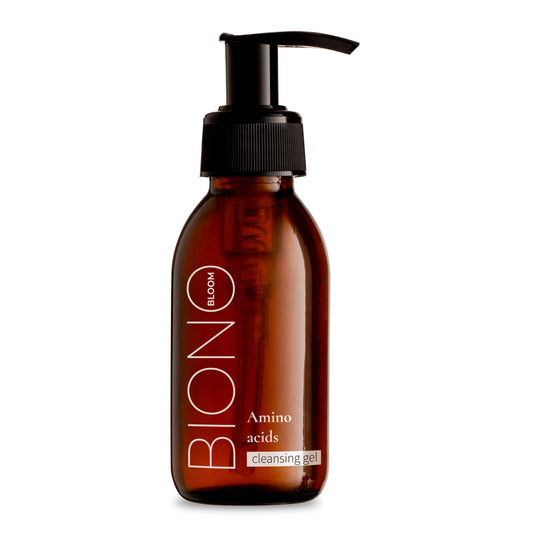
The first step is always to thoroughly but gently cleanse your face twice a day. Use a soft foam or gel appropriate for your skin type. The water should be lukewarm – too hot irritates and stimulates the sebaceous glands to overproduce. After washing, do not rub your face with a rough towel, but gently pat dry with a disposable paper towel or a clean, soft cotton one.
Consistency is the foundation of success. It takes approximately 28 days for the skin to "learn" new habits, which is one full cell renewal cycle. Don't expect miracles after a week – you'll see real results after a month of consistent skincare. Remember, overdoing it can be just as harmful as not doing it at all.

Homemade exfoliation – your secret arsenal against blackheads
Exfoliation is essential in the fight against blackheads, but not every peel will do the trick. Mechanical scrubs with coarse particles can micro-damage the skin and exacerbate the problem. A much better solution is acids, which dissolve the "plug" in the pore from within.
Salicylic acid is an absolute must-have for anyone wondering how to get rid of blackheads. It's lipophilic, meaning it penetrates sebum-filled pores perfectly. Toners or serums with a 0.5-2% concentration of BHA (beta-hydroxy acids) used every evening can work wonders. However, don't combine it with retinol in the same evening—this could overly irritate the skin.
AHAs (alpha hydroxy acids), such as glycolic and lactic acids, work on the skin's surface to remove dead cells. They're great for closed comedones because they "open" the pore, allowing sebum to escape. Start with low concentrations (5-8%), applied two to three times a week, gradually increasing the frequency.
How to get rid of closed blackheads without visiting a doctor
Closed comedones are a tougher nut to crack than blackheads, but consistent care yields results. Never try to pop them or force them out—you risk inflammation, scarring, and worsening skin condition. There are more effective and safer methods.
Retinol and its derivatives are the most effective weapon against closed comedones. They accelerate cell renewal and prevent the accumulation of dead skin cells in pores. Start with a low concentration (0.3%), applied twice a week, observing your skin's reaction. Remember to use a high SPF during the day, as retinoids increase photosensitivity.
Niacinamide (vitamin B3) at a concentration of 5-10% regulates sebum production and minimizes the appearance of pores. Furthermore, it has anti-inflammatory properties, which is especially important for closed comedones susceptible to bacterial infections. It can be used morning and night – it is well-tolerated with most active ingredients.
Cleansing masks – natural ways to get clearer skin
Masks are a great addition to your daily routine, but they can't replace it. Used once or twice a week, they can significantly improve skin condition and speed up the process of getting rid of blackheads. Choose ingredients tailored to your skin's needs.
The most effective ingredients in anti-blackhead masks are:
- Clay – especially kaolin or green clay, absorbs excess sebum without drying out
- Activated carbon – acts like a magnet for pollutants and toxins
- Sulfur – has antibacterial properties and regulates sebum production
- Zinc – calms inflammation and reduces sebum production
- Azelaic acid – lightens discolorations and cleanses pores
Clay masks should be left on the face for no longer than 10-15 minutes. If the clay dries completely, it will begin to draw moisture from deeper layers of the skin, which can lead to dehydration and, paradoxically, increased sebum production. Spray your face with thermal water during application to keep the mask moist.
After washing off the mask, always apply a light, moisturizing cream. Many people skip this step, thinking that oily skin doesn't need hydration – but that's a mistake. Dehydrated skin produces even more sebum to compensate for the lack of moisture. Choose lightweight, oil-free formulas with hyaluronic acid or glycerin.

Facial Steaming – Does It Really Help Fight Blackheads?
Facial steaming is an old, tried-and-true method that has made a comeback in recent years. Warm steam opens pores, loosening blockages and facilitating subsequent cleansing. It's a natural way to prepare the skin for further treatments.
Simply boil water, pour it into a bowl, and hold your face over the steam for 5-10 minutes, covering your head with a towel. You can add chamomile, lavender, or tea tree oil to the water for an enhanced anti-inflammatory effect. The steam not only opens pores but also improves microcirculation, giving your skin a healthy glow.
Important: steaming isn't for everyone. If you have very sensitive skin, rosacea, or dilated capillaries, it's best to skip this method. Using it too often (more than once a week) can weaken the skin's protective barrier. Always follow steaming with salicylic acid or a cleansing mask—it opens pores and allows the active ingredients to penetrate deeper.
Diet and lifestyle habits that influence skin condition
What you eat directly affects your body—including your face. There's no miracle diet that will eliminate all blackheads overnight, but long-term dietary changes can significantly improve skin condition. Research confirms the link between a high glycemic index diet and skin problems.
Foods high in simple sugars and processed carbohydrates cause a sharp increase in insulin levels, which stimulates the sebaceous glands to overproduce sebum. Cutting back on sweets, white bread, and fast food often produces visible results after just a few weeks. Instead, opt for low-GI foods: whole grains, vegetables, and fruits.
Omega-3 essential fatty acids have anti-inflammatory properties and help regulate sebum production. You can find them in oily fish, walnuts, flaxseeds, and avocados. Zinc, found in pumpkin seeds, cashews, and meat, also supports skin health. Don't forget to stay hydrated—1.5-2 liters of water a day is a minimum.
Mistakes That Are Sabotaging Your Fight Against Blackheads
Even the best intentions can lead astray if you make basic skincare mistakes. The first and most common is overexfoliation. Many people think that the more often they exfoliate, the faster they'll get rid of the problem. The truth is the exact opposite – dry, irritated skin produces more sebum in defense.
Another common mistake is using too many products at once. When you see the first blackhead, the temptation to reach for everything at once is overwhelming: acids, retinol, exfoliation, mask – every day. The result? A damaged protective barrier and, paradoxically, more imperfections. The skin needs time to adapt to the new ingredients.
Using comedogenic cosmetics is a waste of money. Heavy coconut oils, cocoa butter, or lanolin in creams can clog pores. Check the ingredients of cosmetics and look for "non-comedogenic" labels. The same goes for hair products – if they run down your face, they can cause blackheads along your hairline and on your forehead.
When home remedies are not enough
Sometimes, despite your best efforts and consistent care, blackheads persistently return, or the number of closed comedones increases instead of decreases. This is a sign that professional help may be needed. This doesn't mean you've failed—some cases simply require stronger remedies.
The sequence of actions when home care does not bring results:
- Consultation with a dermatologist – will rule out hormonal problems and other diseases
- Professional cleansing treatments – performed manually by a cosmetologist are safer
- Acids in higher concentrations – office peels with 20-30% acids
- Prescription retinoid – tretinoin is much stronger than over-the-counter retinol
- Hormone therapy – in the case of blackheads caused by hormonal disorders
Persistent closed comedones that don't respond to standard care for 3-4 months may require more intensive intervention. Dermabrasion, microneedling, or LED light therapy are procedures that significantly accelerate results. Don't hesitate to seek professional help—it's not a failure, but a sensible approach to skin health.
If blackheads appear primarily in a specific location (e.g., only on the chin) and you have other symptoms, such as irregular periods or excessive hair growth, it's worth having your hormone levels checked. Hormonal blackheads require treatment for the cause, not just the symptoms.
Prevention, or how to prevent the problem from returning
The best strategy is to prevent blackheads from forming, rather than fighting them later. Once you achieve clear skin, don't abandon your routine – reduce the intensity, but maintain consistency. Skin has a memory and quickly reverts to old habits if you stop caring for it.
Don't neglect makeup removal, even if you're exhausted. Leaving makeup on overnight is the fastest way to clogged pores. Keep micellar wipes by your bed in case you're extremely tired—it's better than nothing. Change your pillowcases every 3-4 days—they accumulate bacteria, sebum, and dead skin cells, which are then transferred back to the skin.
Don't touch your face with unnecessary hands. This is the hardest habit to break, but one of the most important. Our hands touch hundreds of surfaces daily, collecting bacteria. Every time you touch your face, you risk transferring contaminants into your pores. Be careful when making phone calls—your phone screen should also be disinfected regularly.
Summary: patience and regularity are the key to success
Getting rid of blackheads at home is a marathon, not a sprint. There's no magic pill or cream that will fix the problem overnight. Real, lasting results require 4-6 weeks of consistent care. The key is to find a routine that works for your skin and stick with it.
Remember the golden rules: gentle but regular cleansing, systematic exfoliation with acids, moisturizing even oily skin, and sun protection. Don't overly attack your skin and give it time to regenerate. Observe how it reacts to individual products and adapt your care routine. Your skin is unique and may require a personalized approach. With the right knowledge and patience, clear, blackhead-free skin is completely achievable.