
Good moisturizing face cream - how to recognize it and choose one for yourself
Skin tightness after washing, dull complexion, fine lines visible despite young age — these are the most common signs that the skin lacks moisture. The cosmetics market offers hundreds of products promising "deep hydration," but not every cream actually delivers. A good moisturizing face cream is not a matter of a marketing slogan on the packaging, but rather of a specific composition, appropriate texture, and regular application tailored to the skin's needs.
Below you will find specific tips on how to distinguish a truly effective moisturizing cream from a product that only temporarily smooths the epidermis. We will show you which ingredients to look out for, how to choose a cream for your skin type, and how to apply it correctly so that the effects last longer than a few hours after application.
What is skin hydration and why is it so easy to neglect?
Skin hydration is not the same as skin oiliness — it is the epidermis's ability to retain water in its layers. Dehydrated skin can occur in both dry and oily skin types, because the level of hydration is determined by the condition of the hydrolipid barrier, not the amount of sebum produced. When this barrier is weakened by sun, wind, air conditioning, or overly aggressive cleansing, water escapes from the skin faster than we can replenish it.
This is why many people mistakenly forgo moisturizing cream when their skin is oily or acne-prone, fearing that the product will "add" even more shine. However, it is precisely dehydrated, oily skin that often produces excess sebum, trying to compensate for the lack of moisture. A well-chosen moisturizing cream with a light formula can actually reduce this problem instead of worsening it, which is why it's worth evaluating cosmetics not by the "for oily skin" label, but by the actual ingredients.

Ingredients that truly moisturize — what to look for on the label
The most recognizable moisturizing ingredient is hyaluronic acid, which can retain many times its own weight in water, making the skin appear firmer and plumper after just a few days of use. Squalane plays an equally important role—a light, well-tolerated oil that penetrates the skin without leaving a greasy film and strengthens its natural protective barrier. Glycerin, urea, and shea butter are other humectant and occlusive ingredients that together form a comprehensive system for retaining moisture in the epidermis.
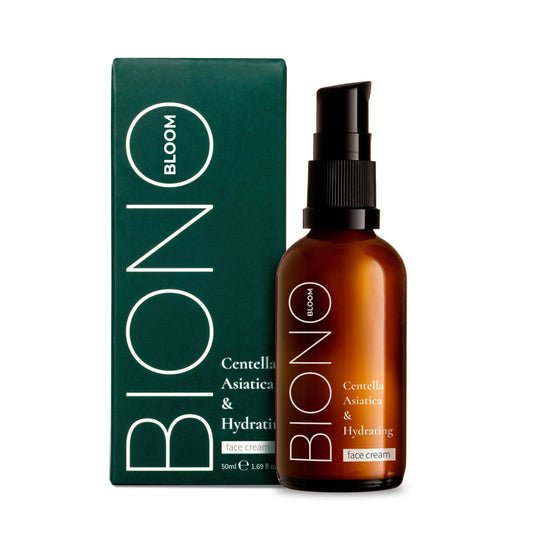
It is also worth paying attention to ingredients that support regeneration and rebuilding of the skin barrier, such as ceramides, Centella Asiatica extract, or panthenol. Centella supports collagen synthesis and soothes irritations, making it effective even for sensitive or reactive skin. An example of such a combination is the moisturizing face cream with squalane and centella, where squalane is responsible for deep hydration, and centella together with arginine supports skin firmness and elasticity.
How to choose a moisturizer for your skin type
Dry and normal skin responds best to richer, creamy textures with a high content of plant oils and shea butter, which rebuild the hydrolipid barrier and prevent water loss throughout the day. Oily and combination skin, on the other hand, needs lighter formulas—gel-creams or emulsions that moisturize without a heavy or shiny effect during the day. Sensitive skin tolerates minimalist formulations best, without artificial fragrances and dyes, with the addition of soothing ingredients such as panthenol or allantoin.
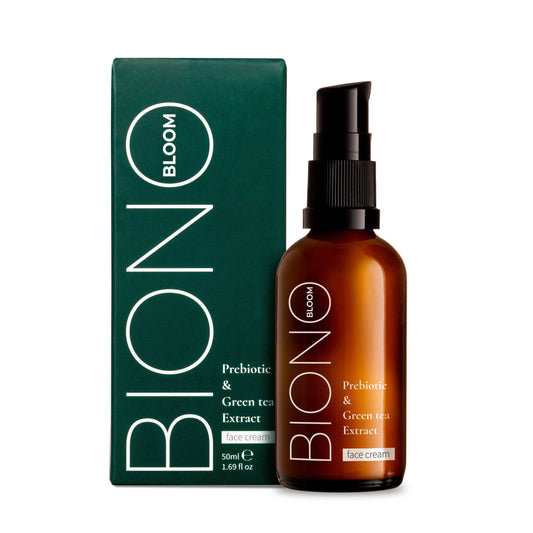
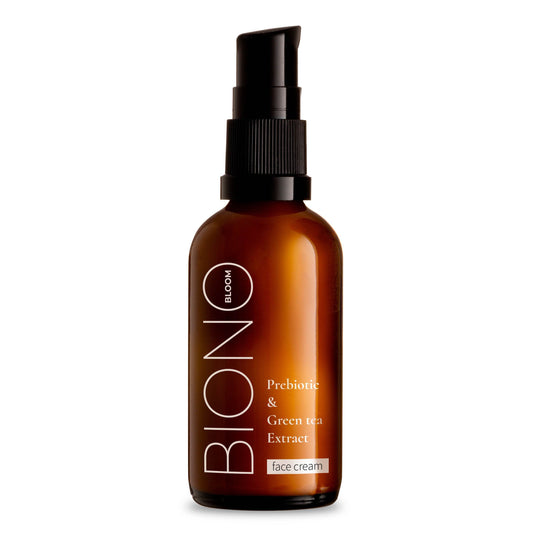
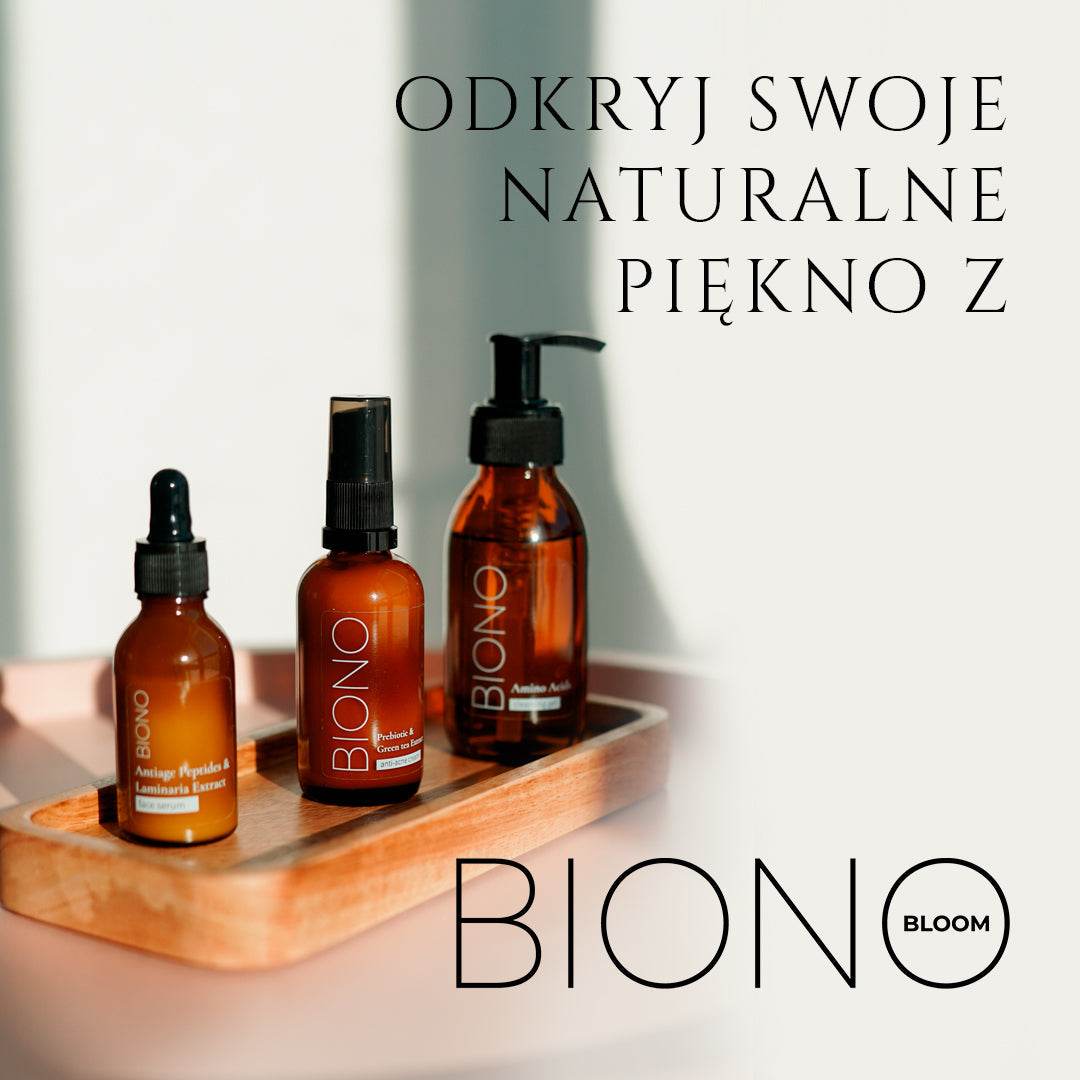
A well-designed moisturizing cream, such as the aforementioned product with squalane and centella, has a light enough consistency that it penetrates the skin without leaving a greasy shine, making it suitable for both normal and dry skin types. If you also struggle with imperfections and oily skin, it's worth considering alternating a moisturizing cream with a product focused on sebum regulation, such as an anti-acne face cream with prebiotics and green tea extract, which additionally supports the skin microbiome.

How to correctly apply moisturizing cream to see real results
Choosing a good cream is only half the battle – the way it's applied is just as important. The cream should be applied to thoroughly cleansed, slightly damp skin, gently massaging in circular motions from the center of the face towards the jawline and neck. Applying cream to damp skin helps to "seal" an additional layer of water in the epidermis, which enhances the moisturizing effect compared to applying it to dry skin.
It's also worth remembering the order of products in your skincare routine – moisturizing cream is best applied after serum or toner, and before any SPF during the day. In the morning, a light formula will help prepare the skin for makeup and protect it from water loss throughout the day, while in the evening, the same or a richer cream will support skin regeneration during sleep. The effects of regular use – increased elasticity, smoothness, and natural skin radiance – usually become noticeable after two to four weeks of consistent care.
Common mistakes when using moisturizing creams
One of the more common mistakes is giving up on moisturizing cream for oily or acne-prone skin for fear of additional shine. However, skipping this step often leads to overproduction of sebum and exacerbates the problem, rather than solving it. Another mistake is applying too little product – an overly frugal application does not allow the cream to form an effective protective layer on the skin's surface.
A common problem is also a lack of consistency – using the cream irregularly or giving up on it after a few days, before the active ingredients have had a chance to show real effects. It is also worth avoiding frequent product changes, as the skin needs time to fully respond to a new formula. If you want stable results, it is better to stick to one well-chosen moisturizing cream for several weeks, observing the changes, instead of testing successive products one after another.

Summary
You can recognize a good moisturizing face cream not by the promises on the packaging, but by its actual composition – the presence of hyaluronic acid, squalane, or skin barrier-supporting ingredients such as Centella Asiatica. Equally important is matching the texture to your skin type and regular, correct application as part of your daily skincare routine.
If you're looking for a proven solution, the moisturizing face cream with squalane and centella is a proposition combining a light texture with comprehensive moisturizing and regenerating action. You can find the full range of face care cosmetics in the Biono Bloom face cream collection – choose a product tailored to your skin's needs and enjoy its better condition every day.