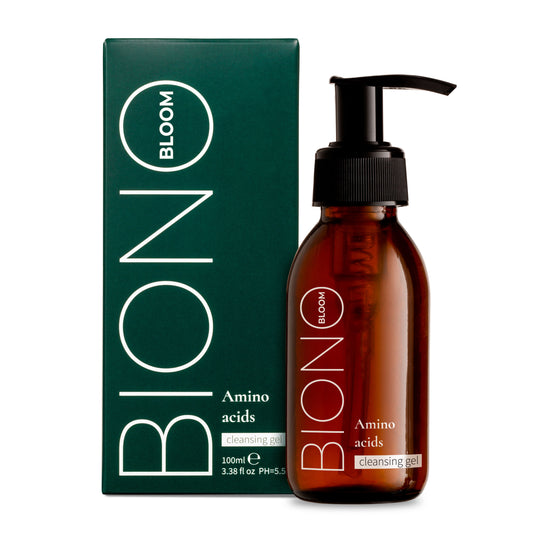

The best face wash products: gel and foam
Cleansing is the step in skincare where every healthy skin begins—and it's the one that most determines how your face will look throughout the day. Today, the assortment of cleansing cosmetics is so wide that even experienced customers sometimes get lost among dozens of formulas and textures. To avoid spending money on products that won't work, it's worth understanding the difference between gel and foam, who each of these formats suits, and what to look for when choosing.
How to choose the ideal face wash product
Face wash products perform one main function—they gently but effectively remove excess sebum, makeup residue, sunscreen, and impurities that accumulate during the day. If cleansing is chosen correctly, the skin remains comfortable afterward, without a feeling of tightness or—quite the opposite—a greasy film. That's why a sensible approach to choosing a cleansing product often yields a greater effect than buying expensive serums and creams.
The mistake many people make is choosing face wash products randomly—guided by advertising, scent, or eye-catching packaging, ignoring their own skin type. Meanwhile, a formula ideal for oily skin may turn out to be too aggressive for dry skin, and vice versa. Therefore, we will further discuss key formats and categories so that you can consciously build your own skincare routine and not return to the store shelf feeling lost every time.

How to choose face cleansing products
Before we move on to specific formulas, it's worth defining the main selection criterion—skin type and condition. Dry skin needs gentle cleansing with additional hydration, oily skin needs sebum-controlling but non-drying formulas, and sensitive skin needs a maximally simple composition without irritating substances. A universal solution does not exist, and that's perfectly normal: face wash products are chosen as individually as the entire skincare routine.
The second important issue is surfactants, which are the base responsible for cleansing. Aggressive sulfates produce abundant foam and a "squeaky clean" feeling, but often destroy the protective barrier, after which the skin reddens, flakes, or starts to shine even more. Milder cleansing ingredients work more gently and are suitable for daily use even for people with reactive skin. In practice, it is precisely switching to a milder formula that often solves problems that have been tried to "cure" for years with strong-acting products.
The third criterion is pH level and auxiliary ingredients. It is good if the cleansing product is close to the natural, slightly acidic pH of the skin and contains moisturizing substances such as glycerin, panthenol, or aloe. This reduces the risk of dryness and makes washing comfortable at any time of year. If you keep these three reference points in mind—skin type, formula base, and ingredients—choosing a face wash product will become much simpler.
The best face wash products for various needs
When it comes to the best face wash products, one thing must be remembered: no ranking will be universal. The best product is the one that meets your specific needs, not some abstract "most popular" cosmetic. Therefore, instead of a single list of leaders, it is more sensible to be guided by categories, each of which solves a specific task.
A notional ranking of face wash products by purpose looks like this:
- Gel for oily and combination skin — controls shine, gently cleanses pores, leaves no film.
- Gel for dry skin — gently cleanses and simultaneously moisturizes, preventing a feeling of tightness.
- Product for sensitive skin — minimalist formula without fragrances and aggressive SPCs.
- Gel with salicylic acid — suitable for acne-prone skin with enlarged pores.
- Cleansing foam — airy consistency for gentle, daily cleansing.
This approach allows you to quickly narrow down the choice: just identify your main need and go to the specific category. It is also worth remembering that skincare can change with the seasons—in winter, the skin often needs milder cleansing, and in summer, quite the opposite—deeper cleansing. Therefore, it is ideal to have two products on hand for different skin conditions.

Face wash gel and its advantages
Face wash gel is probably the most popular cleansing format, and there are several reasons for this. It has a transparent or semi-transparent consistency, spreads easily, rinses off well, and leaves no heavy feeling. Gel effectively deals with sebum and surface impurities, which is why it works particularly well for oily and combination skin, although modern, moisturizing formulas make it universal.
Another advantage of gel is its economy and convenient dispensing. A small amount of product is enough to thoroughly cleanse the face, and a pump or tube allows easy control of the amount. In practice, gel most often becomes the primary product for daily washing in the morning and evening, as it combines effectiveness with comfort and does not require any special application skills.
At the same time, face wash gel is not a single formula, but an entire category with different purposes. Within it, we can find variants for dry and sensitive skin, products with active acids for problematic skin, and gentle cleansing preparations without fragrances. Therefore, when choosing a gel, it is worth looking not only at the format but also at the ingredients and the manufacturer's indications regarding the skin type for which the product was created.
Face wash gel for dry skin
Dry skin requires a particularly careful approach because it naturally lacks lipids and moisture. Unsuccessful cleansing easily exacerbates the situation: an aggressive product leads to a feeling of tightness, flaking, and even minor cracks. Therefore, a face wash gel for dry skin should not only cleanse but also support the hydrolipid barrier, without disrupting natural protection.
What to look for when choosing a face wash gel for dry skin:
- Moisturizing ingredients — glycerin, hyaluronic acid, panthenol, which retain water in the skin.
- Emollient oils and butters — help avoid a feeling of tightness after washing.
- Absence of aggressive sulfates — a mild cleansing base instead of abundant foam.
- Neutral or slightly acidic pH — to avoid shifting the skin's balance towards alkaline.
- Minimum fragrances and dyes — fewer potential irritants for dry and reactive skin.
A good indicator of a successful choice is immediate comfort after washing. If the skin doesn't "squeak," doesn't feel tight, and doesn't require immediate application of cream—the formula is suitable. For people with very dry skin, it's sometimes worth supplementing the gel with creamy cleansing or milk in the evening, especially in the cold season when the skin is most prone to dehydration.
Face wash gel for sensitive skin
Sensitive skin reacts to the slightest irritants with redness, stinging, or discomfort, so cleansing products are chosen for it with extreme care. A face wash gel for sensitive skin should have a maximally simple composition: the fewer potential allergens and active additives, the lower the risk of an undesirable reaction. Complex, multi-ingredient formulas with intense fragrances usually do not serve such clients well.
Cosmetologists' practice shows that people with sensitive skin and a tendency to rosacea benefit most from formulas with soothing ingredients—Asian centella extract, aloe, niacinamide, or thermal water. These reduce reactivity and help the skin remain calm even after contact with hard tap water. A face wash gel for sensitive skin ideally should not contain alcohol, aggressive SPCs, or intense fragrances.
Separately, it is worth paying attention to water temperature and washing technique. Even the gentlest gel will not produce the desired effect if we rinse it with hot water and vigorously rub the face with a towel. For sensitive skin, lukewarm or cool water is most comfortable, along with gentle patting dry with a towel. Such a careful approach combined with a properly selected product significantly reduces redness and restores a feeling of comfort to the skin.
Face wash gel with salicylic acid
For skin prone to oiliness, blackheads, and breakouts, a separate category is face wash gel with salicylic acid. Salicylic acid belongs to beta-hydroxy acids and is fat-soluble, which allows it to penetrate pores, dissolve excess sebum, and gently exfoliate dead skin cells. This makes the skin appear cleaner, and pores become less visible.
Key benefits of face wash gel with salicylic acid:
- Deeper pore cleansing — the acid works inside the pore, not just on the surface.
- Oil control — helps reduce excessive sebum production.
- Acne prevention — reduces the risk of blackheads and inflammation.
- Gentle exfoliation — gradually evens out skin tone and texture.
Despite its effectiveness, such a product requires a sensible approach. The acid can be drying, so people with sensitive or dry skin should use it not daily, but several times a week, carefully observing the skin's reaction. Sun protection becomes an indispensable companion, as exfoliated skin is more susceptible to UV radiation. By adhering to these simple rules, salicylic acid gel becomes an effective aid in the care of problematic skin.
Face cleansing foam: who suits this format
Face cleansing foam differs from gel primarily in consistency: the product is dispensed from the packaging already foamed or easily transforms into an airy foam upon contact with water. This consistency makes cleansing exceptionally gentle, as the foam spreads evenly over the face and does not require intense rubbing. This makes this format attractive for people who value gentleness and comfort in their daily skincare routine.
Face cleansing foam works best for people with dry, sensitive, and normal skin, for whom lightness and a lack of tightness are important. However, there are also balanced formulas for combination skin that gently cleanse the T-zone without drying out the cheeks. Thanks to its airy consistency, foam is also well suited for morning cleansing, when the skin does not need deep cleansing, but only a light refresh.
It should be noted that some foams may contain a stronger cleansing base than it seems at first glance, so it's worth reading the ingredients here too. If the skin remains comfortable and moisturized after washing—the formula is suitable. In combination with an alcohol-free toner and a moisturizing cream, foam becomes an element of a gentle but effective routine that supports healthy skin every day.
Face wash gel: opinions and real experiences
Before buying a new product, many customers search online for " face wash gel reviews" to get an idea of what to expect. This is a sensible habit, but it's worth using others' experiences with an adjustment for your own skin type. What worked perfectly for someone with oily skin may not work for dry skin, so reviews are primarily useful as a guide regarding consistency, scent, product consumption, and the general feeling after washing.
When analyzing reviews of face wash gel, it is worth paying attention to specifics, not emotional evaluations. Comments are valuable when authors describe their skin type, duration of use, and noticeable changes—reduced oiliness, no feeling of tightness, or, conversely, the appearance of irritation. Generalizations like "I liked everything" contribute little, while a detailed description of experiences helps predict whether the product will work for you.
The most reliable approach is to combine others' opinions with your own testing. If possible, it's worth starting with a small package or sample and observing the skin's reaction for a few days. Personal experience remains the most important criterion, because even the best-rated face wash gel in rankings may not work for a particular person due to individual predispositions. Combining healthy skepticism with a careful approach to your own face always yields the best results.
Cleanliness starts with the right product
Well-chosen cleansing is the foundation without which the rest of your skincare loses effectiveness. Regardless of whether you choose a gel or a foam, the most important thing is that the formula suits your skin type and does not disrupt its natural balance. Face wash products for dry, sensitive, or problematic skin differ significantly from each other, and it is this conscious choice that helps avoid dryness, irritation, and excessive shine.
By being guided by ingredients, skin type, and your own feelings after washing, you can easily create a routine that will work specifically for you. Other people's opinions, rankings, and lists of the best face wash products will become useful tips, but the final say always belongs to your skin. If you approach the topic thoughtfully, even a simple, daily step like cleansing will significantly improve your complexion and lay a solid foundation for healthy and well-cared-for skin.