
Facial care after 50 - rejuvenating and refreshing the skin at home
Turning fifty is a time when skin requires a well-thought-out skincare strategy based on advanced ingredients and consistency. Sagging facial skin after 50 isn't an inevitable consequence of age, but a challenge that can be effectively overcome with the right product selection, regular treatments, and a holistic approach, restoring skin's density, radiance, and elasticity.
Natural skin changes after the age of fifty
After the age of 50, skin undergoes significant transformations on many levels. Collagen production naturally declines by approximately 1-2% per year, and after this age, this process can accelerate by up to 30% within five years. After the age of 50, sagging facial skin loses its structure—collagen fibers become thinner, less numerous, and less organized, which directly translates into a loss of firmness and the appearance of deep gravitational wrinkles.
The epidermis, which until now served as a solid protective barrier, decreases in thickness by approximately 15%. Basal cells divide more slowly, extending the skin's renewal cycle from 28 to as much as 45-60 days. Skin hydration becomes a key challenge as natural moisturizing factors (NMF) levels drastically decline, and sebaceous glands produce half as much sebum. The skin loses its ability to retain water, leading to tightness, roughness, and increased sensitivity to external factors.
Microcirculation in the skin deteriorates by 30-40%, meaning cells receive less oxygen and nutrients. Melanocytes function irregularly, causing discoloration and uneven skin tone. Deeper fat tissue atrophies, particularly around the cheeks and temples, leading to facial sagging and a loss of youthful contouring. Facial care after 50 must address all these multi-level changes, using products with high concentrations of active ingredients and technologies that support deep penetration.

How to rejuvenate your face after 50 at home - Revolutionary active ingredients
Retinoids remain the most researched anti-aging ingredient, but their use after 50 requires strategy. Encapsulated retinol or retinaldehyde provides effectiveness with minimal irritation—ideal for sensitive, mature skin. Retinoid serums should be introduced gradually, starting with twice-weekly applications and observing skin's reaction. How to rejuvenate your face after 50 at home? Consistent use of retinoids for at least six months activates the genes responsible for collagen production, reduces wrinkles by 20-40%, and improves skin texture.
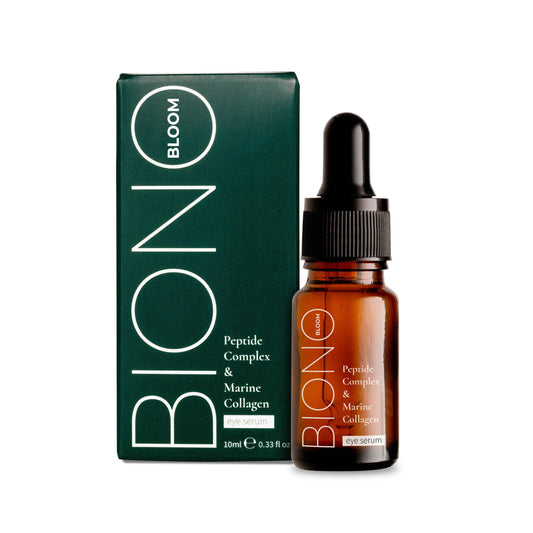
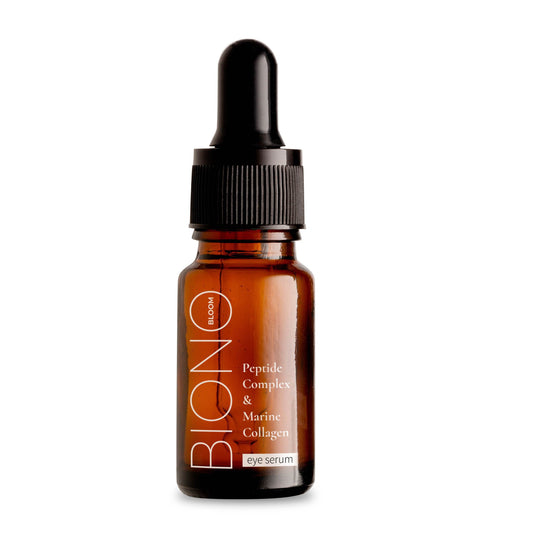
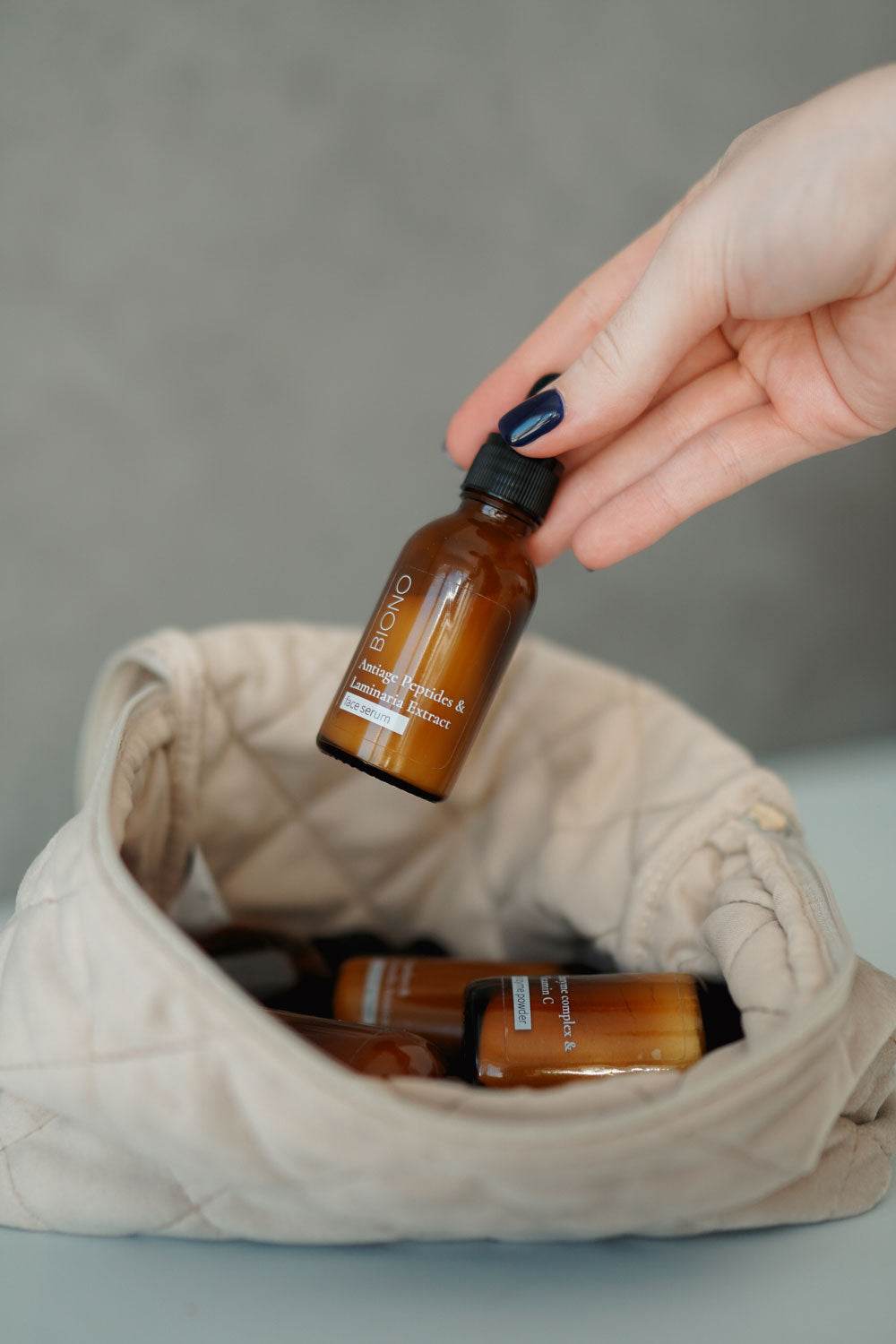
Biomimetic peptides are a breakthrough in mature skin care – small protein molecules that communicate directly with cells. Matrixyl 3000 stimulates the synthesis of collagen types I, III, IV, and VII, Argireline acts like a local Botox, relaxing facial muscles, and copper-GHK promotes healing and regeneration. A skin serum rich in a peptide complex is the foundation of an effective skincare routine – applied both morning and night, they penetrate deeply and work at the cellular level without the risk of irritation.
Ceramides, in an optimal ratio with cholesterol and fatty acids (3:1:1), rebuild the damaged lipid barrier—absolutely crucial for skin hydration after age 50. A face cream with a ceramide complex, used consistently for 8-12 weeks, can increase hydration by 30% and significantly reduce transepidermal water loss (TEWL). Antioxidants such as vitamin C, ferulic acid, resveratrol, and coenzyme Q10 protect the skin from oxidative stress, which intensifies after age 50 due to weakened natural defense mechanisms.
Advanced step-by-step skincare routine for 50+ skin
Morning care - Protection and hydration:
- Gentle cleansing - SLS-free face gel or milk that does not damage the hydrolipid barrier
- Facial toner - a rich-consistency preparation with hyaluronic acid and electrolytes, restoring pH
- Antioxidant serum - concentrate with vitamin C 15-20%, ferulic acid and resveratrol
- Peptide Skin Serum - Light texture with Matrixyl and Argireline for extra regeneration
- Eye cream - a formula with caffeine, escin and peptides that reduce dark circles and puffiness
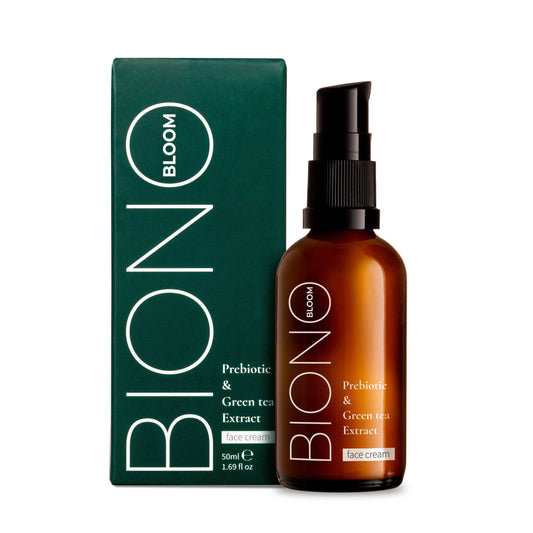
- Face cream - rich texture with ceramides, squalane and plant butters
- SPF 50 PA++++ cream - broadband protection, even on cloudy winter days
Your evening routine is a time of maximum regeneration, when your skin is most receptive to active ingredients. A two-step makeup removal—first with an oil or balm, then with a facial gel—thoroughly removes all impurities without harsh rubbing. An alcohol-free facial toner enriched with hyaluronic acid and niacinamide prepares the skin for the deep absorption of subsequent layers of care. How to refresh your face after 50? Evening regeneration is the foundation of a youthful appearance.
Apply a skin serum with retinaldehyde or bakuchiol to a thoroughly cleansed, but not damp, face – slightly damp skin increases penetration but also increases the risk of irritation. After 5-10 minutes, apply a face cream with a richer consistency than a day cream, containing regenerating oils (argan, rosehip, evening primrose) and shea butter. Sagging facial skin after the age of 50 requires extra support – once a week, it's worth using an intensive overnight mask with a high concentration of peptides and ceramides, which works overnight, maximizing the regenerative effects.
Enzymatic powder and peeling - The key to the renewal of mature skin
Regular exfoliation is the absolute foundation of anti-aging skincare, but after 50, it requires a more gentle approach. Enzymatic Powder is an innovative exfoliating formula that activates only when mixed with water, creating a delicate foam. Proteolytic enzymes (papain from papaya, bromelain from pineapple) dissolve dead skin cells without mechanical friction, which is ideal for thin and sensitive mature skin. Used 2-3 times a week, Enzymatic Powder smooths texture, brightens discolorations, and prepares the skin for better absorption of serums and creams.
PHAs (polyhydroxy acids) are the safest form of chemical exfoliation for skin over 50. Lactobionic acid and glucoheptonate have larger molecules than traditional AHAs, allowing them to penetrate more slowly and without causing irritation. They also act as powerful antioxidants and bind moisture to the skin. A facial toner with 8-10% PHAs, used every evening, effectively renews skin without the risk of dryness or sensitivity. How can you rejuvenate your face after 50 at home? The answer lies partly in intelligent exfoliation.
Mandelic acid, thanks to its large molecule and lipophilic properties, penetrates slowly and evenly, making it an ideal choice for sensitive skin. Used at a 10-15% concentration once a week as a home exfoliator, it can replace professional in-office treatments. Facial care after 50 should include regular exfoliation, but always combined with intensive hydration. After each exfoliation, apply a skin serum with hyaluronic acid and a nourishing face cream to support regeneration and prevent dryness.

Carboxytherapy and innovative home rejuvenation methods
Carboxytherapy is a treatment that brings professional office effects to your bathroom. Carbon dioxide (CO2) masks and cosmetics stimulate the Bohr effect – in response to a local increase in CO2, the body increases blood flow and delivers more oxygen to tissues. Carboxytherapy in the form of peel-off or cloth masks, applied two to three times a week, improves microcirculation by 40%, immediately giving the skin a fresh, rosy appearance and long-term stimulating collagen production. This innovative solution is particularly effective for sagging facial skin after the age of 50.
Kobido massage is a Japanese technique that's gaining recognition among dermatologists worldwide as a natural facelift. This deep, precise massage stimulates all 48 facial muscles, improves lymphatic drainage, and increases collagen production by up to 25%. Performed daily for 15-20 minutes according to a specific protocol, it produces spectacular results – lifting sagging cheeks, smoothing nasolabial wrinkles, and sharpening the jawline. How to refresh your face after 50? Massage performed with a skin serum or oil combines mechanical stimulation with deep penetration of active ingredients.
Microneedling mesotherapy using a dermaroller or dermapen is an advanced skin stimulation technique. Micro-injuries caused by 0.25-0.5 mm needles trigger a cascade of repair processes, releasing growth factors, activating fibroblasts, and increasing collagen production by up to 400%. Performed every 2-3 weeks, combined with an intensive skin serum (peptides, vitamin C, hyaluronic acid), the treatment produces results comparable to professional treatments at a fraction of the price. Facial care after 50 can incorporate such advanced methods if sterility is maintained and appropriate post-treatment products are used.
Skin hydration - an absolute priority after 50
Hydration after the age of fifty is not a luxury, but a basic physiological need. Natural aging processes lead to a decrease in sebum production and natural moisturizing factors (NMF), causing the skin to lose up to 40% of its water-holding capacity. Hyaluronic acid, in its various molecular forms, is the foundation of hydration – low-molecular-weight hyaluronic acid penetrates deep into the dermis, while high-molecular-weight hyaluronic acid forms a film on the surface, preventing evaporation. A skin serum with multi-molecular hyaluronic acid applied to damp skin can increase hydration by 60% in four weeks.
Polyglutamic acid (PGA) is the new superstar of hydration – it retains water 5,000 times better than hyaluronic acid and creates a breathable protective film on the skin. Glycerin at a concentration of 5-10% acts as a humectant, attracting water from deeper layers of the skin and the air. A facial toner with a combination of hyaluronic acid, PGA, and glycerin provides triple-powered hydration, preparing the skin for subsequent layers of care. Sagging facial skin after the age of 50 regains its elasticity primarily through proper hydration – well-hydrated collagen fibers are flexible, not brittle.
The most effective moisturizing ingredients for 50+ skin:
- Multi-molecular hyaluronic acid - works on different levels of the skin, 3D hydration
- Polyglutamic acid (PGA) - superhumectant, 5x more effective than HA
- Ceramides (NP, AP, EOP) - rebuilding the lipid barrier, retaining water in the skin
- Squalane - a biomimetic lipid that does not clog pores and deeply nourishes
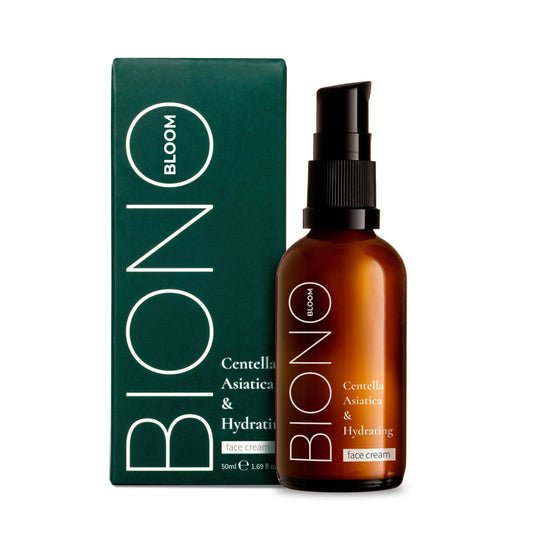
- Centella Asiatica Extract - stimulates the synthesis of hyaluronic acid in the skin
- Niacinamide 5% - strengthens the barrier, increases ceramide production by 34%

Lifestyle and supplementation - Beauty from within
Hydrolyzed collagen in the form of type I and III collagen peptides is the only supplement whose effectiveness is confirmed by clinical studies. A daily dose of 2.5-10 g for a minimum of 12 weeks increases skin elasticity by 20%, hydration by 28%, and dermal density by 9%. Marine collagen is characterized by the highest bioavailability—1.5 times better than bovine collagen. Enriched with vitamin C (a cofactor in collagen synthesis) and oral hyaluronic acid, it provides comprehensive support for skin hydration from within.
Omega-3 fatty acids (EPA and DHA) at a dose of 2-3 g daily are a powerful anti-inflammatory agent that directly impacts skin condition. Chronic, low-grade inflammation (inflammation) is one of the main mechanisms of skin aging – omega-3 effectively suppresses it while improving the integrity of the lipid barrier. Gamma-linolenic acid (GLA) from evening primrose oil at a dose of 500 mg daily is particularly helpful for dry and irritated skin. Sagging facial skin after the age of 50 requires internal support – supplementation complements the external effects of face creams and skin serums.
Antioxidants protect the skin from oxidative stress, which intensifies after the age of 50 due to weakened natural defense mechanisms. Resveratrol 150-500 mg, coenzyme Q10 100-200 mg, astaxanthin 4-12 mg, vitamin C 500-1000 mg, and vitamin E 400 IU provide a comprehensive antioxidant shield. Organic silicon 10-20 mg daily is a building block of collagen and elastin. Vitamin D3 - maintaining levels of 40-60 ng/ml is crucial for skin health. How to rejuvenate your face after 50 at home? By combining external care with internal supplementation.
Summary - An Integral Rejuvenation Strategy After Fifty
Facial care after 50 is a multifaceted strategy combining advanced facial cosmetics, home treatments, technology, and internal support. Sagging facial skin after 50 responds to systematic treatment: retinoids and peptides in a skin serum, enzymatic powder for regular exfoliation, carboxytherapy to stimulate microcirculation, intensive skin hydration with a facial toner and a face cream with ceramides, and collagen and omega-3 supplementation. Consistency and patience are key – the first results are visible after 6-8 weeks, significant improvement after 3-6 months, and optimal results after a year of systematic care.
How to rejuvenate your face after 50 at home and how to refresh your face after 50? The answer lies in a holistic approach that treats the skin as a living organ requiring comprehensive support on many levels. A facial gel and toner in your daily routine, a skin serum with peptides and retinoids as active ingredients, a face cream with ceramides to rebuild the skin barrier, an enzymatic powder for gentle exfoliation, and carboxytherapy for stimulation – this is a synergistic system that, when combined, delivers results impossible to achieve with individual products. Skin hydration, sun protection, a healthy diet, and stress management complete the circle of comprehensive care. Beauty after 50 is not a myth – it's the result of conscious choices and systematic use of the right facial cosmetics.