
Skin Serum: How to Choose the Perfect One in 3 Steps
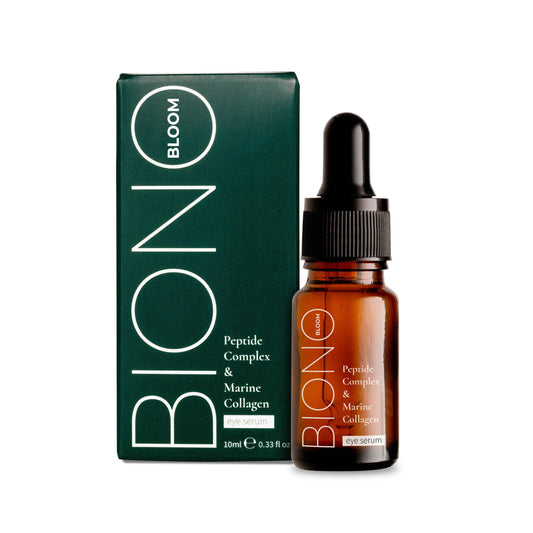
If you think a cream is enough for comprehensive care, you may be missing out on realizing your skin's full potential. A face serum is a concentrated powerhouse that revolutionizes the way we care for our skin – a small bottle filled with high concentrations of active ingredients that work where regular creams can't reach.
What exactly is a facial serum and why you need it
Skin serums are cosmetics with a light, fluid consistency that contain an exceptionally high concentration of active ingredients—up to 70%, compared to only 5-10% in creams. This unique formula is designed to penetrate the deeper layers of the epidermis and deliver intense doses of nutrients directly to skin cells. Small molecules of active ingredients can penetrate where larger molecules found in creams simply can't, acting at the cellular level and initiating real changes in the skin's structure.
Unlike creams, which primarily moisturize and create a protective barrier on the skin's surface, facial serums serve a therapeutic and repairing purpose. Serums contain the highest concentrations of vitamin C, retinol, hyaluronic acid, peptides, and niacinamide—ingredients that actually influence skin processes. Creams primarily act superficially and occlude, locking moisture into the skin, while serums work deeply, stimulating collagen production, neutralizing free radicals, and accelerating cell renewal.
It's a misconception that serums can replace creams, or vice versa – these two products work together in perfect symbiosis. A skin serum delivers active ingredients and addresses specific skin concerns, while a cream applied on top seals everything in place, provides hydration, and protects against external factors. It's like the foundation and walls of a building – you need both for a stable and functional structure. That's why dermatologists and cosmetologists agree: if you want to see true skin transformation, a serum isn't a luxury, it's a necessity.

Types of skin serums – find your perfect match
The world of serums is incredibly diverse, and choosing the right product depends on your individual skin needs and the issues you want to address. A moisturizing serum is essential for all skin types, especially dry and dehydrated skin – it contains hyaluronic acid, glycerin, or ceramides, which attract water like a magnet and restore proper hydration levels. This type of serum works great as a makeup base, giving skin a dewy effect and making it look healthier and more radiant. Those with normal or combination skin should also incorporate a moisturizing serum into their routine as a foundation for healthy skin.
This brightening and tone-evening serum is the number one choice for those struggling with discoloration, sun spots, or acne scars. The most effective ingredients include vitamin C, niacinamide, kojic acid, arbutin, and licorice extract, which inhibit melanin production and gradually reduce dark spots. Regular use of this brightening serum for 8-12 weeks can significantly even out skin tone and restore its natural radiance. It's also an excellent option for those who want to prevent new discoloration, especially in the summer, when the sun intensifies melanin production.
Anti-aging serum – your anti-wrinkle arsenal:
- Retinol (vitamin A) serum – the gold standard in the fight against aging, stimulates cell renewal, increases collagen production and reduces wrinkles
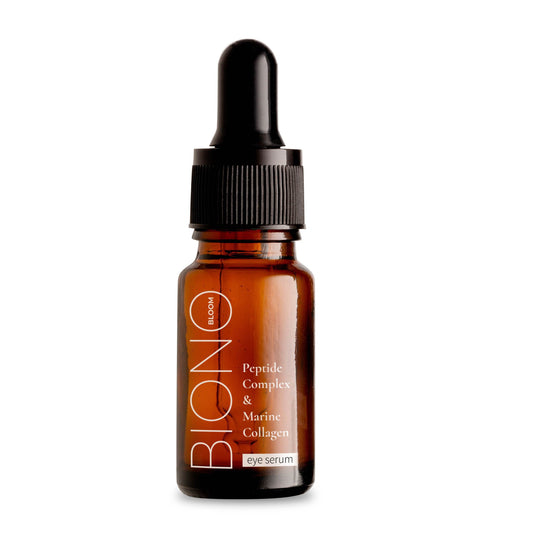
- Serum with peptides – signaling molecules that communicate with skin cells, telling them to produce new collagen and elastin
- Vitamin C Serum – a powerful antioxidant that neutralizes free radicals, brightens the skin and stimulates collagen synthesis
- Serum with hyaluronic acid – fills wrinkles from the inside, intensively moisturizes and smoothes fine lines
- Serum with resveratrol – an antioxidant from grapes that protects cells from damage and delays the aging process
How to properly apply face serum
Properly applying a face serum is an art that determines whether you'll utilize the product's full potential or waste its valuable ingredients. Always start by thoroughly cleansing your skin – serums should only be applied to clean skin, free of makeup, sebum, or impurities. If you're using a toner, wait until your skin is slightly damp, but not wet – damp skin absorbs the active ingredients better, while excess water can dilute them. If your skin is very sensitive, wait until it's completely dry before applying a serum, especially if it contains retinol or acids.
Quantity is key – most people use too much serum, which is a waste of an expensive product. Two to three drops for the entire face or a single dose from the pipette is enough – the serum is concentrated, so a small amount is enough to cover the entire face. Apply the drops to four points: forehead, cheeks, and chin, then use gentle, circular motions to blend the serum from the center of the face outward. You can use your fingertips, but if you want to go the extra mile, try the "pressing" technique – gently tap the serum into the skin instead of rubbing it in, which increases absorption.
The order in which you apply your products is crucial to their effectiveness. The rule is simple: from lightest to heaviest consistency and from lowest to highest pH. After cleansing and toning, apply your serum first (if you're using multiple serums, start with a water-based serum, then an oil-based one), wait 30-60 seconds for it to absorb, then apply your cream, and finally your sunscreen. Don't mix your serum with your cream—let it work on its own first. You can use different serums morning and night, depending on your needs—for example, vitamin C in the morning for free radical protection and retinol in the evening for intensive regeneration.
Active ingredients in the serum – meet your heroes
Hyaluronic acid is the absolute star of moisturizing serums and one of the most researched ingredients in cosmetology. This extraordinary molecule can bind water with a force 1,000 times greater than its own weight, acting as a microscopic reservoir of moisture in the skin. Serums contain various forms of hyaluronic acid – low-molecular-weight hyaluronic acid penetrates deeper layers of the skin and works from within, while high-molecular-weight hyaluronic acid remains on the surface, creating a moisturizing filter. People with all skin types can benefit from hyaluronic acid serums, as hydration is a fundamental need for all skin types, regardless of its condition or concerns.
Retinol, or vitamin A, is the most effective anti-aging ingredient, confirmed by dozens of clinical studies. Retinol serums accelerate cell renewal, stimulate collagen and elastin production, smooth wrinkles, lighten discolorations, and regulate sebum production. However, retinol demands respect – it is a powerful ingredient that can irritate sensitive skin, so it should be introduced gradually, starting with low concentrations (0.25-0.3%) and using 2-3 times a week. Over time, skin builds tolerance, and you can increase the frequency to daily use. Always use retinol in the evening and be sure to apply SPF during the day, as it makes skin more sensitive to the sun.

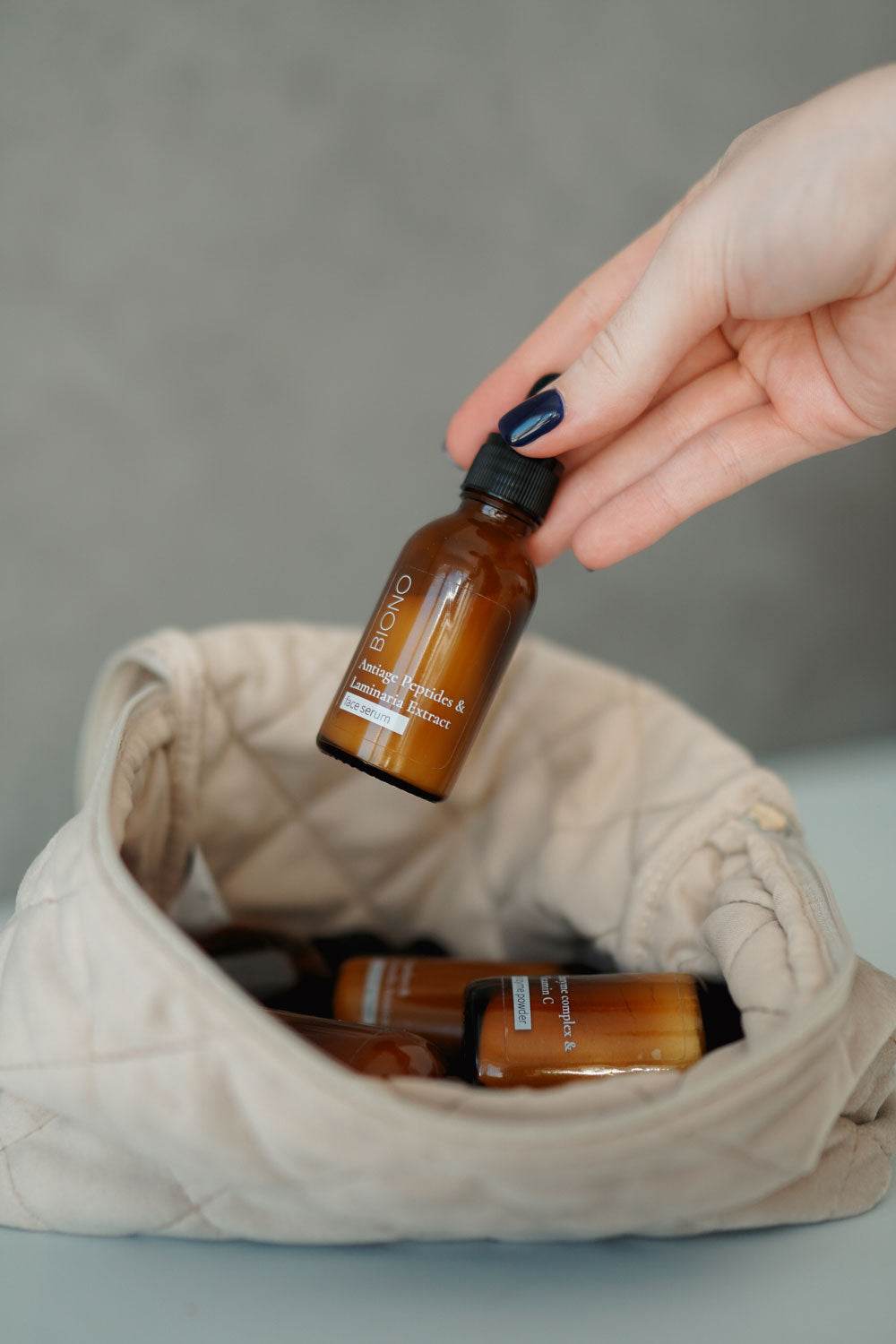
Vitamin C is a must-have in your morning skincare routine – it acts as a protective shield against pollution, UV radiation, and free radicals, which accelerate skin aging. A vitamin C skin serum brightens discolorations, evens skin tone, stimulates collagen production, and adds a natural glow to the skin. The most effective form is L-ascorbic acid at a concentration of 10-20%, but it requires stabilization – a good quality serum should be packaged in a dark bottle with a pipette, protecting it from light and air. Niacinamide (vitamin B3) is a universal hero that regulates sebum, minimizes the appearance of pores, reduces discoloration, and strengthens the skin's protective barrier, making it an excellent serum for problematic, oily, and sensitive skin.
How to choose a skin serum that suits your skin type
Dry and dehydrated skin needs a serum that acts like a deep drink for thirsty skin. Look for products containing hyaluronic acid in various molecular forms, glycerin, ceramides, squalane oil, or algae extract. Serums with plant oils such as argan oil, rosehip oil, or evening primrose oil are also a great option, as they not only moisturize but also rebuild the skin's lipid barrier. Avoid serums containing high concentrations of alcohol, which can further dry out the skin. For very dry skin, you can even mix a few drops of an oil serum with your cream, creating an ultra-nourishing cocktail for your complexion.
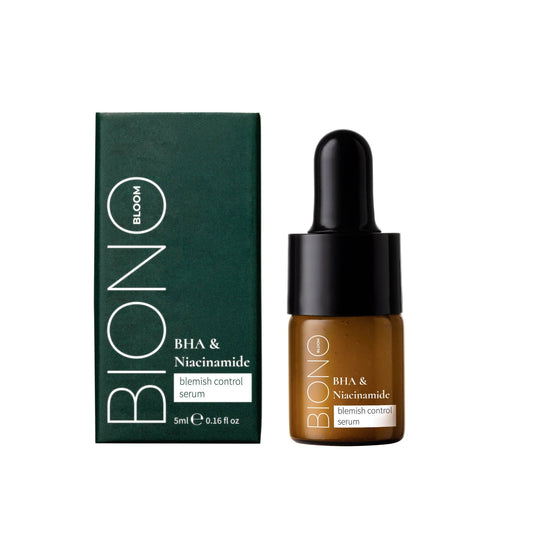
Oily and combination skin requires a serum with a light, watery consistency that won't clog pores and helps regulate sebum production. Niacinamide is your best friend – it reduces shine, tightens pores, and controls sebaceous glands. Salicylic acid in a low concentration (0.5-2%) exfoliates inside pores, preventing blackheads and breakouts. Zinc also works wonders, especially in serums designed for acne-prone skin. Avoid heavy, oily serums and choose those labeled "non-comedogenic," which won't block pores and contribute to blemishes.
Selection of serum according to age and needs:
- 20-25 years old – focus on prevention and protection: serum with vitamin C, hyaluronic acid and antioxidants that protect against premature aging
- 25-35 years old – introduce the first anti-aging ingredients: low concentration retinol, peptides, resveratrol and then vitamin C for protection
- 35-45 years – intensify anti-aging effects: higher concentrations of retinol, signaling peptides, niacinamide and hyaluronic acid for deep hydration
- 45-55 years old – focus on regeneration and reconstruction: retinol or retinaldehydes, peptides, bakuchiol, coenzyme Q10 and ceramides that strengthen the skin barrier
- 55+ years – comprehensive renewal: a combination of retinol, peptides, vitamin C, hyaluronic acid and ingredients stimulating the production of collagen type I and III
The most common mistakes when using facial serums
One of the most common mistakes is using too many serums at once, which can overwhelm the skin and lead to irritation. Many people make the mistake of layering one serum on top of another without pausing, which prevents proper absorption and reduces effectiveness. The rule of thumb is: a maximum of 2-3 serums in a single routine, applied at appropriate intervals. If you're using multiple active ingredients, separate them—for example, vitamin C in the morning and retinol in the evening. Also, remember that some ingredients shouldn't be combined—for example, retinol with an AHA/BHA acid at the same time can be too harsh on the skin.
Using a serum without a cream is another classic mistake that wastes the product's potential. A skin serum delivers active ingredients but doesn't protect them within the skin—you need a cream that acts as a "lid," sealing in all the beneficial substances and preventing them from evaporating. Without a cream, even the most expensive serum will quickly evaporate from the skin, failing to deliver the desired results. The exception may be very oily skin in the summer, which can settle for a light moisturizer instead of a cream, but still needs a protective layer.
Insufficient SPF use when using active serums is a mistake that can not only negate the effects of your skincare routine but even worsen your skin's condition. Ingredients like retinol, vitamin C, and acids increase skin's photosensitivity, making it more susceptible to sun damage. Without daily sun protection, you may notice discoloration deepening and the aging process accelerating rather than slowing it down. SPF 30 or higher is an absolute must every day, regardless of the weather or season—it's the most important investment in your skin's youthfulness.
When to expect results and how long to use the serum
Patience is a virtue, especially in skincare. Most serums require a minimum of 4-6 weeks of regular use before you see the first visible results. The skin's cell renewal cycle lasts about 28 days, meaning you need at least one full cycle for new, healthier skin to replace the old. Some effects, like hydration or radiance, may appear more quickly—even after a few days—but deeper structural changes, such as wrinkle reduction, discoloration brightening, or improved firmness, require consistent use for 2-3 months.
A facial serum isn't a seasonal product, but a permanent part of your skincare routine, one that should be used daily for a long time. Unlike vitamin treatments or in-office treatments, which are performed periodically, serums work best with regular, long-term use. Of course, you can change serums depending on the season—for example, in the summer, opt for lighter, moisturizing formulas with vitamin C, and in the winter, more nourishing ones with ceramides and oils. You can also rotate serums depending on your skin's current needs, but key ingredients like retinol and hyaluronic acid should be used consistently.
It's worth remembering that the effects of serums are not linear – there's often an initial adaptation period, especially with strong ingredients like retinol, when the skin may temporarily react with slight redness or peeling. This is a normal reaction called "retinization," which subsides after 2-4 weeks. After this adaptation period, you'll notice a gradual but spectacular improvement. The key is consistency – it's better to use the serum daily for 3 months than intensively for a week and then forget about it for a month. The skin responds to consistency, not sporadic, intense use.
Skin serum vs other cosmetics – what to choose?
Facial serums are often compared to ampoules, and while both products contain high concentrations of active ingredients, they differ in their intended use and application. Ampoules are intensive, short-term treatments (usually 7-28 days) that address a specific, immediate concern—for example, preparing the skin for an important event, regenerating after sun exposure, or treating irritation. Serums, on the other hand, are daily products for long-term use that consistently improve skin condition. You can use both—ampoules as an intensive booster several times a year, and serums as the foundation of your daily skincare routine.
Essences, popular in Korean skincare, fall somewhere between toners and serums—they have a lighter consistency than serums but contain more active ingredients than toners. While serums focus on addressing specific concerns (wrinkles, discoloration, acne), essences work more holistically, preparing the skin to better absorb subsequent products and providing an overall improvement. In an Asian skincare routine, both products are used—first the essence, then the serum—but if you have to choose just one, a skin serum will have a stronger, more targeted effect.
Facial oils are also often confused with serums, although they serve a completely different purpose. Oils primarily act as an occlusive agent—creating a barrier on the skin's surface that retains moisture and protects against water loss—but rarely contain active ingredients that can penetrate deeper. Serums, on the other hand, work in the deeper layers of the skin, delivering substances that actually change its structure and function. It's ideal to combine both products—a serum will deliver the active ingredients, while an oil or cream will secure them in the skin. For very dry skin, you can even mix a few drops of oil directly with the serum, creating a personalized, ultra-nourishing concoction.
Best serums according to skin problems
Problems and matching serum:
- Wrinkles and loss of firmness – serum with retinol 0.3-1%, copper peptides, bakuchiol, vitamin C and hyaluronic acid; use in the evening and build tolerance gradually
- Discoloration and uneven skin tone – serum with vitamin C (L-ascorbic acid 15-20%), niacinamide 5-10%, azelaic acid, arbutin or kojic acid; apply in the morning under SPF
- Acne-prone skin and imperfections – serum with niacinamide, 0.5-2% salicylic acid, zinc, retinol or retinal; avoid too many active ingredients at once
- Dry and dehydrated skin – serum with hyaluronic acid in various molecular weights, glycerin, panthenol, ceramides and beta-glucan; apply to damp skin
- Sensitive and reactive skin – serum with Asian centella, 2-5% niacinamide, allantoin, beta-glucan, oat extract; avoid alcohol, perfumes and strong acids
- Enlarged pores and oiliness – serum with niacinamide, salicylic acid, retinol, zinc PCA and fireweed extract; use water-based textures, not oil-based ones
- Loss of radiance and dull complexion – serum with vitamin C, ferulic acid, resveratrol, coenzyme Q10 and niacinamide; exfoliate regularly and use SPF
Skin serum and the seasons – how to adapt your care
Skin needs change with the seasons, so rotating your serums can help maintain optimal skin condition year-round. In spring, when skin is waking up from winter and is often dehydrated, reach for an intensely hydrating serum with hyaluronic acid and vitamin E. This is also a good time to introduce a gentle exfoliation with low-concentration AHA/BHA acids to remove dead skin cells and prepare skin for the sunny months. Spring is also the perfect time to start a brightening treatment to even out skin tone before summer.
Summer priorities shift – sun protection and antioxidants become crucial. A vitamin C face serum should be your best friend during these months, applied every morning under SPF 50+. Vitamin C not only protects against free radicals generated by UV radiation but also helps prevent discoloration and keeps skin radiant. In hot weather, choose lightweight, gel-based serums instead of greasy, oily formulas. If you use retinol, consider reducing its concentration or frequency of use, as skin is more sensitive to the sun in summer.
Fall is the best time for intensive regeneration and repair of summer damage. It's the perfect time to introduce or increase the concentration of retinol, which will work on wrinkles, sun spots, and overall skin texture. In winter, when the air is dry and skin is exposed to extreme conditions, choose an ultra-hydrating serum that strengthens the skin's protective barrier – ceramides, hyaluronic acid, squalane, and plant oils will be your allies. You can also use a richer, oil-based night serum for intensive regeneration while you sleep.
Summary: Small bottle, great transformative power
Skin serums are undoubtedly the most important product in modern skincare – they are a powerhouse that delivers active ingredients where they're needed most. High concentrations of active ingredients, small molecules that penetrate deep into the epidermis, and targeted action make serums an indispensable tool in the fight against wrinkles, discoloration, acne, and dehydration. Whether you're 25 or 55, there's a perfect serum tailored to your needs – from preventative antioxidant formulas to intensely regenerating cocktails with retinol and peptides.
The key to success is consistency, patience, and consciously choosing products tailored to your skin type and current needs. Remember the golden rules: cleanse first, then apply serum to damp skin, pausing for absorption, then cream, and always use SPF throughout the day. Don't be afraid to invest in a quality serum—it's a product that truly transforms your skin at the cellular level and delivers visible, long-lasting results. A carefully chosen facial serum is the best investment in the health, youthfulness, and beauty of your skin for years to come.