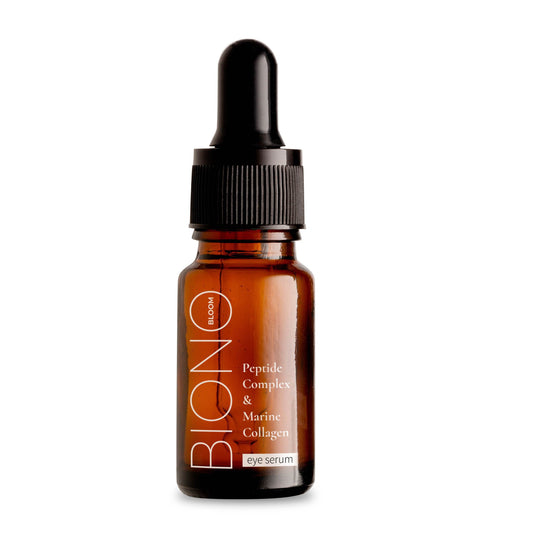

5 steps to flawless skin: proper facial care
The skin on the face is exposed daily to UV radiation, temperature fluctuations, polluted air, and stress, making it the most sensitive area of the body. A well-ordered sequence of treatments helps maintain firmness, even skin tone, and a healthy appearance for many years, while also preventing premature signs of fatigue and aging. Below, you will find a clear system that transforms daily rituals into a tangible effect without unnecessary waste of time and money.
Step-by-step facial care
To avoid getting lost among dozens of cosmetics, it's worth remembering the basic logic: step-by-step facial care is based on the principle of going from the lightest textures to the thickest and always proceeds in one direction. First, the skin is cleansed, then toned, then a targeted serum is applied, followed by moisturizing, and the morning routine concludes with sun protection. This five-step sequence is universal and works equally well for beginners and experienced individuals.
The step-by-step scheme is convenient because it can be easily adapted to your own rhythm of life. On a busy morning, you can limit yourself to cleansing, moisturizing, and SPF, and in the evening, add toner and serum when you have more time. The most important thing is to maintain the correct order: if you apply a thick cream before a light serum, the active ingredients simply won't penetrate the skin, and the effect will be weaker.
That's why facial care should be treated not as a rigid set of rules, but as a flexible framework. Below, each stage is discussed in more detail — from determining skin type to common mistakes that are easy to avoid. This will help you build a personalized routine that suits your specific needs and is gentle on both your skin and your budget.

Why proper facial care is important
The skin acts as a natural barrier that retains moisture inside and prevents external irritants from entering. When this barrier is weakened, dryness, flaking, redness, and increased sensitivity appear, and cosmetics work less effectively. Therefore, proper facial care begins not with buying expensive jars, but with understanding how your skin works and what its current needs are.
Regularity means more than intensity: a short but stable routine yields better results than infrequent, aggressive treatments. Well-maintained facial skin accepts makeup evenly, stays fresh longer throughout the day, and responds more slowly to stress. In practice, even a minimal set of three to four steps, performed daily, noticeably changes the condition of the complexion within a few weeks. What's more, consistent facial care allows you to save money: you stop chaotically buying cosmetics "just in case" and invest only in what truly works for your skin.
How to determine your facial skin type
Before you build a facial skin care regimen, it's worth honestly assessing its behavior throughout the day. Wash your face with a mild product, apply nothing, and observe how it feels after an hour: a feeling of tightness indicates dryness, an oily sheen in the T-zone indicates combination or oily skin, and consistent comfort indicates normal skin. Sensitive skin reacts separately with redness and burning even to products it is familiar with.
Understanding your skin type helps you choose textures and active ingredients that will work for you, not against you. The mistake most beginners make is copying someone else's routine without considering their own needs, which leads to oily skin becoming over-dried and dry skin not getting enough nourishment. Follow these basic types:
- Normal — even tone, moderate hydration, infrequent breakouts; requires maintenance care.
- Dry — feeling of tightness, prone to flaking; requires nourishing and regenerating textures.
- Oily — enlarged pores, shine, prone to inflammation; requires gentle cleansing and lightweight cosmetics.
- Combination — oily T-zone and drier cheeks; requires a zonal approach.
- Sensitive — reactive and prone to redness; requires a minimalist formula without aggressive additives.
Skin type is not static: it changes depending on the season, hormone levels, age, and climate. Therefore, periodically review and adjust your routine — what worked in winter may be too heavy in summer. Careful observation of your skin's reactions will eventually become the main tool to tell you when it's time to change something.
Cleansing the skin as the basis of facial care
Cleansing is the foundation without which other stages of facial care lose their meaning. Throughout the day, sebum, cosmetic residues, dust, and particles of polluted air accumulate on the skin, clogging pores and causing inflammation. Gentle washing morning and evening removes this layer, prepares the skin for subsequent cosmetics, and allows active ingredients to penetrate deeper.
The key principle is not to confuse cleanliness with aggression. Products with high SLS and alcohol content give a deceptive feeling of "squeaky" cleanliness, but they destroy the protective barrier, causing the skin to produce even more sebum. The optimal choice are gentle gels, foams, or hydrophilic oils that dissolve impurities without disrupting the hydrolipidic film. Use lukewarm, not hot, water to avoid dehydration.
In practice, it is advisable to use a two-step cleansing method in the evening, especially if you wear makeup or sunscreen: first, an oil-based product dissolves thick textures, then a water-based product completes the process. In the morning, a single gentle wash is sufficient to remove overnight skin secretions. This sequence of facial skin care maintains balance and does not over-dry even sensitive areas. If the skin feels tight or "squeaky" after cleansing, it is a sign that the product is too harsh and should be replaced with a milder one.

Toning and restoring skin balance
After washing, the skin needs its comfortable pH level restored, and this is the function of toning. A good toner removes the feeling of tightness, further collects residual impurities, and creates a prepared surface on which subsequent cosmetics spread more evenly. This step is often underestimated, although it noticeably increases the effectiveness of the entire facial care routine.
Modern toners have long ceased to be just "alcohol-infused water" and have become full-fledged products with active ingredients. Depending on the skin's needs, they can moisturize, soothe, gently exfoliate, or tighten pores. The approximate benefits of well-chosen toning are as follows:
- restoring optimal pH after washing;
- additional hydration and preparation for serum and cream;
- reducing pore visibility and evening out skin texture;
- soothing irritation for sensitive skin;
- enhancing the action of subsequent skincare products.
The easiest way to apply toner is with your hands, gently patting it into the skin, or with a cotton pad if the product has an exfoliating effect. Do this immediately after cleansing, while the skin is still slightly damp — this will help retain more water. When time is short, toner can even be applied with one hand in a few seconds, so there are almost no excuses to skip this step. Regular toning quickly becomes a habit that makes subsequent steps of facial skin care noticeably more effective.
Moisturizing as daily facial skin care
Moisturizing is necessary for absolutely every skin type, and this is one of the most common misunderstandings: people with oily skin often skip cream for fear of shine. In reality, a lack of moisture only exacerbates sebum production, as the skin tries to compensate for this deficit. Therefore, daily facial care must include a moisturizing cosmetic, with a texture chosen for specific needs.
Moisturizing works on two levels: some ingredients draw water from the air and deeper layers, while others "lock it in," creating a protective layer. For dry skin, denser, nourishing textures with lipids are suitable; for oily skin, light gels and fluids that do not leave a greasy film. For combination skin, it is sometimes beneficial to use different cosmetics for the T-zone and cheeks, adapting the care to each area.
In practice, it is worth applying cream to slightly damp skin in upward strokes, without stretching it, and not forgetting about the neck and décolletage, which age just as quickly as the face. Don't chase the number of layers: sometimes one properly chosen product works better than five random ones. Consistent moisturizing is the step that most quickly restores the skin's healthy, rested appearance.

Serums and active ingredients in facial care
Serums are concentrated preparations that precisely solve specific problems: they even out skin tone, combat dehydration, smooth fine lines, or reduce inflammation. Thanks to their light texture and high concentration of active ingredients, they penetrate deeper than a regular cream and noticeably enhance the effect of facial care. They are applied after toning, before a moisturizing cosmetic.
Active ingredients should be chosen according to skin needs, not trends, as an excess of potent substances can lead to irritation and barrier damage. The most popular active ingredients worth knowing are:
- hyaluronic acid — deep hydration and firmness;
- vitamin C — radiance, evening out skin tone, protection against free radicals;
- niacinamide — pore tightening, sebum control, reduction of redness;
- retinoids — skin renewal and wrinkle treatment (mainly in the evening);
- peptides — support for firmness and elasticity.
Introduce new serums gradually, one at a time, to monitor your skin's reaction and avoid overloading it. Some active ingredients should not be combined in a single application — for example, strong acids and retinoids are best separated for different times of the day. Reasonable dosing and consistency in facial skincare provide a much more stable effect than trying to use everything at once.
Sun protection as the last step in daily skincare
Sun protection is the most underestimated, yet most important, step in a daily routine. UV radiation is responsible for most visible signs of photoaging: hyperpigmentation, loss of firmness, and fine lines. Without sun protection, all previous efforts in facial care yield a much weaker effect because the skin suffers new damage daily.
An SPF product should be applied every morning as the last layer, even in winter and on cloudy days, because clouds do not block a significant portion of radiation. For daily life, an SPF of 30 is sufficient, and for active sun exposure, SPF 50, with reapplication throughout the day if you are outdoors for long periods. The amount must be sufficient: too thin a layer reduces the real level of protection.
In practice, sun protection is easy to incorporate into your routine by choosing a texture that is pleasant for you — a light fluid, cream, or a product with a tinting effect. The more comfortable the product, the greater the chance that you will use it daily without skipping. It is consistency that makes this step a true investment in youthful and healthy skin for many years to come.
Common mistakes in daily facial care
Even good cosmetics won't work if basic rules are broken. The most common mistake is excessive cleansing and over-exfoliation, where the skin is literally "scrubbed" with peels every day. This destroys the protective barrier, causes dryness, and paradoxically increases oiliness and breakouts. Gentleness is almost always more effective than aggression.
Another common problem is impatience and constantly changing cosmetics. Skin needs time to react to a new product, so expecting immediate results and abandoning a product after a few days makes no sense. An honest period for evaluating results is at least four to six weeks of regular use, especially when it comes to active ingredients.
The third mistake is ignoring the order and poor product compatibility. If you apply cosmetics in a chaotic order or combine incompatible actives, you can negate the benefits of your entire facial skin care routine. Stick to the logic of "from lightest to densest texture" and don't forget about healthy sleep, water, and nutrition, which work from within just as well as any cream.
Summary: consistency is more important than the number of cosmetics
Proper facial care is not an endless shelf of jars, but a thoughtful and stable system of several logical steps: cleansing, toning, moisturizing, targeted serum, and mandatory sun protection during the day. This structure suits almost everyone, and its effectiveness increases when you adapt textures and actives to your skin type and the season. The most important thing is not the number of products, but regularity and attentiveness to your skin's reactions.
Start with the basic minimum, add new cosmetics gradually, and observe the effect for a few weeks before drawing conclusions. Well-cared-for, healthy skin is the sum of small daily decisions, not a one-time effort. Don't compare your complexion with filtered photos and don't expect immediate changes: real progress is visible in the mirror after a few weeks of consistency. Listen to your skin, act consistently — and it will repay you with an even tone, firmness, and a natural glow for a long time.