
Collagen in cosmetics: how it affects facial skin and firmness
Collagen is a protein that almost anyone who has ever taken an interest in skincare has heard of—and for good reason. Collagen is responsible for the elasticity, hydration, and youthful appearance of our skin, and its deficiency is one of the main causes of wrinkles and loss of firmness. In the cosmetics world, facial collagen has become an absolute bestseller, but does every collagen product really work equally effectively? In this article, we'll explain how collagen supports the skin, which forms are most effective, and what to look for when choosing cosmetics with this valuable ingredient.
What is collagen and why does your skin need it?
Collagen is the most abundant structural protein in the human body—it constitutes as much as 30% of all proteins in our bodies. In the skin, it acts as a kind of scaffolding, maintaining its shape, elasticity, and proper moisture levels. Imagine a spring mattress: as long as the springs are strong and resilient, the surface remains smooth. When they begin to weaken, depressions appear. Collagen in the skin works in exactly the same way, creating a network of fibers that supports the tissue from within.
The problem is that after the age of 25, the body's collagen production declines by approximately 1-1.5% per year. External factors—UV radiation, air pollution, stress, and poor diet—add to this the further accelerate the degradation of existing collagen fibers. The result? The skin gradually loses firmness, becomes thinner, and fine lines appear, and over time, deeper wrinkles. This is why collagen for the skin in the form of cosmetics and supplements is so popular among people over 30.
Among the key functions of collagen in the skin are the following:
- Maintaining firmness - collagen fibers create a three-dimensional mesh that prevents tissue sagging and maintains facial contours.
- Deep Hydration – Collagen binds water molecules, helping skin maintain optimal hydration levels throughout the day.
- Regeneration support – stimulates repair processes in the skin, accelerating the healing of minor damage and irritations.
- Protection against photoaging – a healthy collagen network can better cope with the effects of sun exposure.

Collagen for the face: forms and methods of application
Facial collagen comes in several different forms in cosmetics, and their effectiveness depends primarily on the particle size and technology used by the manufacturer. The most common are native collagen, hydrolyzed collagen, and collagen peptides. Each of these forms has its advantages and limitations, so it's worth knowing the differences before choosing a specific product. Understanding these differences allows you to consciously build a skincare routine and avoid disappointment.
Native collagen, meaning structurally unaltered, creates a moisturizing protective film on the skin's surface, but due to its high molecular weight, it doesn't penetrate the deeper layers of the epidermis. This is a great temporary solution—for example, before an important event when you need an immediate smoothing effect. Hydrolyzed collagen is a different story: its molecules are broken down into smaller fragments, allowing them to penetrate the skin much more easily. Collagen peptides go even further—they are short chains of amino acids that stimulate fibroblasts to produce their own collagen. This latter type is considered the most effective in long-term skincare.
In practice, collagen is applied to the face in several ways. The most common format is a collagen serum—its light, quickly absorbing consistency delivers a concentrated dose of active ingredients directly to the skin. Another option is collagen-infused sheet masks, which are perfect as an intensive treatment once or twice a week. Collagen ampoules are also becoming increasingly popular—single-dose treatments intended for several weeks of treatment, ensuring the freshness and stability of the active ingredient.
Collagen for the skin: what results can you achieve?
Collagen for skin isn't a magic elixir that will turn back the clock a decade overnight, but when used regularly, it delivers truly visible results. Consistency is key—most clinical studies indicate that noticeable improvements in firmness and hydration occur after 4–8 weeks of daily use of collagen products. This is the time needed for the epidermis to undergo a full renewal cycle, and new, better-hydrated cells to emerge.
In dermatologists' and cosmetologists' office practices, collagen is used for skincare both as professional treatments and as part of daily home care. Treatments such as collagen needle mesotherapy or collagen masks under an occlusive dressing deliver the active ingredient directly to the dermis, providing faster results than cosmetics alone. However, it's the daily routine with a collagen cream or serum that provides the foundation—without it, the effects of office treatments quickly fade.
It's worth noting that collagen works best in synergy with other active ingredients. Cosmetologists particularly recommend combining it with hyaluronic acid, which binds water and enhances hydration, and vitamin C, which is essential for proper collagen synthesis in the body. Niacinamide and retinol are other allies—the former strengthens the skin's protective barrier, while the latter stimulates cell renewal, creating optimal conditions for collagen to function.
Collagen in cosmetics: what to pay attention to when choosing
Collagen in cosmetics is a buzzword plastered across thousands of products, but not all of them deliver the desired results. The market is incredibly diverse—from professional dermocosmetic lines to mass-market products where collagen appears far down the ingredient list and serves primarily as a marketing tool. To choose a truly effective product, it's worth considering a few specific criteria, rather than relying solely on packaging promises.
When purchasing collagen cosmetics, pay attention to the following elements:
- Collagen type — collagen peptides and hydrolyzed collagen have scientifically proven effectiveness; native collagen acts mainly on the surface.
- INCI position—the higher the collagen appears on the ingredient list, the higher its concentration in the product. Ideally, it should be in the top five.
- Accompanying ingredients – hyaluronic acid, vitamin C, ceramides and niacinamide enhance the effect of collagen and improve its absorption.
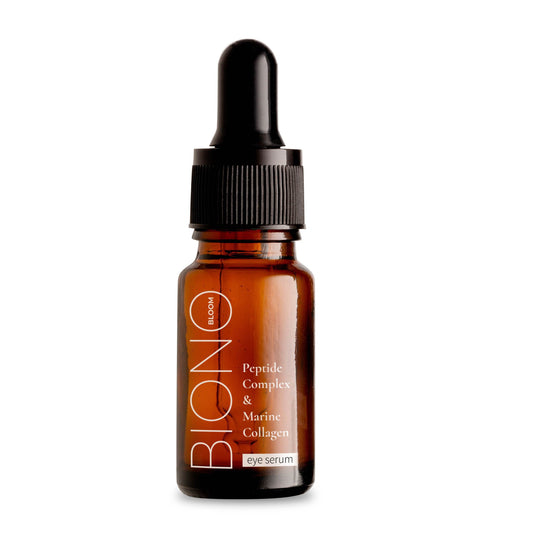
- Origin of collagen - marine collagen (from fish) has a lower molecular weight and penetrates the skin better than bovine or porcine collagen.
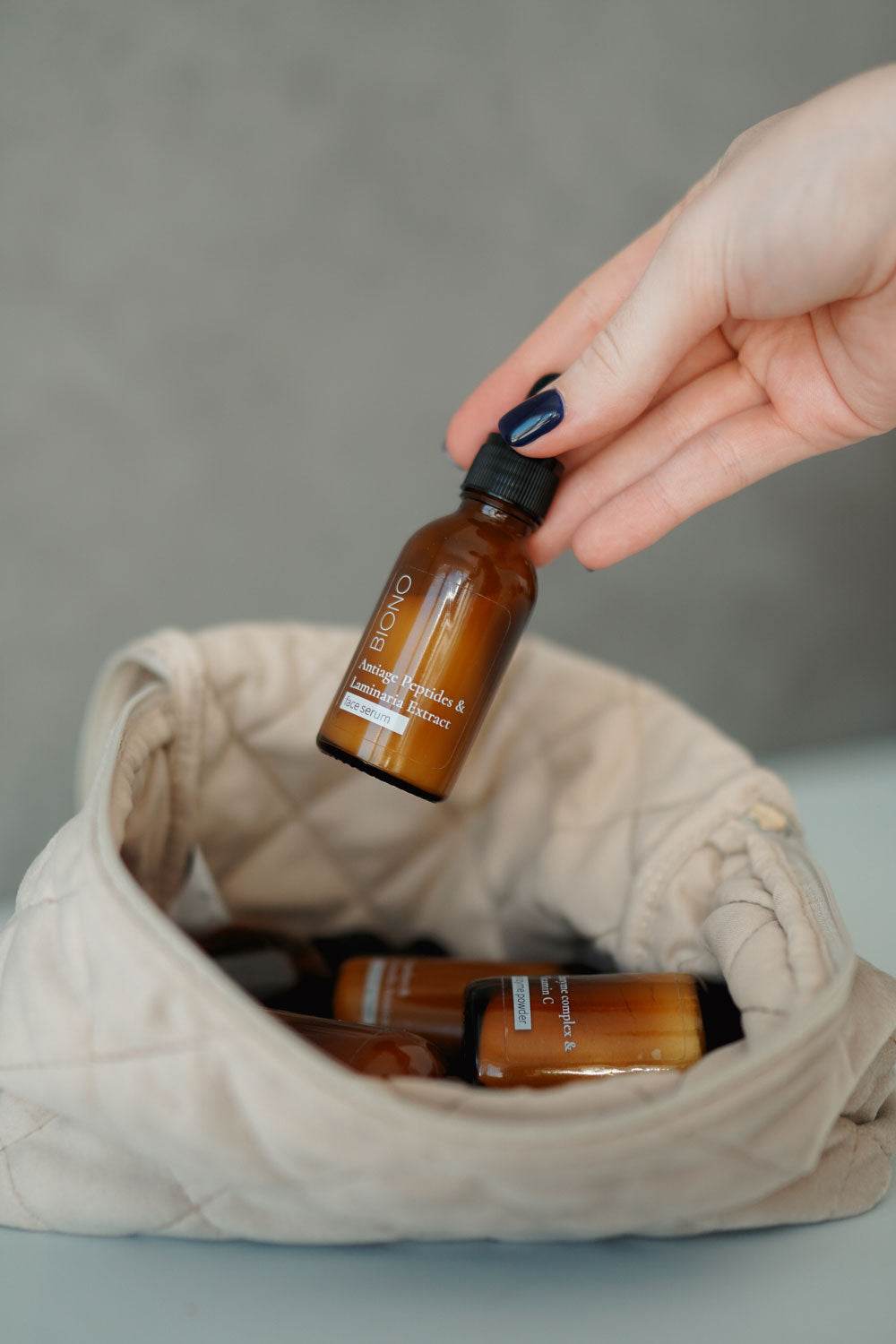
- Packaging — serums and ampoules in dark bottles with a pump protect collagen from oxidation better than finger-opening jars.
Collagen in cosmetics is often combined with other technologies that enhance absorption. Liposomes, nanoparticles, and encapsulation systems help deliver active collagen peptides to the deeper layers of the epidermis. If the packaging includes information about the use of such technology, it's an additional signal that the manufacturer takes the effectiveness of their product seriously and goes beyond simply listing "with collagen" on the label.

Collagen for skin firmness: how to restore elasticity
Collagen for skin firmness is particularly important for people over 35, when a loss of elasticity becomes noticeable. The cheeks begin to sag slightly, the jawline loses definition, and the areas around the eyes and mouth become covered with a network of fine lines. This is a natural process, but properly selected collagen care can significantly slow it down and partially reverse its visible effects.
Regular use of collagen cosmetics for firmer skin should be based on three pillars. The first is stimulating the production of your own collagen—collagen peptides in serums and creams signal fibroblasts to work harder. The second pillar is protecting existing fibers from degradation—antioxidants, UV filters, and proper hydration protect the collagen network from premature breakdown. The third is support from within—oral collagen supplementation, although beyond the scope of this article, is an important complement to external care.
In daily skincare, collagen for firmer skin is best used as an evening serum, which works while you sleep, when regenerative processes are most intense. Apply collagen serum after toner and before moisturizer—this way, the active peptides have direct contact with the skin and can freely penetrate the epidermis. In the morning, it's worth choosing a lighter collagen cream under makeup, which will provide hydration and smoothing without weighing down the skin. This two-step strategy—intensive regeneration at night and protection during the day—provides the best results in the fight for firmer skin.
The most common mistakes when using collagen in skincare
Even the best collagen product won't deliver the desired results if used incorrectly. One of the most common mistakes is applying collagen serum to dry skin—collagen works most effectively on a moisturized base, so it's worth applying a toner or moisturizing essence before applying it. Another common mistake is combining collagen with low-pH acids, such as glycolic or salicylic, in the same routine—an acidic environment can denature collagen protein and significantly reduce its effectiveness.
Another mistake involves expectations and patience. Many people give up on collagen products after two weeks, not seeing dramatic changes. Facial collagen, however, requires a minimum of four weeks of regular use to truly see the first results. Using collagen only occasionally is equally problematic—only consistency guarantees cumulative effects and lasting improvement in skin condition.
It's also worth avoiding these common pitfalls:
- Skipping SPF - UV rays break down collagen faster than cosmetics can rebuild it; without SPF, all skincare is pointless.
- Bathroom storage – high temperature and humidity accelerate collagen degradation in open packages.
- Mixing too many active ingredients – skin needs simplicity; it’s better to use 2-3 well-thought-out products than 8 random ones.
- Ignoring the neck and décolleté – these areas age just as quickly as the face, yet are often overlooked in your daily routine.
How to enhance the effects of collagen in your daily routine
Collagen cosmetics are a powerful tool, but their effectiveness can be further enhanced by following a few proven principles. First, the skin must be properly prepared to absorb the active ingredients. Regular exfoliation—either enzymatic or with gentle acids—removes dead skin cells and clears the way for collagen peptides. Exfoliating once or twice a week is enough to notice a difference in the serum's absorption.
Secondly, diet and lifestyle have a huge impact on the health of the collagen network. Vitamin C from foods—citrus fruits, peppers, kiwi—is essential for collagen synthesis in the body. Zinc and copper support enzymes responsible for stabilizing collagen fibers. Sugar and processed foods, on the other hand, do the opposite—a process called glycation causes sugar molecules to bind to collagen, making it stiff and brittle. Cutting back on sugar is one of the simplest steps you can take today for firmer skin.
Third, it's worth ensuring holistic protection. Sunscreen is an absolute must—even the most expensive collagen in cosmetics won't compensate for the damage caused by UVA radiation. Sleep is equally crucial: the body produces collagen most intensively at night, and chronic sleep deprivation disrupts this process. Supplement your evening routine with a collagen serum, ensure 7-8 hours of rest, and apply SPF every morning—this simple triad forms the foundation of effective anti-aging collagen skincare.
Summary: facial collagen as the foundation of conscious care
Collagen for the face and body isn't a passing fad, but an ingredient with scientifically proven effectiveness that deserves a permanent place in every skincare routine. Whether you're 25 and looking for preventative care or 50 and looking to restore firmness, properly selected collagen in cosmetics can deliver tangible results. The key is choosing the right form of collagen, consistent use, and supporting it with the right active ingredients and a healthy lifestyle.
If you're just starting your collagen journey, start with a collagen peptide serum or marine collagen—these forms have the best bioavailability and are well-tolerated by all skin types. Use them daily for at least two months before assessing the results. Remember to include vitamin C in your routine and apply sunscreen daily. And when you see the first results—smoother, firmer, and more radiant skin—you'll understand why collagen for firmness is a favorite ingredient of dermatologists and cosmetologists worldwide.