
Niacinamide in cosmetics: effective facial care
If you had to choose one active ingredient that can address almost every skin concern—from excessive seborrhea to discoloration and a weakened barrier—it would be niacinamide. This form of vitamin B3 has been a top choice among dermatologists and cosmetologists worldwide for years, and its effectiveness has been confirmed by dozens of clinical studies. Niacinamide in cosmetics is effective both in the care of teenage acne-prone skin and in an advanced anti-aging routine. In this article, we'll explain why this ingredient deserves a permanent place in your makeup bag and how to utilize its full potential.
What is niacinamide and how does it support skin?
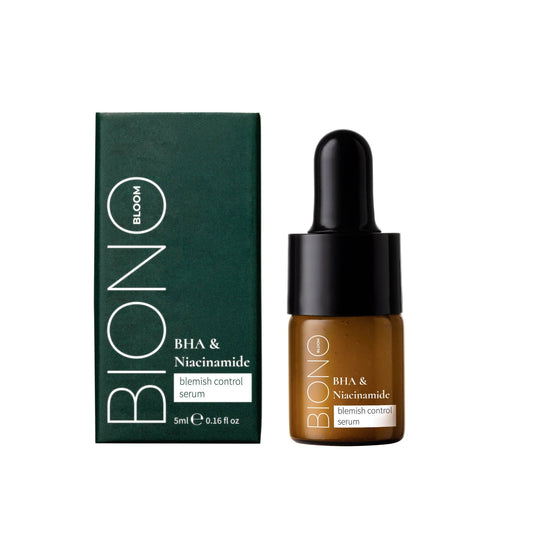
Niacinamide , also known as nicotinamide, is a water-soluble form of vitamin B3. It plays a key role in the body's metabolic processes—participating in ceramide production, sebum regulation, and collagen synthesis. It has become a hit in cosmetics because it combines several functions normally handled by separate products. A single ingredient delivers multifaceted results, making it an ideal choice for both minimalists and multi-step skincare enthusiasts.
What sets niacinamide apart from other active ingredients is its exceptional tolerability. It doesn't irritate or cause allergies, and doesn't require gradual introduction into your routine—it can be used from day one at full strength. Dermatologists even recommend it to people with rosacea, eczema, and extremely sensitive skin. In professional practice, niacinamide is often the first active ingredient used when building a skincare regimen from scratch, precisely because of its safety and broad spectrum of action.
Niacinamide for the Face: A Multitasking Ingredient for Everyday Use
Niacinamide for the face is one of the most versatile ingredients available in the cosmetics market. Its benefits include moisturizing, strengthening the skin's protective barrier, regulating sebum production, brightening discolorations, and reducing fine lines. In practice, this means a niacinamide serum can replace two or three other products, simplifying your routine without compromising effectiveness. For those who dislike multi-step skincare routines, this solution allows you to achieve maximum results with minimal steps.
Niacinamide is most commonly used for facial skin at concentrations ranging from 2% to 10%. Lower concentrations are effective for sensitive and reactive skin, while higher concentrations are effective for visible discoloration and enlarged pores. It's worth noting that clinical studies have shown the best efficacy-to-tolerability ratio at a 5% concentration—a golden mean recommended by most dermatologists. Results are typically visible after 4–8 weeks of regular use, although improved skin hydration and comfort are often felt after just a few days of daily use.

Niacinamide for Discoloration: How the Brightening Mechanism Works
Niacinamide works to treat hyperpigmentation by inhibiting the transfer of melanosomes from melanocytes to keratinocytes. Simply put, it doesn't completely block melanin production, but limits its transport to the upper layers of the skin, allowing spots to gradually and safely fade. This is a gentler approach than hydroquinone or kojic acid, yet effective enough with regular use. That's why niacinamide is recommended as a first-line ingredient for those just beginning to combat uneven skin tone.
In practice, niacinamide for discoloration gives the best results when combined with other brightening ingredients:
- Vitamin C – enhances the brightening effect and provides antioxidant protection against further pigmentation spots.
- Arbutin — blocks tyrosinase, the enzyme responsible for melanin synthesis, acting synergistically with niacinamide.
- Tranexamic acid – reduces post-inflammatory discoloration and melasma, perfectly complementing the action of niacinamide.
- SPF filter - the absolute basis of every brightening treatment, without which other ingredients are pointless.
It's worth emphasizing that niacinamide for hyperpigmentation requires patience. The first results appear after 6–8 weeks, while full skin tone evenness can take 3–4 months. This is the skin's natural renewal rate—it can only be accelerated by regular and consistent use of sunscreen every morning. People who combine niacinamide with vitamin C and UV filter notice significantly faster improvement than those using only one ingredient.
Niacinamide for oily skin: regulates sebum without drying out.
Niacinamide for oily skin is an ingredient that has transformed the approach to caring for skin with excessive seborrhea. Traditional methods relied on aggressive cleansing and mattifying—which, paradoxically, led to even more sebum production. Niacinamide works completely differently: it regulates sebaceous gland activity from within without disrupting the hydrolipid barrier. The result? Skin produces less sebum, but doesn't feel tight or dehydrated—a key difference compared to older-generation mattifying ingredients.
A study published in the Journal of Cosmetic Dermatology found that using 2% niacinamide for four weeks reduced sebum production by 23%. At a 5% concentration, the results were even more impressive. Niacinamide for oily skin also has the added benefit of tightening enlarged pores. It doesn't work mechanically, but by reducing sebum and improving the elasticity of pore walls, making them appear less visible. This effect is particularly appreciated by people with combination and oily skin who have struggled with visible pores in the T-zone for years and are looking for a lasting solution without drastic treatments.
Niacinamide in Cosmetics: Which Forms Are Most Effective?
Niacinamide is available in many formats in cosmetics, and choosing the right one depends on your skin type and desired results. Serums are by far the most popular and effective form—their concentrated consistency allows for the delivery of niacinamide directly to the skin at optimal concentrations. Niacinamide creams work well as daily moisturizers, combining nourishing and protective properties, ensuring all-day comfort.
Among the available formats of niacinamide in cosmetics, it is worth highlighting:
- Serum (5–10%) – highest effectiveness, ideal as a standalone step in your routine after toner and before moisturizer.
- Moisturizing creams – lower concentration (2–5%), but comfortable for daily use and additional hydration with ceramides.
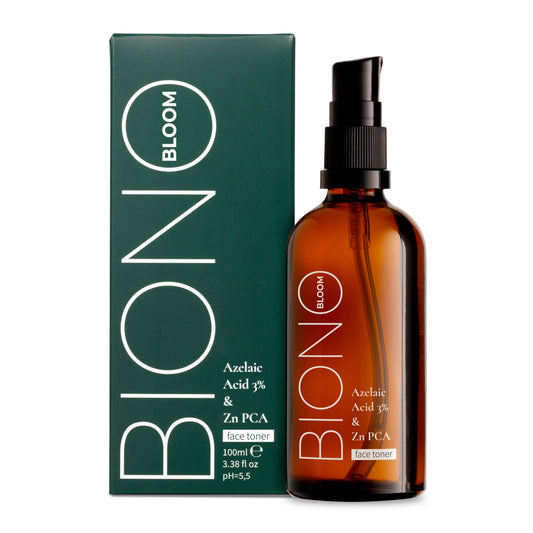
- Toners – a light, low-concentration formula, great as an introduction to niacinamide for people with sensitive skin.
- Sheet masks – an intense dose of niacinamide for special occasions, perfect for once or twice a week as a hydration boost.
Niacinamide in cosmetics demonstrates excellent compatibility with most active ingredients. It can be combined with retinol, hyaluronic acid, peptides, and ceramides without the risk of interactions. The only myth worth debunking concerns its alleged incompatibility with vitamin C—modern, stable formulas of both ingredients work seamlessly together and mutually enhance each other's effects, as confirmed by the latest dermatological research.

What to combine niacinamide with and what to avoid in your routine
Niacinamide's strength lies in its versatility and ability to work with other active ingredients. It achieves its best results when paired with hyaluronic acid—niacinamide strengthens the barrier, while hyaluronate locks in moisture, creating a dual-hydration effect. Retinol is another excellent partner: niacinamide soothes the irritation that retinol can cause, allowing you to maintain it in your routine without interruptions or discomfort. Ceramides, in turn, combine with niacinamide to create a powerful duo that rebuilds the lipid barrier.
However, there are certain combinations that should be used with caution. Combining niacinamide with acids with a very low pH—for example, pure glycolic acid at a concentration above 15%—can lead to temporary redness. The solution is simple: use the acids in the evening and niacinamide in the morning, or wait 15–20 minutes between products. In practice, most modern formulas are buffered to a safe pH, so this problem mainly affects professional in-office peels, not everyday cosmetics available in drugstores.
The most common mistakes when applying niacinamide to the face
Although niacinamide is an exceptionally gentle ingredient, certain mistakes can limit its effectiveness or cause unnecessary discomfort. The most common is using it too briefly—many people stop after two weeks without seeing dramatic changes. Meanwhile, niacinamide for the face needs at least four weeks to produce visible results in terms of discoloration and sebum regulation. Another mistake is using too many niacinamide products simultaneously—serum, cream, and toner can result in a combined concentration exceeding 15%, which can be irritating for some people.
It is also worth avoiding these pitfalls in daily care:
- Skipping SPF — niacinamide for discoloration is pointless without daily sun protection, because new spots appear faster than old ones fade.
- Apply to dry skin – Niacinamide absorbs better on a moisturized base; a toner or essence before your serum is an essential step.
- Mixing with strong acids - Directly combining with low pH L-ascorbic acid may cause temporary redness in sensitive individuals.
- Irregularity – sporadic use will not produce cumulative effects; the key is daily consistency morning and night.
Summary: Niacinamide as the foundation of modern care
Niacinamide is one of the few active ingredients that truly deserves the title of universal. It regulates sebum, brightens discolorations, strengthens the protective barrier, moisturizes, and has anti-inflammatory properties—all while being exceptionally safe and well-tolerated by all skin types. Niacinamide in cosmetics is not a passing fad, but a lasting foundation for conscious skincare, supported by solid scientific evidence and thousands of positive user experiences worldwide.
If you're just starting your niacinamide journey, choose a 5% serum and apply it every morning under your SPF cream. Give the ingredient at least a month and observe the changes—smoother, more matte, and evenly brightened skin is a result you can realistically expect. For oily skin, it's a breakthrough in sebum regulation, and for skin with discoloration, it's a gentle path to an even complexion. Add niacinamide to your routine—and see why this humble ingredient has become the number one choice in dermatologists' offices worldwide.