
Bedroom scent for relaxation and healthy sleep
The bedroom is a space where the body and mind switch to regeneration mode, and scent often becomes the silent signal that tells the body it's time to slow down. A well-chosen bedroom scent can transform an ordinary room into an oasis of calm, reduce tension after a busy day, and gently prepare the nervous system for deep sleep. Below, you'll find a practical and detailed look at how to choose, combine, and use scents so that relaxation and restful sleep become a daily evening habit, not a rare stroke of luck.
Why bedroom scent affects sleep quality
Smell is the only sense that has almost direct access to the limbic system, the brain regions responsible for emotions and memory. Therefore, scent acts faster than logic: before we even think "I feel calm," the body already reacts by slowing down breathing and relaxing muscles. This is why a bedroom scent acts not as a decoration, but as a tool that influences the physiology of rest and gradually prepares the body for nighttime regeneration.
When a specific scent accompanies bedtime preparations every evening, the brain gradually creates a lasting association: this aroma means it's time to rest. This creates a kind of conditioned reflex — a calming scent becomes part of the sleep ritual, alongside dimmed lights and a put-away phone. After a few weeks of regularity, the body begins to react automatically to the familiar scent, and falling asleep becomes easier even during stressful periods.
It's also worth remembering the other side of the coin: sharp, synthetic, or overly intense notes can stimulate the nervous system and make it difficult to fall asleep. Therefore, choosing a bedroom scent is not just a matter of pleasure, but also a sense of moderation. Softness, cleanliness, and moderate scent concentration are more important here than complexity or trendiness, as the purpose of a night scent is to calm, not to attract attention.

How scents affect the nervous system and relaxation
Different groups of scents affect well-being differently, and understanding these differences helps to consciously manage one's own relaxation. Some aromas reduce anxiety, others help to calm intrusive thoughts, and still others give a feeling of warmth and security. For evening use, it's worth focusing on notes traditionally associated with calm and a gentle mood before sleep:
- Lavender – the most well-known calming scent, linked to reduced anxiety and easier sleep.
- Chamomile – a soft, herbal aroma with a feeling of homey coziness, suitable for those sensitive to sharp notes.
- Sandalwood and cedar – warm woody notes that provide a sense of stability and grounding.
- Bergamot – a citrus with an unusual softness for its group, which relieves emotional tension without excessive stimulation.
- Ylang-ylang and neroli – floral accords that help to relax the body and regulate breathing.
In practice, most people respond best to lavender and woody notes, but there is no universal recipe. Some fall asleep with floral scents, while for others, they do the opposite – causing a heaviness in the head. Therefore, the first step to good relaxation is a small, personal experiment: try a few variations and observe which one truly makes sleep calmer and morning waking easier.
What scents to choose for deep sleep and relaxation
When it comes to deep sleep, the key is not the strength of the scent, but its ability not to draw attention to itself. A sleep scent should be a barely perceptible background that creates an atmosphere but doesn't force you to constantly think about it. An overly intense scent trail in the enclosed space of a bedroom quickly becomes tiring and can cause headaches at night, which is why restraint is the main ally of good rest here.
A good strategy is to choose so-called "quiet" compositions – those dominated by one or two soft notes without sharp transitions. For example, a combination of lavender with a light hint of vanilla gives a feeling of warm security, while sandalwood with a pinch of citrus creates a mature, calm background. People who wake up at night should avoid sharp spices and saturated amber notes, which keep the brain slightly tense instead of allowing it to rest.
A separate practical tip concerns seasonality. In summer, when the air is already thick, fresher and more transparent bedroom scents – herbal, slightly citrusy, with a cool accent – are more suitable. In winter, the body instinctively gravitates towards warm, enveloping notes: vanilla, wood, soft balsamic accords. By matching the scent to the season, it's easier to maintain a sense of natural comfort and not over-saturate the room.

Bedroom fragrance formats: from diffusers to sprays
The same scent can be introduced into a room in various ways, and the format significantly affects its intensity and duration. The choice depends on habits, the presence of pets or children, and also on how willing you are to maintain the scent source. Here are the basic variants that typically make up a home fragrance collection for the bedroom:
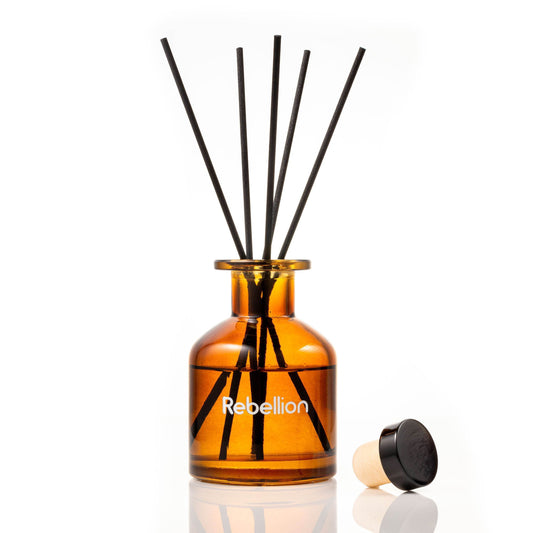
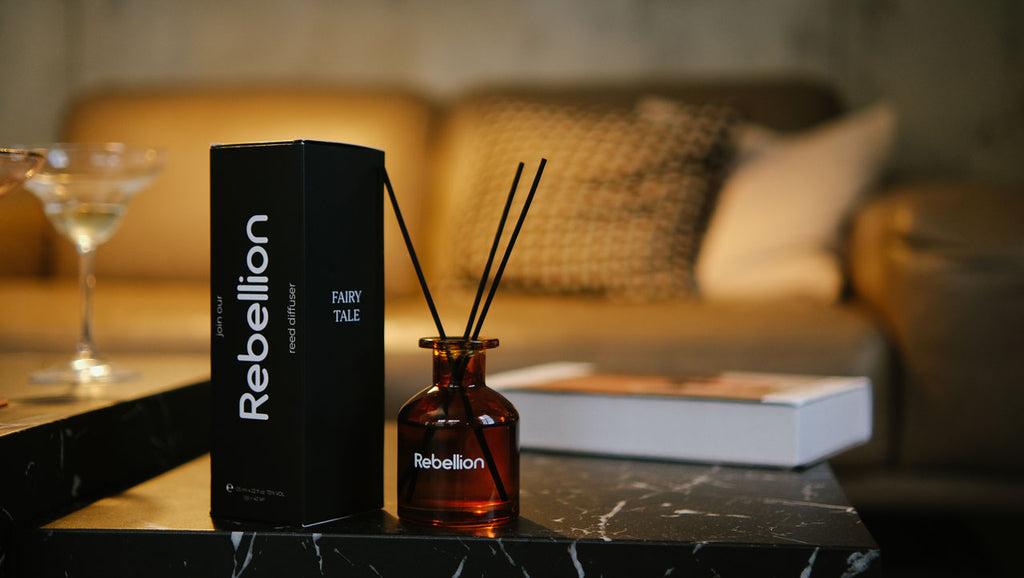
- Scent diffusers, natural in glass – evenly saturate the air, work without fire or electricity, allow precise dosing of intensity with the number of rattan sticks, and are suitable for daily use. The glass bottle preserves the purity of the natural composition and looks neat on the bedside table.
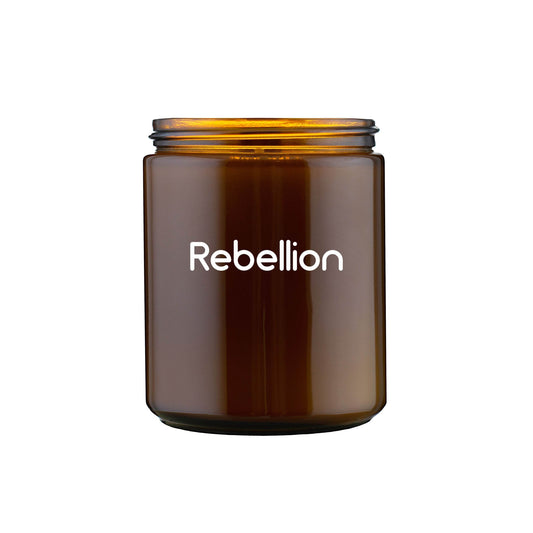
- Scented candles – create not only a scent but also soft, flickering light, which itself sets a relaxing mood; they just need to be extinguished before sleep. This is an ideal format for the hour before rest when you want to slow down and dim the lighting.
- Room sprays – a quick way to refresh a room and add a barely perceptible scent trail in seconds; convenient to spray the air, curtains, or fabrics before sleep without unnecessary preparation.
- Pillow and linen spray – a gentler variety of spray that goes exactly where you fall asleep, leaving a quiet, personal scent trail.
- Dry sachets and scented pouches – an unobtrusive option for the wardrobe or bedside table, working without a fire or power source.
From experience, the safest for regular nighttime use are natural glass scent diffusers and room sprays – they don't require monitoring and carry no risk of open flame. Scented candles are best left for waking hours: an hour with a candle before sleep provides the same relaxing effect, but without the need to fall asleep next to a flame. Combining several formats is, of course, possible: for example, a glass diffuser as a constant background and a room spray as a quick accent before sleep; the most important thing is not to overload the space and remember that less often means better.
Evening ritual: when and how to use scent for relaxation
Scent reveals its full potential only when it becomes part of a sequence of actions, rather than a random gesture. Ideally, you should activate the scent source approximately thirty to forty minutes before bed, so that the air has time to saturate gently and evenly. The body perceives this interval as a transition period between the day's activity and nighttime calm, and the familiar scent becomes a clear command to slow down.
It's good to combine scent with other relaxation signals: a warm shower, dimmed lights, put-away gadgets, and a few minutes of calm breathing. When a relaxing scent accompanies these activities every evening, the brain receives a consistent picture and transitions into rest mode more quickly. It is this regularity, rather than one-off attempts, that produces a cumulative effect and transforms a pleasant aroma into a full-fledged sleep ritual.
In practice, it's worth remembering to air the room: fresh, cool air combined with a delicate scent works better than a stuffy room with an intense aroma. A good habit is to first air the bedroom, then spray the air with a room spray or light a scented candle, and leave a glass diffuser as a constant, subtle background. Then the scent settles on clean air, is perceived more lightly and pleasantly, and doesn't mix with the lingering odors from the day.

Common mistakes when choosing a sleep scent
Even a good product can spoil the experience if used thoughtlessly. Most sleep problems related to scents stem not from the scents themselves, but from typical mistakes in dosage and combination. Knowing them beforehand makes it easy to avoid disappointment and immediately set the right tone for the space:
- Excessive concentration – too many drops of oil or several sources at once overload the air and irritate the nervous system.
- Sharp synthetic notes – intense, artificial scents are more likely to stimulate than calm, and can cause headaches.
- Ignoring bodily reactions – if a particular scent makes it harder to fall asleep, it's worth changing it rather than forcing yourself to get used to it.
- Lack of ventilation – stale air intensifies the scent to an unpleasant degree and negates the relaxing effect.
- Mismatched combinations – mixing many strong scents at once creates a chaotic background instead of harmony.
Separately, it's worth mentioning sensitivity and possible allergic reactions. Before leaving a new sleep scent on all night, it's a good idea to try it for a short period and observe your well-being. Individuals with asthma, pregnant women, and young children should choose delicate variants and consult a specialist – caution is more important here than the desire to quickly acquire a fashionable scent, as health always comes before aesthetics.
How to choose a bedroom scent for your needs
A universal formula for tranquility does not exist, as the perception of scents is deeply individual and depends on memories, culture, and even health status. What for one person is the epitome of coziness, for another might evoke indifference or even irritation. Therefore, choosing a bedroom scent should start with an honest question to oneself: what aroma personally associates with safety, warmth, and peace for you?
Analyzing your own sleep problems also helps. If it's hard to switch off a stream of thoughts – look for grounding woody notes; if anxiety is troubling – soft floral and lavender accords; if there's a lack of warmth and coziness – enveloping vanilla and balsamic scents. This approach transforms the choice from accidental to conscious and makes the scent a truly useful tool for relaxation, not just a pleasant addition to the interior.
In practice, it's helpful to keep brief notes for two to three weeks: what scent was used, how falling asleep went, how the morning felt. A few lines each evening quickly reveal patterns that are hard to notice by chance. With such observations, you choose not a "popular" but your own scent for deep and peaceful sleep, and it works more reliably than any other recommendation.
Layering scents for coziness
Layering scents is a technique where several sources of the same or related scent are combined to create a fuller and more lasting background. For example, a glass-encased natural scent diffuser paired with a room spray from the same range gives a sense of a coherent, well-thought-out space, and a scented candle before bed gently emphasizes this mood. The main rule here is kinship of notes, not their number, because even two scents can sound richer than five random ones.
It's easiest to combine scents from the same family: woody with woody, floral with floral, citrus with citrus. You can also play on the contrast of base-accent, where a warm, woody base is complemented by a light, fresh top note. However, mixing several distinct, equally strong scents is not a good idea – they will start to compete with each other and disrupt the sense of peace for which the whole was conceived.
A practical guideline is simple: if, upon entering the bedroom, you can immediately name only a general impression – "warm," "fresh," "cozy" – and not a list of individual scents, then the combination is successful. If, however, your nose picks up two or three different scents vying with each other, it's worth removing what's unnecessary. When it comes to relaxation and healthy sleep, restraint almost always triumphs over excess.
Peaceful sleep begins with the right scent
Scent in the bedroom is not a mere cosmetic detail, but a subtle and effective tool that influences the nervous system, emotions, and the quality of nighttime rest. A well-chosen bedroom scent helps to relieve the day's tension more quickly, builds a lasting sleep ritual, and makes the resting space truly yours. The key to this effect is not the price or trendiness of the product, but moderation, regularity, and attentiveness to one's own feelings.
Start with small steps: choose one soft note that pleases you, add it to your evening ritual, and observe the changes for a few weeks. Gradually, you will feel how the familiar scent itself sets a peaceful mood, and relaxation and deep sleep cease to be a matter of chance. It is in this simple, daily care for the bedroom's atmosphere that good, restorative rest, which everyone deserves, is born.