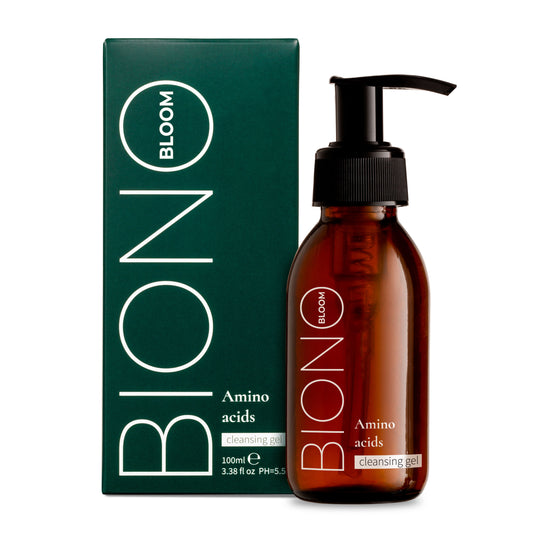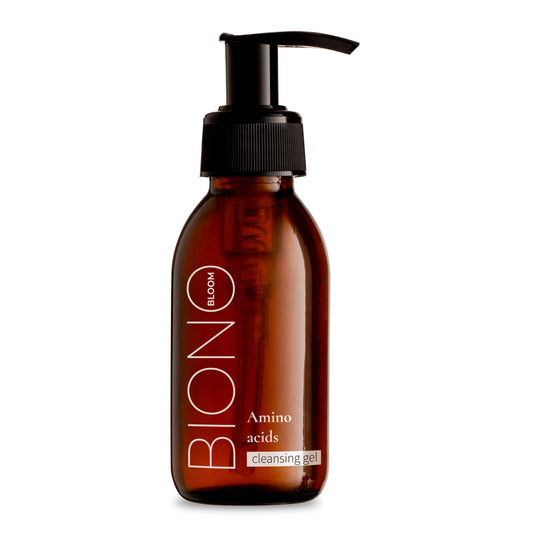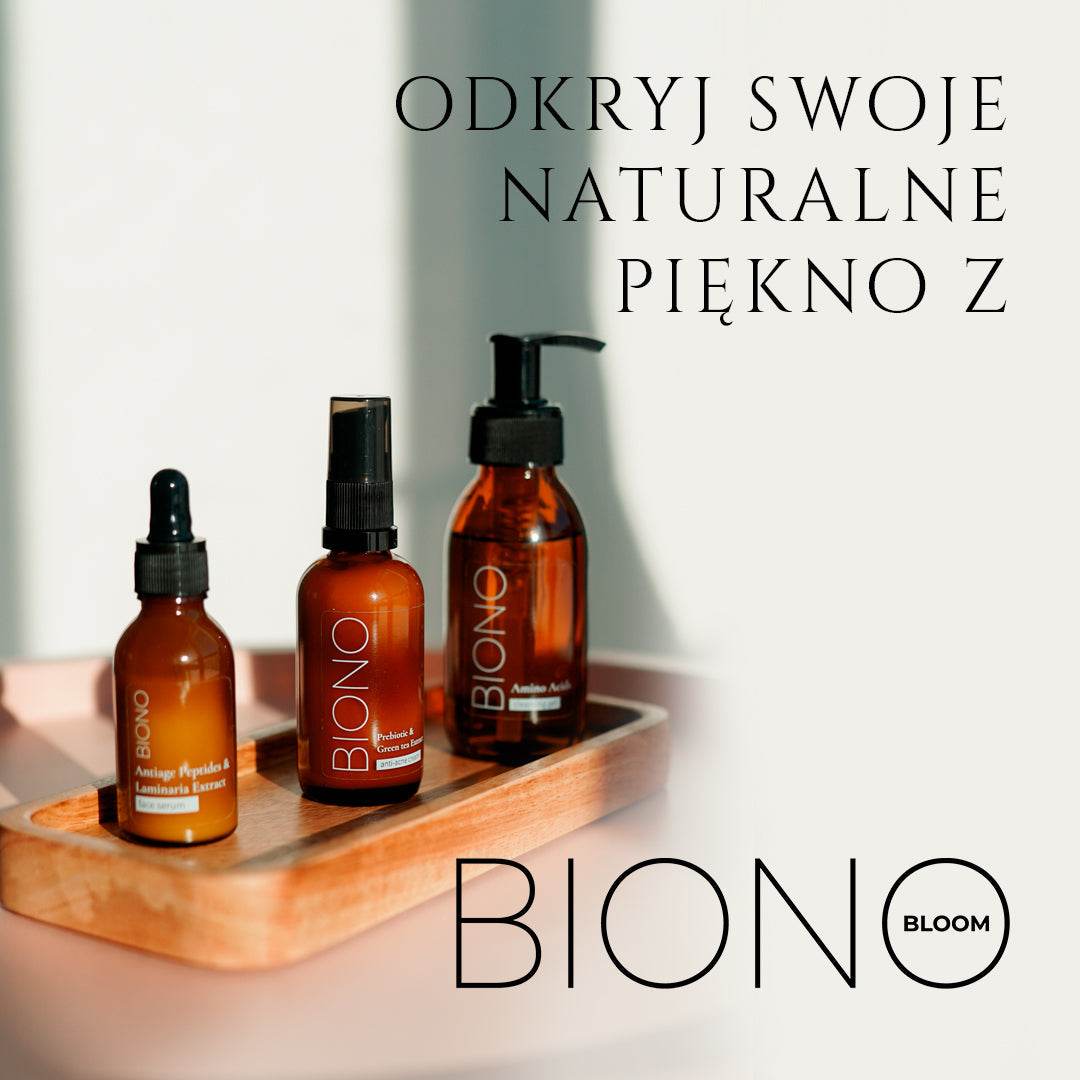

Face wash gel — professional skin cleansing
Skincare begins with one seemingly trivial step—thorough cleansing. It determines whether serums, creams, or masks will actually perform their intended function, or merely remain cosmetic decorations on unprepared skin. Facial cleansing gel is currently one of the most popular cleansing products, combining effectiveness with gentleness and ease of use.
Facial Cleansing Gel — The Foundation of Daily Skincare
Facial cleansing gel is a specially formulated product with a light, transparent consistency that transforms into a delicate foam upon contact with water. Its main task is to remove impurities—sebum, dust, makeup residue, protective creams with SPF, and so-called "skin smog," which are microscopic air pollutants that settle on our face every day. Unlike traditional soaps, good quality cleansing gels do not disrupt the skin's hydrolipid barrier, which is crucial for maintaining its balance and healthy appearance.
Modern facial cleansing gels are multifunctional—they are no longer just cleansing products but true skincare formulas. They contain moisturizing ingredients (hyaluronic acid, glycerin, allantoin), soothing ingredients (panthenol, chamomile extract, aloe vera), and often active anti-inflammatory or anti-aging substances. Thanks to this approach, professional cleansing becomes more than just simple washing—it's a conscious skincare ritual that prepares the skin for subsequent steps in the cosmetic routine.

Why Professional Cleansing is So Important
The skin on the face is constantly exposed to external factors—UV radiation, pollution, fluctuating temperatures, makeup, and sweat. Throughout the day, it accumulates a layer that, if not properly removed, leads to clogged pores, blackheads, imperfections, and in the long run—premature skin aging. Professional cleansing with a well-chosen facial cleansing gel not only removes these impurities but also stimulates microcirculation, supports natural regenerative processes, and prepares the skin to absorb subsequent skincare products.
It's important to know that cleansing should be tailored to the individual needs of the skin. The most important rules to remember are:
- Wash your face twice a day—morning and evening, to remove sebum and impurities.
- Use lukewarm water—hot water irritates, cold water doesn't dissolve sebum thoroughly.
- Don't scrub your skin with a towel—gently pat it dry.
- Massage in circular motions for about 30–60 seconds to allow the product to work.
- Choose a formula suited to your skin type—this is key to effective care.
- Avoid harsh detergents like SLS, which dry out the skin.
A professional approach to cleansing is an investment whose effects are visible after just a few weeks. The skin becomes more radiant, has an even tone, and problems such as blackheads, an oily T-zone, or a feeling of tightness gradually disappear. This is a step that cannot be omitted in any well-designed cosmetic routine.
Types of Facial Cleansing Gels — Which One to Choose
The cosmetic market currently offers a huge variety of cleansing gels, which can be frustrating for many people. One way to navigate this offering is to categorize products by their main action and intended use. Mattifying gels, dedicated to oily and combination skin, usually contain ingredients that regulate sebum production—such as niacinamide, salicylic acid, or witch hazel extract. Moisturizing gels, designed for dry and dehydrated skin, rely on gentle surfactants and a rich moisturizing base with hyaluronic acid, glycerin, and ceramides.
Among the most popular categories of facial cleansing gels, you will find:
- Cleansing gels for oily and acne-prone skin—with AHA/BHA acids, niacinamide, zinc.
- Moisturizing gels for dry skin—with hyaluronic acid, ceramides, allantoin.
- Soothing gels for sensitive skin—with panthenol, allantoin, chamomile extract.
- Antioxidant gels—with vitamin C, green tea extracts, ferulic acid.
- Enzymatic gels—with papain or bromelain, gently exfoliating the skin.
- Gels for mature skin—with peptides, vitamin E, coenzyme Q10.
The choice of a specific category should be preceded by an analysis of your own skin. If you don't know your skin type, it's worth consulting a cosmetologist or dermatologist—a professional diagnosis will help avoid costly mistakes and provide a basis for building an effective skincare routine. In practice, many customers give up on products that were unsuitable for them only after several months of trying and worsening skin condition.
How to Recognize a Good Facial Cleansing Gel
A good facial cleansing gel is characterized by several key features that are worth knowing before making a purchase. First—gentleness for the skin. The product should not leave a feeling of tightness, stinging, dryness, or irritation. After washing, the skin should feel clean but comfortable—as if we "don't feel it's there." Second—an appropriate composition, based on gentle plant-derived surfactants such as Coco-Glucoside, Decyl Glucoside, or Sodium Cocoyl Isethionate, instead of aggressive SLS and SLES detergents.
Practical tips on how to recognize a valuable product on a store shelf:
- INCI list—natural and gentle surfactants at the beginning of the ingredient list.
- pH close to the skin's—ideally in the range of 4.5–5.5, consistent with the skin's natural acidity.
- Absence of denatured alcohol (Alcohol Denat.) in the first part of the ingredients.
- Active additives—moisturizing, soothing, or regulating, depending on skin type.
- Hypoallergenic—especially important for sensitive and reactive skin.
- Positive reviews and dermatological tests—confirmation of formula safety.
From my experience in cosmetic consulting, I know that clients often base their choices on price or attractive packaging, ignoring the product's ingredients. This is a mistake that can cost not only money but also the condition of the skin. A good facial cleansing gel doesn't have to be expensive—many pharmacy brands offer excellent formulas at affordable prices. The key is a conscious choice based on knowledge, not marketing.

Ingredients Worth Paying Attention To
Consciously reading labels is a skill that saves money and protects the skin. A good facial cleansing gel should contain active ingredients tailored to the specific needs of the skin. Niacinamide (vitamin B3) regulates sebum production, reduces the appearance of pores, and brightens discolorations. Low-molecular-weight hyaluronic acid moisturizes the skin without weighing it down. Panthenol has soothing and regenerating properties, making it suitable for sensitive and reactive skin. Green tea extract provides antioxidant protection and helps fight free radicals.
It is also worth noting ingredients to avoid in daily use products. Irritating surfactants (Sodium Lauryl Sulfate, Sodium Laureth Sulfate) can effectively cleanse, but with regular use, they disrupt the skin's hydrolipid barrier and lead to dehydration. Denatured alcohol in high concentrations can cause irritation, especially in people with sensitive skin. Strong fragrances and dyes are also not necessary and often cause allergic reactions. Professional cleansing requires a product that works effectively, but at the same time safely and with respect for the skin's natural microflora.
Facial Cleansing Gel — Ranking and Product Categories
Creating an objective ranking of facial cleansing gels is not an easy task, as what works great for one person may be unsuitable for another. Nevertheless, it is possible to identify products that consistently receive high ratings from users, specialists, and independent cosmetic testers. Key categories that feature top positions include: pharmacy products (Bioderma, La Roche-Posay, Avène, Cerave), premium dermocosmetics, and carefully formulated niche and natural brands like Tołpa, Resibo, or Phlov.
When choosing a product from a ranking, it's worth considering the following criteria:
- Compatibility with skin type—the best product is one that suits your skin.
- Composition and quality of surfactants—gentle formulas are safer for daily use.
- Price per milliliter—allows for comparing the real cost of the product.
- Long-term user reviews—effects are visible after a few weeks.
- Dermatologist and cosmetologist recommendations—especially important for skin problems.
- Certificates and tests—dermatological, allergological, ecological.
The best facial cleansing gel is one that combines cleansing effectiveness with nourishing properties, performs well with daily use, and does not cause even the slightest irritation. It's worth remembering that the ranking of facial cleansing gels changes dynamically with the emergence of new formulas and the results of independent consumer tests. Therefore, I recommend regularly updating your knowledge and consulting specialists if you have any doubts.
How to Properly Use Facial Cleansing Gel
Choosing a good product is only half the battle—the way it is used is also crucial. The cleansing ritual should begin with washing your hands, as most bacteria that we later transfer to our face reside there. Next, moisten your skin with lukewarm water, apply a small amount of gel (usually a pea-sized amount is sufficient) to your hands, rub it with a little water, and then apply it to your face with gentle, circular motions. The massage should last about 30–60 seconds to allow the product to work.
After thorough cleansing, rinse the gel generously with lukewarm water and gently pat the skin dry with a towel—by pressing it, not wiping. Immediately after cleansing, the skin is most absorbent, so it's worth immediately applying a pH-balancing toner, serum, and moisturizing cream. Professional cleansing is not just the act of washing itself, but an entire planned ritual in which facial cleansing gel plays a foundational role. Consistently applying correct habits yields visible results after just 2–4 weeks of regular care.
Common Mistakes During Facial Cleansing
Although washing your face seems like a simple task, many people make mistakes that negate the effects of even the best facial cleansing gel. The first is cleansing too infrequently or too frequently. Washing once a day does not remove impurities accumulated during the day, and washing more than twice a day can lead to dryness and irritation. Another mistake is using hot water, which dilates blood vessels and deprives the skin of its natural lipid protection.
Other common mistakes to avoid:
- Too aggressive rubbing of the skin—can cause micro-damage.
- Skipping the oil makeup removal step—gel will not remove full makeup.
- Using the same product for years—skin needs change.
- Lack of consistency—effects require regularity.
- Skipping toning—an important step for restoring skin pH.
- Using too much gel—a larger portion does not mean a better effect.
Awareness of these pitfalls is the foundation of effective skincare. A good facial cleansing gel will only work with our skin if we learn to use it correctly. This is knowledge everyone can acquire—all it takes is mindfulness and a little patience to observe how the skin reacts to individual steps of the skincare routine.
Summary — Conscious Skincare Starts with Cleansing
Facial cleansing gel is much more than a simple everyday cosmetic—it is the foundation of every effective skincare routine. A well-chosen product, adapted to the skin type and its current needs, not only effectively removes impurities but also nourishes the skin, supports its natural protective functions, and prepares it for further steps of the daily ritual. Professional cleansing does not require expensive salons or complex treatments—just consistency, awareness of cosmetic ingredients, and proper application technique.
Remember that the ranking of facial cleansing gels is only a starting point, not a definitive answer. Your skin is unique, and the best product is the one that works for you. Experiment wisely, listen to the signals your skin sends, read ingredients, and don't be afraid to seek advice from specialists. Conscious skincare is an investment in long-term comfort, a healthy appearance, and the self-confidence that flawless, well-groomed skin provides—regardless of age or beauty type.