
Home scents: how to choose the perfect aroma for your interior
Scent is the first thing we notice when we step inside an apartment and the last thing we remember when leaving a visit. Well-chosen home fragrances can transform an ordinary apartment into a place you want to return to: to relieve stress after work, set you up for productivity, or create an atmosphere for a cozy evening. At the same time, the choice today is vast—reed diffusers, scented candles, sprays, sachets, oil burners—and it’s easy to get lost among hundreds of compositions. Let's see how to choose a scent that will suit your space, lifestyle, and mood.
How to Choose the Perfect Home Fragrance?
Home fragrances are not just a pleasant interior accessory but a full-fledged tool influencing well-being. The sense of smell is directly connected to the brain's limbic system, which is responsible for emotions and memory. This is why the scent of fresh cake instantly transports us back to childhood, and the scent of a Christmas tree—to a festive morning. By choosing an interior fragrance, you are essentially programming the emotional climate of your space.
Studies on aromatherapy confirm: lavender reduces anxiety and improves sleep, citrus notes increase concentration and boost energy, and vanilla provides a sense of security and warmth. Woody and herbal scents, on the other hand, help to calm and ground you after an intense day. Therefore, it’s worth replacing the "as long as it smells nice" approach with a conscious choice: first, define the atmosphere you want to create in each room, and only then look for a composition that will work towards that goal.
It's also important to remember that the ideal home fragrance is always a combination of several factors: the room's size and ventilation, the interior style, the season, and most importantly—the preferences of the household members. What delights in a boutique or hotel lobby might be overwhelming in a small bedroom. The good news is that you don't have to get it right the first time: the world of interior perfumery allows you to test, combine, and change compositions until you find the one that truly smells like home.

Main Fragrance Families: A Short Guide
Interior perfumery, like body perfumes, is divided into fragrance families. Understanding this classification is half the battle when choosing. Floral compositions (rose, peony, jasmine, freesia) are classics of coziness—they make the space soft and romantic. Citrus (bergamot, lemon, grapefruit, mandarin) are energetic and fresh, ideal for morning zones and workspaces. Woody (sandalwood, cedar, vetiver, patchouli) add depth, solidity, and warmth to an interior—they are often chosen for living rooms and studies.
Gourmand fragrances—vanilla, cinnamon, caramel, coffee, cookies—deserve a separate mention. They create that "grandma's kitchen" vibe but require moderation: in high concentrations, sweet notes quickly become tiresome. Fresh aquatic and green compositions—sea breeze, mown grass, cucumber, cotton—create a sense of cleanliness and spaciousness, making them perfect for bathrooms and small rooms.
Practical advice: if you're new to the world of interior perfumery, start with universal, neutral scents—white tea, cotton, light citrus. They appeal to most people, don't clash with other home scents, and don't cause aversion in guests. And over time, as you gain experience, you can experiment with complex, multi-layered compositions.
How to Choose a Fragrance for Each Room
The main rule of experienced decorators is: one home—one fragrance logic. This doesn't mean that everything should smell the same, but the scents of neighboring rooms shouldn't clash. Imagine creating a fragrant route: a guest enters the hallway, walks through the living room, glances into the kitchen—and each space reveals a new, but related, note.
There are proven solutions for each area of the home:
- hallway — light citrus or green notes: build a first impression and "erase" street smells;
- living room — woody, amber, or floral compositions of medium intensity, creating an atmosphere of hospitality;
- bedroom — lavender, chamomile, delicate vanilla, or white musk: scents that relax and prepare for sleep;
- kitchen — herbal and citrus aromas (basil, rosemary, lemon) that neutralize cooking smells;
- bathroom — fresh aquatic notes, eucalyptus, or marine accents for a sense of cleanliness;
- workspace — mint, grapefruit, rosemary: help with concentration.
An important nuance is intensity. In a small bedroom, a strong diffuser with ten reeds won't create coziness but a headache. For a room up to 15 m², a compact diffuser or one candle is sufficient; for spaces 20–30 m², a standard format; and large living rooms with high ceilings require either several scent sources or professional solutions with a saturated composition.

Home Fragrance Formats: Candles, Diffusers, Sprays
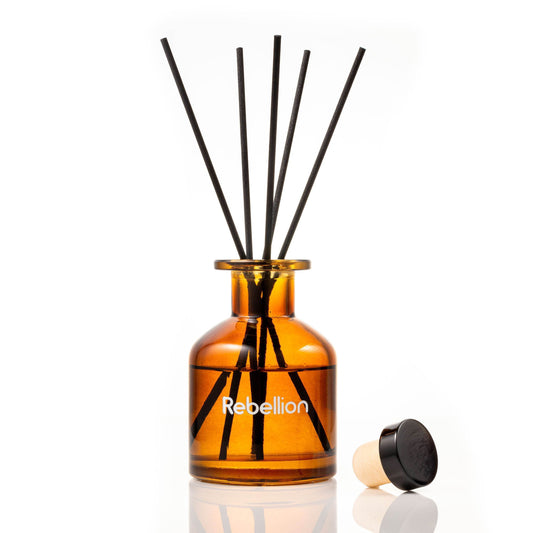
A reed diffuser is a master of practicality. It works continuously for weeks, requires no fire or electricity, and its intensity is easily regulated by the number of reeds: more reeds mean a stronger scent. It's an ideal choice for a constant background scent in a hallway or living room. An average 100 ml bottle, with moderate intensity, lasts for two to three months, making it an economical solution as well.
A scented candle is not just a background, but a ritual. The living flame, soft light, and gradually developing scent create an atmosphere that no other format can replicate. Candles are perfect for evening relaxation, baths, dates, or gatherings with friends. Pay attention to the composition: candles made from natural soy, coconut, or beeswax burn cleaner than paraffin and don't produce soot.
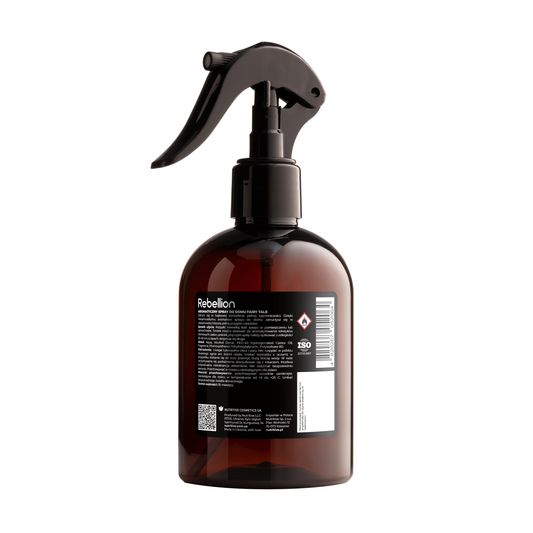
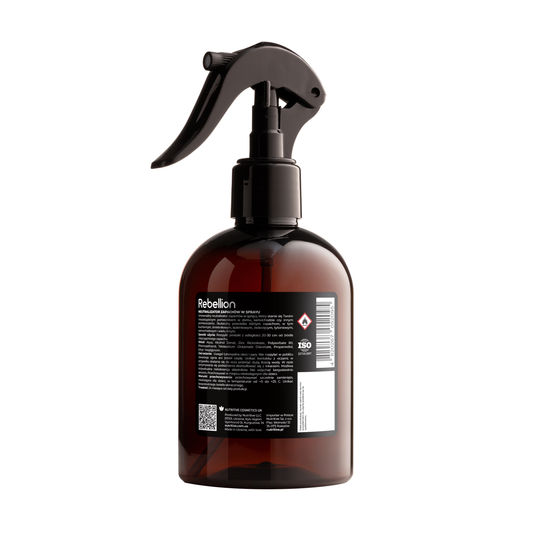
An interior fragrance spray is a quick-action tool: a few spritzes—and the room is refreshed just before guests arrive. Sachets with dried flowers and herbs gently scent wardrobes, dressers, and bedding. Oil burners and electric diffusers with essential oils are chosen by aromatherapy lovers—they allow you to mix your own compositions and control every note. The optimal strategy is to combine formats: a diffuser for a constant background plus a candle for special moments.
What to Look for When Choosing an Interior Fragrance
Buying a home fragrance blindly is a common cause of disappointment. A scent that captivated you in the store might develop completely differently at home: factors like room size, ventilation, textiles, and even air temperature play a role. Therefore, before purchasing a full-sized bottle, it's worth testing the composition—smell a blotter, leave the store for a few minutes, and return: if the scent still appeals to a "fresh nose," that's a good sign.
Ingredients are the second critically important point, especially if there are children, pregnant women, allergy sufferers, or pets in the home. Good interior perfumery should transparently list ingredients, and the manufacturer should adhere to international safety standards for fragrance substances. Remember that cats are particularly sensitive to citrus and conifer essential oils, so pet owners should consult a veterinarian before using oil burners with highly concentrated oils.
Here is a basic checklist before buying a home fragrance:
- test the scent on a blotter and let it develop for 10–15 minutes;
- match the intensity of the composition to the room's size;
- check the ingredients for allergens if there are scent-sensitive individuals in the home;
- evaluate the quality of the bottle and diffuser reeds—they affect even evaporation;
- consider the season: light, fresh scents for summer, warm and spicy for cooler months;
- ensure the scent doesn't clash with existing aromas in the home.

Fragrance Seasonality: How to Change Your Home's Aroma Throughout the Year
Home fragrances, like a wardrobe, should be "changed" depending on the season. In summer, when windows are open and the air is full of street smells, light compositions work best: citrus, green tea, mint, marine, and herbal notes. They don't overload the heated space and provide a sense of coolness even in the heat. Heavy, sweet scents feel suffocating in warm months—it's better to save them for autumn.
With the arrival of colder weather, the home craves warmth—and here, scents are key allies. Autumn is the time for spicy compositions: cinnamon, cloves, nutmeg, amber, tobacco, and leather notes. Winter is the season of Christmas trees, tangerines, gingerbread, and vanilla: these scents literally create a festive mood without a single garland. Spring naturally brings floral bouquets back into the home—lily of the valley, lilac, freesia, green shoots.
Seasonal rotation also has a practical sense: the sense of smell gets used to a constant scent within a few weeks, and you simply stop noticing it. By changing compositions each season, you give your receptors a "reset"—and perceive each aroma distinctly. A practical trick: keep two or three diffusers with different scents on hand and swap them monthly—then none will have time to "become mundane" to your nose.
Common Mistakes When Choosing Home Fragrances
The most typical mistake is mixing too many scents at once. A vanilla candle in the living room, a rose diffuser next to it, a citrus spray in the kitchen, and a lavender sachet in the wardrobe create not an atmosphere but a fragrant chaos that causes headaches. A space, like a perfumery composition, needs harmony: choose related notes or leave "neutral zones" between different scents.
The second mistake is ignoring the natural smells of the apartment. No diffuser, not even the most expensive, will mask the smell of dampness, stale air, or a cat litter box—the mixture will turn out even more unpleasant. Aromatization only works in a clean, ventilated space: first remove the source of the unpleasant smell, and only then add a pleasant one. And the third typical situation: people buy a scent "like in a hotel" or "like at a friend's house," not considering that in a different space, with different textiles and ventilation, it will sound completely different.
Let's also mention skimping on quality. Cheap synthetic air fresheners often have a sharp, "chemical" aftertaste, dissipate quickly, and can cause allergic reactions. One good diffuser is better than five questionable air fresheners: in the case of interior perfumery, the price usually honestly reflects the quality of the fragrance oils in the composition.
Home Fragrances as a Decor Element and Gift Idea
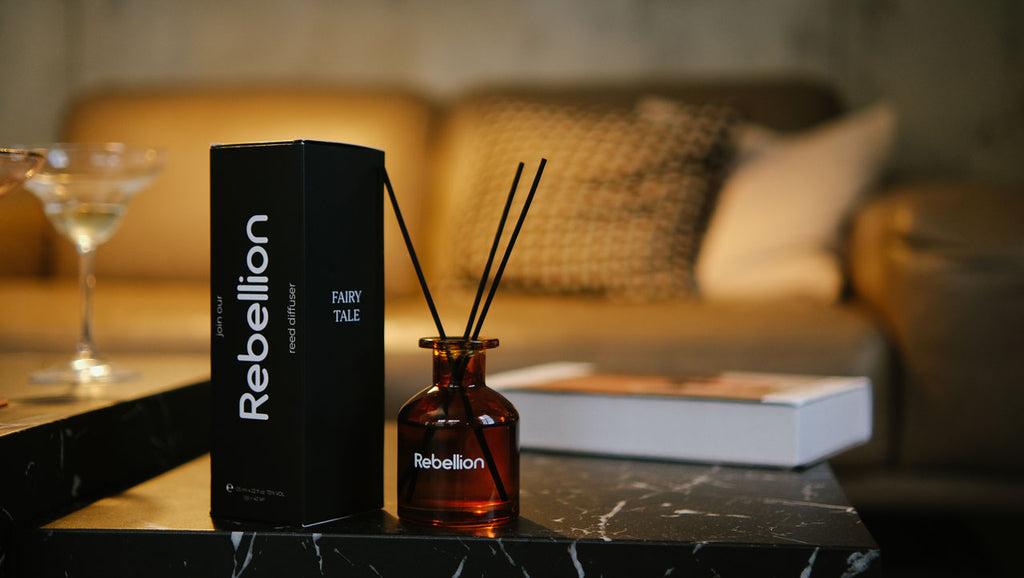
Contemporary interior perfumery has long moved beyond a purely functional role—it's a full-fledged decorative element. A minimalist diffuser bottle on a console in the hallway, a candle in matte glass on a coffee table, a stylish sachet in the wardrobe—all these details contribute to a coherent interior image, just like textiles and lighting. When choosing a format, also pay attention to the design: the scent should match the interior not only in aroma but also in appearance.
A fragrance set is one of the safest gifts: it's perfect for a housewarming, birthday, holiday, or simply as a kind gesture. If you don't know the recipient's preferences, choose universal compositions—white tea, cotton, light citrus, or delicate floral notes. Sets combining a candle and a diffuser in the same scent look luxurious—this allows the recipient to create a consistent atmosphere throughout the home.
There's also a psychological bonus: the distinctive scent of a home becomes part of its identity. Guests remember your home by its aroma just as much as by its interior, and for residents, this scent eventually becomes an anchor of peace—that very "smell of home" that you won't confuse with anything else and that you miss when traveling.
Your Ideal Home Fragrance Truly Exists
Choosing home fragrances is a journey where it's worth being guided not by trends, but by your own feelings and the needs of the space. The formula is simple: define the atmosphere you want to create in each room, choose the appropriate fragrance family, match the format to your lifestyle—and don't forget about seasonal rotation. A diffuser will provide a stable background, a candle—an evening ritual, and a spray will save the day before an unexpected visit from guests.
Most importantly, remember: your home's scent should appeal primarily to you and those who live in it. Don't be afraid to test, combine, and change compositions until you find that one—which, from the first breath, says: you're home. These are the details that turn square meters into a power place you want to return to every day.